





 Facebook
Its unique shape and texture make it a popular choice in Mediterranean and Middle Eastern cuisines, where it is often used to add a hearty, comforting element to meals.

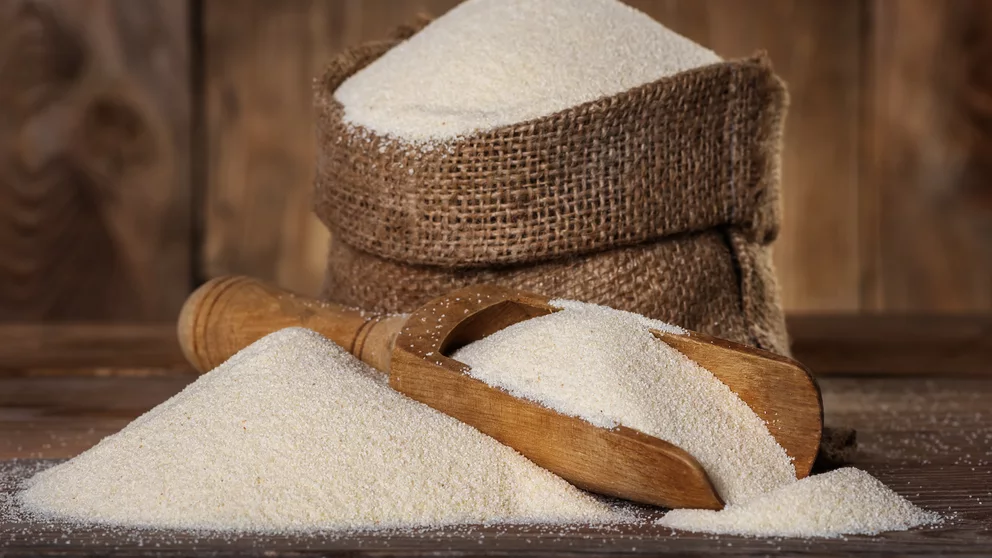
When it comes to the question of whether orzo is gluten-free, the answer is generally no. Traditional orzo is made from wheat semolina, which contains gluten. So standard orzo is not suitable for those with coeliac disease or non-coeliac gluten sensitivity. But there are gluten-free alternatives and substitutes, as we will explain.
What is orzo? What is it made of?
Orzo is a pasta that resembles rice but is made from semolina, a cereal derived from durum wheat and which is high in gluten. Orzo is traditionally made from flour but it can also be made of wholegrain semolina.
Is there gluten-free orzo pasta?
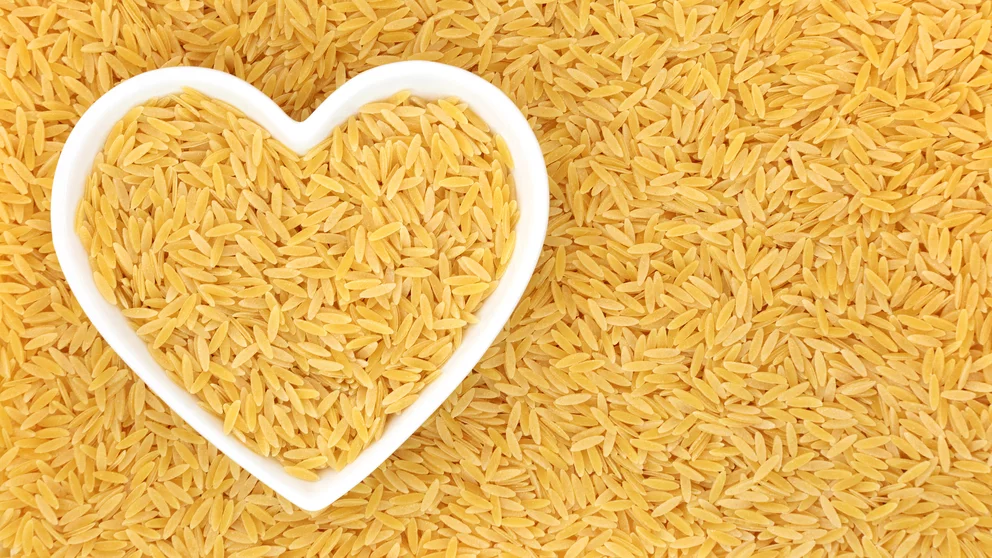
Good news for those who love orzo but need to avoid gluten: gluten-free orzo pasta is available on the market. These gluten-free versions are typically made from alternative flours, such as rice flour, cornflour or a blend of various gluten-free grains and starches. These products are specifically formulated to mimic the taste and texture of traditional orzo while being safe for gluten-sensitive individuals to consume.
Gluten-free orzo substitutes

For those looking to introduce gluten-free orzo substitutes into their diet, there are several excellent options. These alternatives not only offer a similar culinary experience but also provide various nutritional benefits. Some popular gluten-free substitutes for orzo include rice, quinoa and gluten-free pasta varieties.
Gluten-free pasta
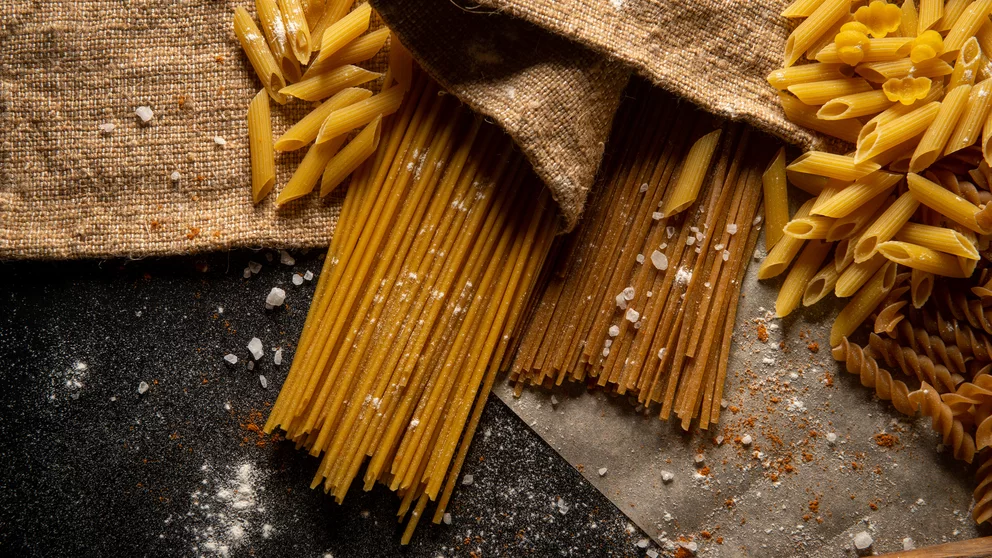
Gluten-free pasta made from ingredients such as rice, cornflour, quinoa and legumes is an excellent alternative to traditional wheat-based orzo. These pasta varieties come in various shapes and sizes, including those similar to orzo, making it easy to find a suitable replacement. They are often fortified with additional nutrients to provide a balanced diet.

Rice
Rice is another fantastic gluten-free substitute for orzo. It is a staple food in many cultures and comes in different varieties, such as white rice, brown rice and wild rice. Rice can be used in place of orzo in soups, salads and casseroles, offering a similar texture and a neutral flavour that pairs well with a wide range of ingredients.
Quinoa
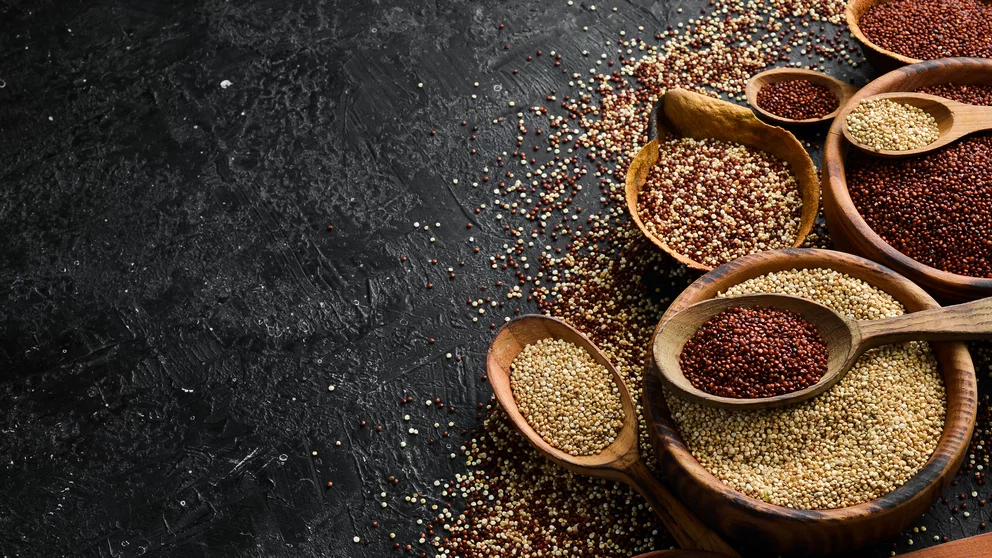
Quinoa, a nutrient-dense grain, is also an excellent substitute for orzo. It is naturally gluten-free and provides a good source of protein, fibre and essential amino acids. Quinoa's slightly nutty flavour and fluffy texture make it a versatile ingredient that can be used in various dishes, from salads to pilafs and beyond.

Gluten-free orzo
For those specifically seeking gluten-free orzo, several brands produce high-quality options made from ingredients such as rice flour and corn flour. These products are designed to offer the same cooking properties and taste as traditional orzo, allowing individuals on a gluten-free diet to enjoy their favourite recipes without compromising.

Beans or lentils
Finally, beans or lentils can serve as a nutritious and gluten-free alternative to orzo. These legumes are rich in protein, fibre and essential nutrients, making them a healthy and satisfying option. They can be used in soups, stews and salads, providing a hearty and wholesome addition to meals.
Soup addict? We've got you covered!


The perfect pastina for your comforting (Italian penicillin) soups


Other interesting articles