




 Facebook
Its ease of digestion, unique texture and allergen-friendly nature make it an appealing option for many people, particularly those with dietary restrictions. While it may not be a powerhouse of nutrients, it can still be a valuable part of a diverse and balanced diet.

What is tapioca?
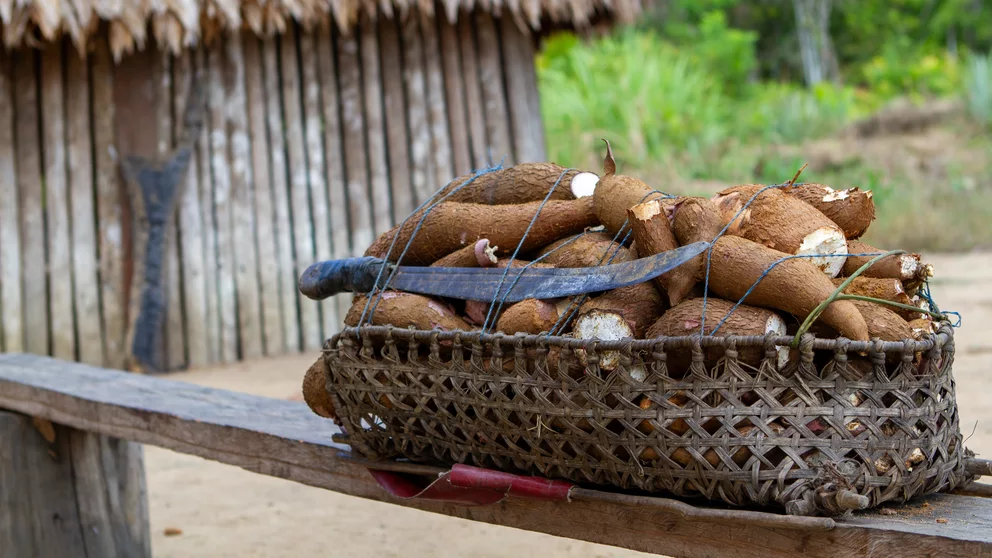
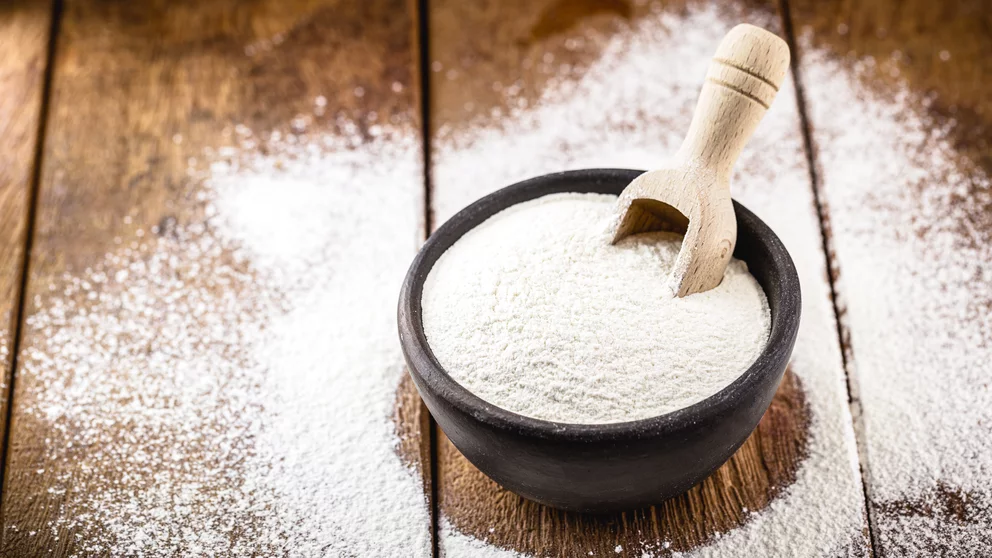
Tapioca is a starchy substance extracted from the root of the cassava plant, which is native to South America. Known for its versatility, tapioca is commonly used in cooking around the world. It comes in various forms, including pearls, flakes and flour, making it a popular ingredient in puddings, bubble tea, and as a thickening agent in cooking and baking.
Benefits of tapioca
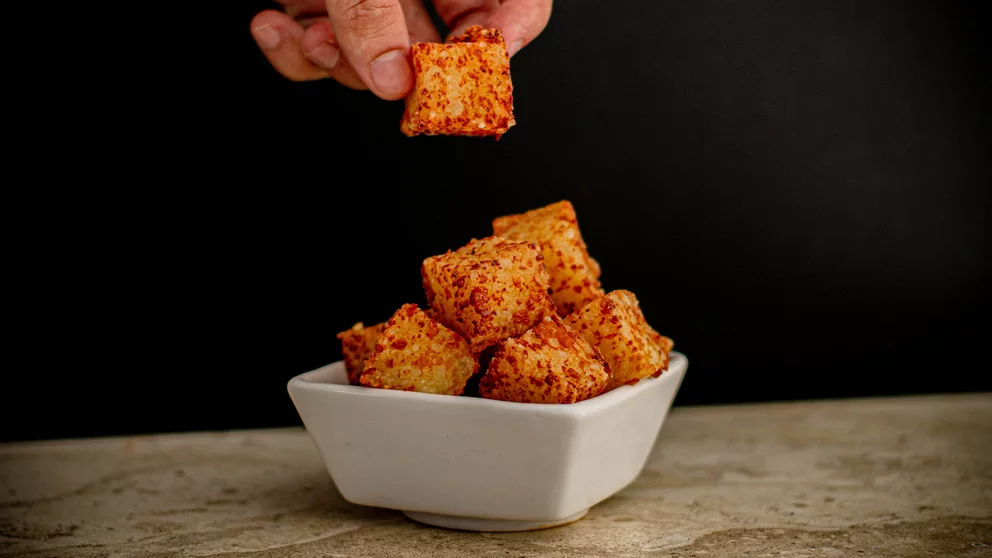
One of the primary benefits of tapioca is its gluten-free nature, making it an excellent alternative for individuals with coeliac disease or non-coeliac gluten sensitivity. Since it is derived from the cassava root, which does not contain gluten, tapioca can be safely incorporated into a gluten-free diet. Additionally, tapioca is rich in carbohydrates and calories, providing a quick and accessible source of energy. It is also low in sodium and contains virtually no fat, contributing to its appeal as a good food option.
Gluten-free
Tapioca is inherently gluten-free because it is extracted from the cassava root, which does not contain any gluten proteins. Gluten is found in grains such as wheat, barley and rye, but cassava is a root vegetable that does not fall into this category. This makes tapioca a safe choice for those who need to avoid gluten for medical reasons, such as individuals with coeliac disease, as well as those who opt for a gluten-free diet for personal or health preferences.
Nutrient content
Nutritionally, tapioca is composed mainly of carbohydrates, particularly in the form of starch. Per 100 grams, tapioca in pearl form provides approximately 358 calories, 0.62 grams of protein, 0.24 grams of fat, and about 84,90 grams of carbohydrates. While it is not a significant source of protein or fat, it offers essential minerals like calcium and iron.
Easy to digest
Tapioca is also known for being easy to digest. This makes it a suitable option for people with digestive issues or those recovering from gastrointestinal illnesses. Its smooth, starchy composition is gentle on the stomach, reducing the risk of irritation. This ease of digestion can also make it a good food choice for young children and the elderly, who may have more sensitive digestive systems.
Versatility in dishes
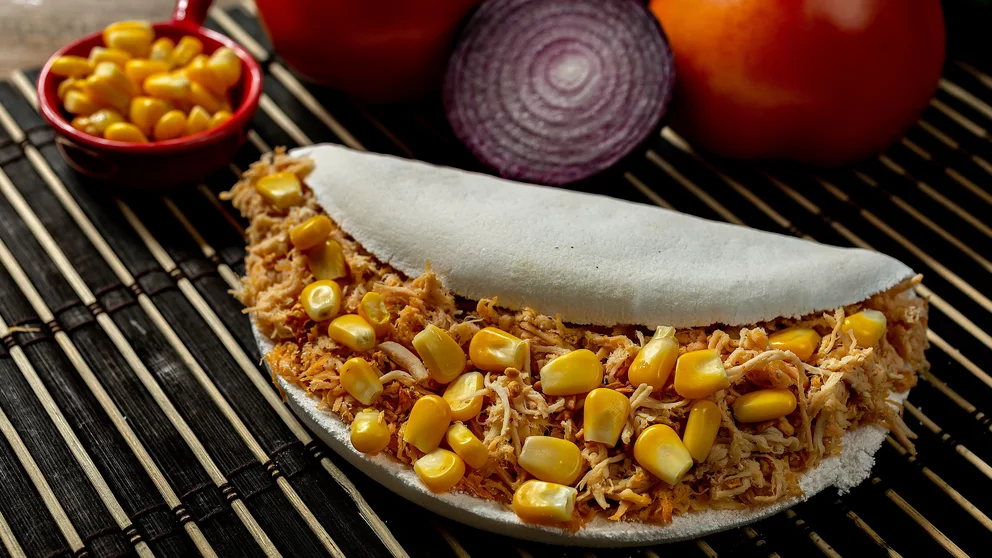
The versatility of tapioca in culinary applications is another reason for its popularity. It can be used in sweet and savoury dishes alike. In desserts, tapioca pearls are a staple in puddings and bubble tea, providing a unique, chewy texture. Tapioca, on the other hand, is one of the world’s gluten-free flours and is a valuable ingredient for gluten-free baking. In Colombia and Venezuela, tapioca flour is sometimes used to make traditional flatbreads called arepas. Tapioca is also used to thicken sauces and soups, and as a gluten-free binding agent in recipes that would traditionally use wheat flour.
Texture
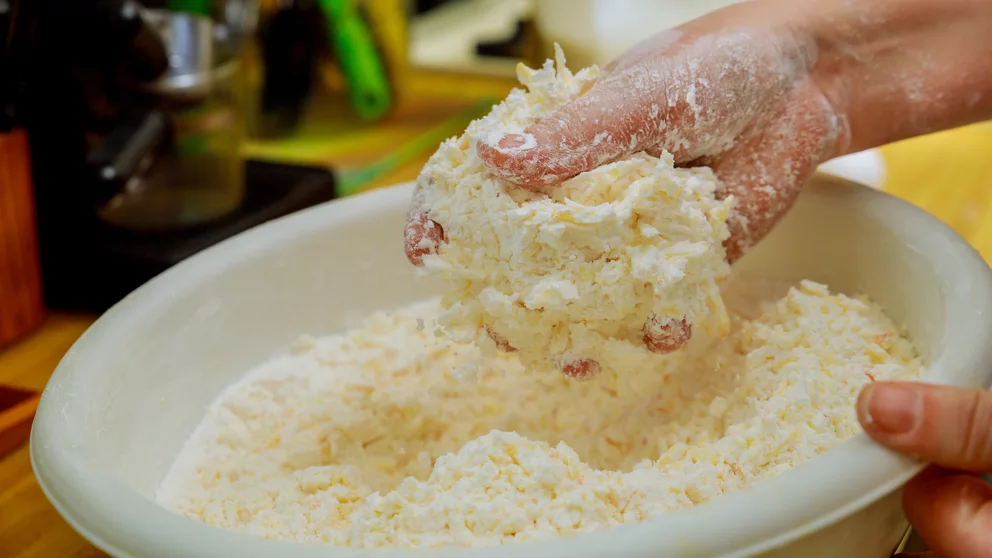
The texture of tapioca varies depending on its form and preparation method. Tapioca pearls, when cooked, become soft and chewy. Tapioca flour, meanwhile, has a fine, powdery consistency that blends smoothly into batters and doughs, providing a light, airy texture in baked goods.
Allergen-friendly
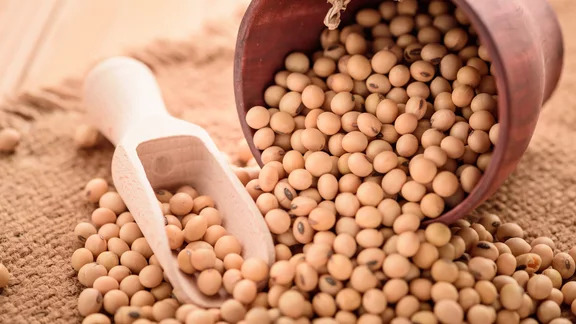
Tapioca is generally considered allergen-friendly. Aside from being gluten-free, it is also free from common allergens like nuts, dairy and soy, making it a versatile ingredient for people with various food allergies. However, it is essential to ensure that tapioca products are processed in a facility that avoids cross-contamination with allergens, particularly for individuals with severe allergies.
Tapioca: nutritional value per 100g
In terms of nutritional value per 100 grams, tapioca offers approximately 358 calories, with 88 grams of carbohydrates, 0.2 grams of protein, and 0.1 grams of fat. It is also a source of calcium and iron, providing about 20 milligrams of calcium and 1.6 milligrams of iron. Despite its high carbohydrate content, it lacks significant amounts of edible fibre, vitamins and other minerals, so it is best enjoyed as part of a balanced diet that includes a variety of nutrient-rich foods.
Our yummiest meals using tapioca


Other interesting articles