



 Facebook
The same goes for many of the products made from soya beans, such as tofu, soya bean oil and soya protein. However, there is one surprising exception. Read on to find out more…

What is soya bean?

Soya beans are edible beans derived from the soy bean plant, which originally comes from east Asia. They are used to make a wide variety of foods, including tofu, soya milk, soya flour, and soya bean oil. You can also eat young boiled or steamed soya beans on their own – known as edamame.
Nutritional facts about soya beans
Soya beans are a fantastic source of protein, containing about 18g per 100g. Unlike many plant-based protein sources they contain all nine essential amino acids (ones your body cannot make itself and so must take in from food), which makes them an especially good addition to vegetarian and vegan diets.
Soya beans are low in ‘bad’ saturated fats known to be detrimental to heart health and high in ‘good’ unsaturated fat – notably polyunsaturated fat – beneficial to heart health. They’re a good source of fibre, as well as several vitamins and minerals, including vitamin B9 (folate) and magnesium. They are also high in polyphenols called isoflavones, which are believed to offer health benefits but aren’t without controversy.
Health benefits of soya beans

Eaten in moderation as part of a balanced diet, soya beans are linked to several health benefits.
Heart health Studies show that eating soya has a small effect on lowering cholesterol levels and the risk of developing heart disease. Low in saturated fat and high in polyunsaturated fat with plenty of fibre, vitamins and minerals, soya is certainly a much better protein source for the heart and blood vessels than red meat.
Menopause Soya has often been touted as an alternative treatment for menopause. That’s because women in the Far East, where much more soya is eaten than in Western countries, report lower incidences of menopause symptoms, such as hot flashes. The theory is that isoflavones found in soya act like the hormone oestrogen, giving the body an oestrogen boost when levels are low during menopause.
But studies have yielded inconclusive results and firm evidence is lacking. Scientists think the presence of equol – a substance made when bacteria in the gut break down isoflavones – may be required to produce the beneficial effects, but not all women possess the gut bacteria needed to do this.
Cancer The isoflavones in soya may also reduce your risk of getting certain hormone-related cancers, such as breast and prostrate. But again evidence is inconclusive. Breast cancer study results seem to vary according to the age of participants, whether or not they have passed the menopause, and the type of breast cancer involved.
Meanwhile, observational studies show that the incidence of prostrate cancer is higher in the West than in Asia, where people eat more soya. What’s more, Asian people who move to the West and adopt a Western diet develop an increased prostrate cancer risk, while those who continue to eat a traditional diet had no increased risk. However, more studies are needed to confirm these findings.
Bones Another one of the potential soya bean health benefits is prevention of osteoporosis in postmenopausal women. It’s thought the isoflavones in soya bean may help reduce the risk of osteoporosis – characterised by a loss in bone mass that makes bones more likely to fracture – by helping compensate for a loss of oestrogen.
Soya bean side effects

The health benefits of soya bean are not without controversy. Some are concerned that isoflavones’ ability to mimic oestrogen may increase the risk of breast cancer or even have a feminising effect on men.
More research is needed but there is little strong evidence to support such ideas. On the contrary, eating soya may protect against breast cancer, while feminising effects have only been reported in very few individuals eating excessive quantities of soya – merely showing that eating too much of anything can have adverse effects.
The same goes for concerns that soya suppresses thyroid function in some people. Studies in humans have failed to show a significant link between eating soya and reduced thyroid function, especially among those with healthy thyroids.
But this is not say there are no downsides. Eating soya can cause allergic reactions in some people, as well as wind and diarrhoea. It may also affect the gut’s ability to absorb certain nutrients – though soaking, cooking, fermenting and sprouting soya beans reduces this effect.
Much soya also comes from genetically modified sources. While there is no evidence to suggest genetically modified crops harm human health, doubts linger about their long-term safety and more studies are needed.
Is soya sauce gluten free?

No. While most soya bean products are gluten-free, soya sauce is a surprising exception. That’s because most soya sauce is made using wheat. Thankfully gluten-free soya sauce is fairly easy to find. Opt either for certified gluten-free soya sauce – in which the wheat is replaced by rice – or tamari, a Japanese variety of soya sauce often made without wheat. See our article on soya sauce for more information.
Is soya flour gluten free?
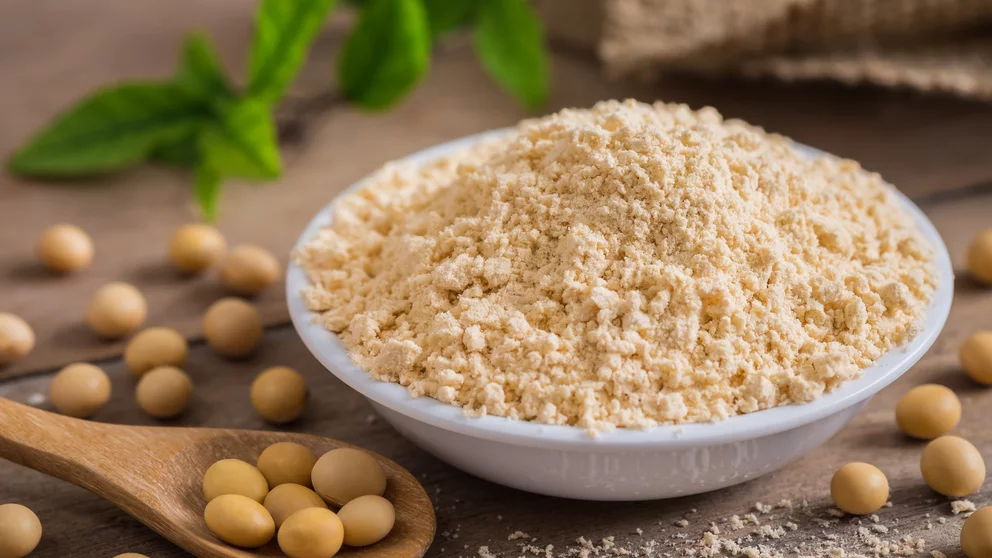
Yes, soya flour is gluten free and makes a handy alternative to wheat flour. Just make sure to choose a brand with a gluten-free certification on the label. Manufacturers sometimes process non-wheat flour on the same machinery they use for wheat products, causing cross contamination.
Is soya protein gluten free?
Yes. Soya protein is gluten free, provided no cross contamination has occurred.
How to include soya beans in your diet?
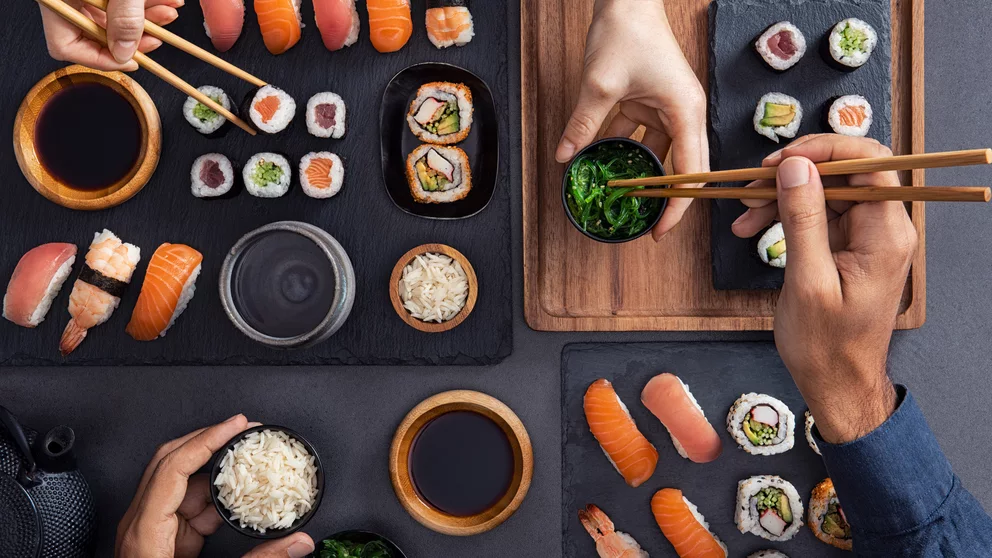
Soya bean products are readily available in supermarkets, so it’s easy to start incorporating them in your diet. Try swapping regular dairy products, such as milk and yoghurts, for soya-milk based products. Add tofu to stir-fries, dip sushi in gluten-free soya sauce or tamari, and eat steamed edamame beans. Or switch meat-based sausages and burgers for soya-based veggie versions.
Other interesting articles