



 Facebook
Herbal teas are different. These come in many types, made from all sorts of ingredients. While most of these are gluten free, not all of them will be.
Let us guide you through everything you need to know about drinking tea when you’re gluten-free.


Herbal teas are different. These come in many types, made from all sorts of ingredients. While most of these are gluten free, not all of them will be.
Let us guide you through everything you need to know about drinking tea when you’re gluten-free.
Regular tea is made from the processed leaves of the Camellia sinensis plant. The precise type of tea produced – black, green, white, oolong – depends on where and how the leaves are grown and the different ways they are processed. Tea leaves can be withered so they wilt and soften, rolled to shape them and wring out their juices, oxidised, steamed, fired and dried.
Herbal teas, on the other hand, are made from other ingredients – herbs, spices, flowers, fruits, seeds, roots – processed in a variety of different ways.

Drinking regular tea appears to be associated with better health. Many of tea’s benefits are linked to its high quantities of polyphenols: in particular substances known as catechins and epicatechins – notably epigallocatechin-3 gallate (EGCG) – found more in green tea and theaflavins and thearubigins, which are found more in black tea. Their antioxidant properties protect you from the free radicals your body churns out as it performs its everyday functions. These free radicals can cause serious harm if left to build up, damaging DNA and other key molecules, and increasing your risk of disease. Antioxidants help mop them up, defending you from their harmful effects.
Other potential health benefits of tea include a decreased risk of death from cardiovascular disease, a reduced risk of stroke and hypertension, lower blood pressure, and healthier cholesterol levels, not to mention a lower risk of developing diabetes and certain cancers. That said, study results are inconsistent and clear, concrete evidence about the benefits of tea drinking is lacking. While tea does little harm and probably has many benefits, neither will it prevent and cure every ill.

While tea drinking is likely beneficial, it does have a couple of downsides…
Caffeine Tea contains caffeine – not nearly as much as coffee, but still a significant amount. Drinking large quantities of caffeine can cause negative symptoms, including faster heart beat, headaches, tremors, anxiety and insomnia. Pregnant women need to be particularly careful about how much caffeine they consume.
Heat Studies suggest that regularly drinking scorching hot tea (over around 65°C/150°F) carries with it a raised risk of stomach and oesophageal cancer. This has nothing to do with the tea itself, simply the temperature at which you drink it. More research is required to confirm the link but you might want to let your tea cool down a bit before taking a sip.
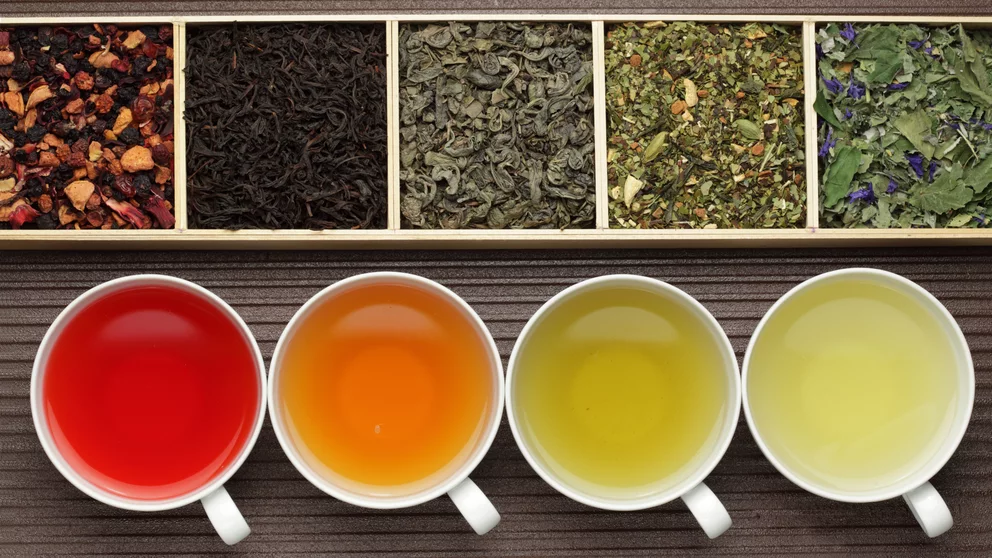
Regular tea comes in many varieties but the main difference between them is colour, which is governed by how much oxidation the leaves undergo. Darker leaves are exposed to more oxygen after picking while lighter leaves are exposed to less.
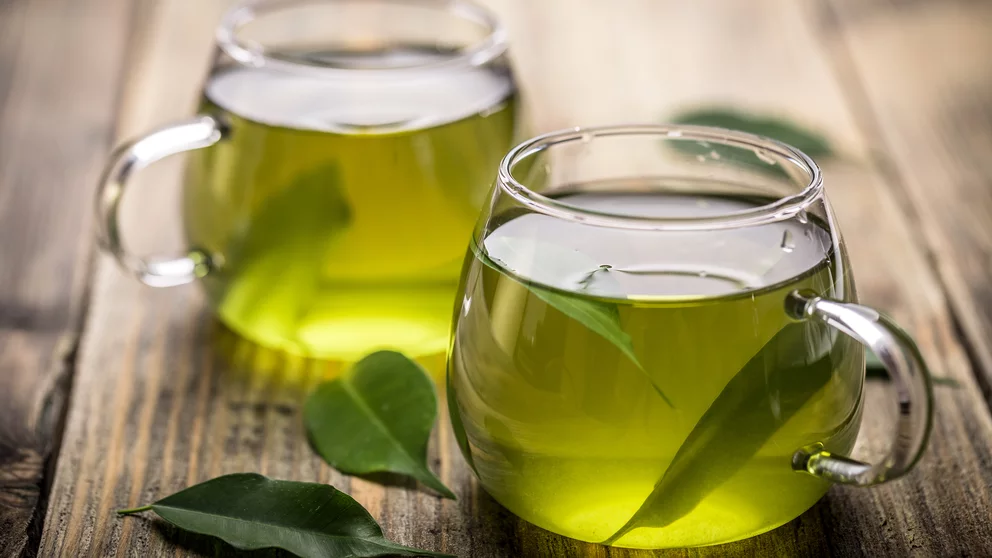
Making green tea involves steaming or pan-firing (tossing in a hot dry pan) the freshly picked leaves. The heat prevents the enzymes in the leaves from oxidising and browning them. The leaves are then rolled by hand by pressing them into the sides of the pan before receiving a final firing to dry them completely.
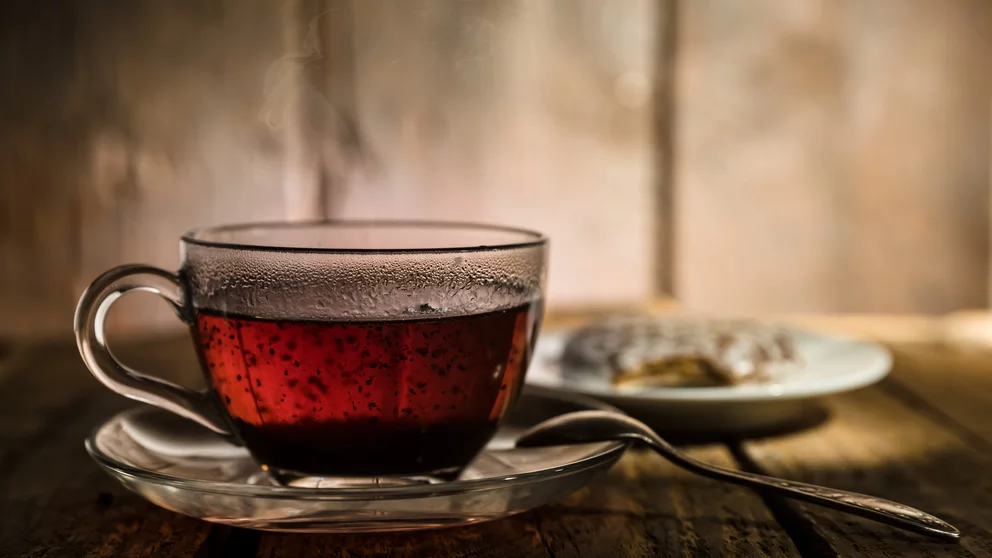
Making black teas, such as those used in English breakfast blends, involves rolling the tea leaves, which encourages them to oxidise more quickly and turn brown. This creates strong-tasting dark-brown and deep-red teas, which are often drunk with milk and sugar or used to make iced tea.
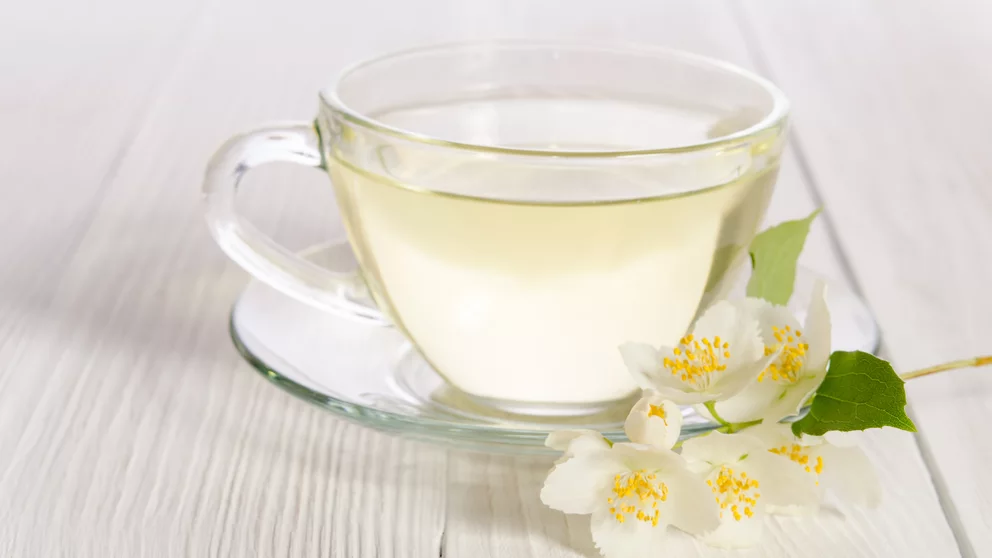
This is the least processed form of tea. The leaves are simply picked and allowed to wither until they are dry, which takes a day or two. They are not rolled or shaped in any way, meaning only minimal oxidation occurs.
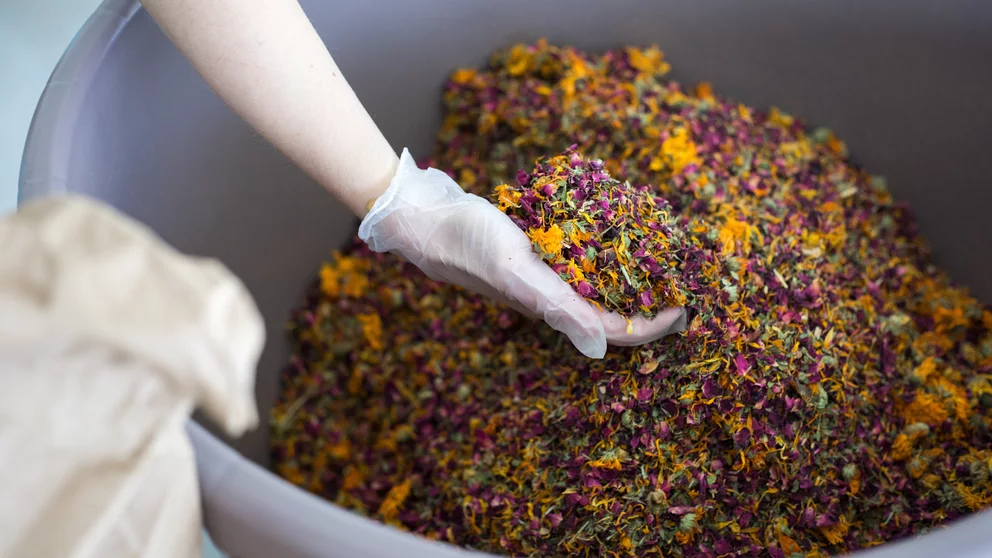
Although regular tea is completely gluten free, manufacturers sometimes process teas on equipment used to process gluten ingredients, resulting in cross contamination. Look for a gluten-free certification on the packet or check with the manufacturer if you want to be confident that no cross contamination has occurred.

The first thing to look out for when buying tea is a gluten-free certification – that way you know it’s safe to drink. If there’s no certification, check for gluten-containing ingredients and warnings about cross contamination. If ordering in a coffee shop, bar or restaurant, you’ll also want to consider the environment – is there a cross-contamination risk?
Many teas carry a gluten-free certification on the label to assure you they don’t contain gluten and no cross contamination has occurred in production. Certified gluten-free teas are always a good bet, though be aware of environmental cross-contamination risks.
Plain tea does not contain gluten, but herbal teas are made of all kinds of ingredients, from herbs and spices, to flowers, fruits, seeds and roots. Most of these will be gluten free but gluten can creep in. For example, barley malt, which contains gluten, is sometimes added as a sweetener and some herbal teas contain roasted barley. Always make sure you read the label.
Be extra careful ordering tea when you’re out and about if you’re particularly sensitive to gluten. You might even consider avoiding all tea brands unless you know they’re safe. It’s also a good idea to ask for your cup of hot water and tea bag separately to avoid cross contamination by staff, who may also be serving wheat-containing ingredients. Safer still, bring your own tea bags from home and just order a cup of hot water to dunk them in.
What better way to enjoy your cup of tea than with a delicious gluten-free biscuit? Our Cereal Bisco cookies are the perfect accompaniment to your favourite brew.
Get the gluten-free knowledge! If you liked this article, you might also be interested in our guide to drinking coffee on a gluten-free diet.
Other interesting articles