




 Facebook
So, is whey powder gluten free? Yes, in its plainest form, but some varieties contain extra ingredients such as flavourings, preservatives and stabilisers that may not be. Here we explain what to watch for.

What is whey protein made of?
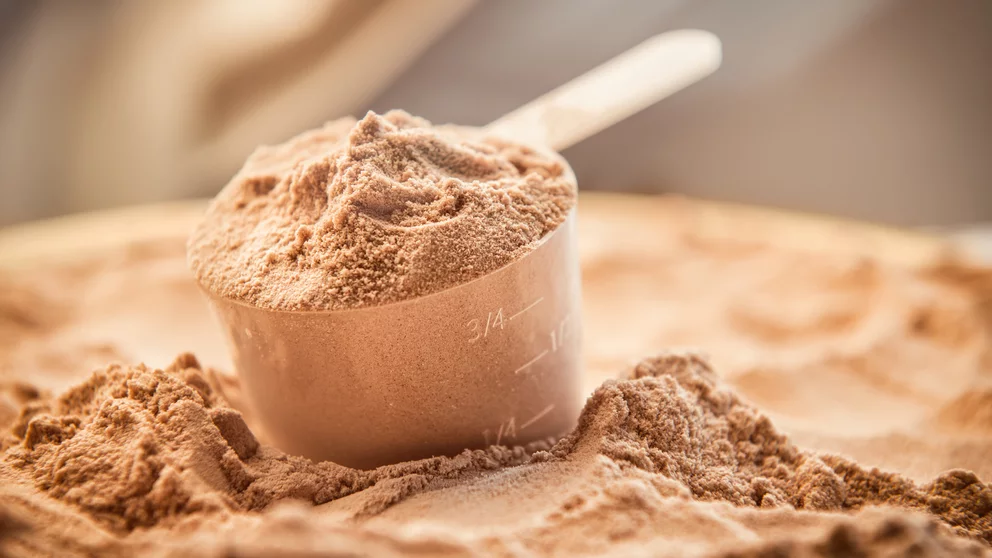
Making whey involves adding a curdling agent – such as acid or rennet – to milk to break it down into solid and liquid parts. The solid parts, known as the curds, are used to make cheese and other products, while the remaining liquid part is known as the whey. This is then processed – usually by filtering, refining and drying – to produce whey protein.
Types of whey protein
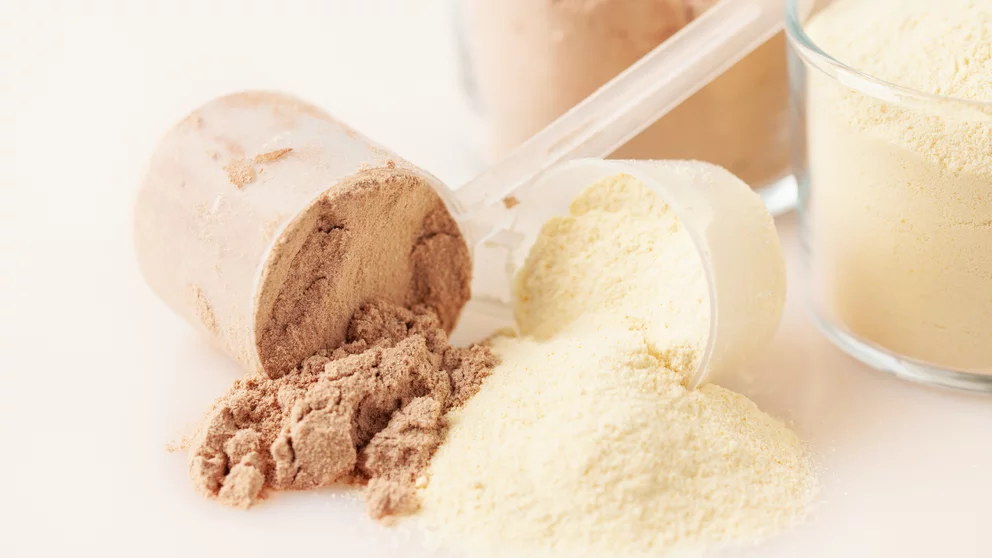
There are several types of whey protein, which vary according to how much processing they undergo, how much protein they contain, and how easy they are for the body to digest.
Whey protein concentrate (WPC)
This is the liquid whey that’s been dried into a powder. It contains about 70% to 80% protein plus nutritious fats, sugar in the form of lactose and minerals.
Whey protein isolate (WPI)
WPI is made by further processing whey protein concentrate to increase its protein content and remove fat and sugar, resulting in a product that’s about 90% protein. The extra processing raises the price, but you’ll likely need less of it to get the same amount of protein.
Whey protein hydrolysate (WPH)
This is whey protein that has been further treated – with acid, enzymes, heat or a combination of the three – to break down the bonds between amino acids and make it easier for your body to digest. That said, whey protein is already fairly easy to digest, so it’s not clear how much extra benefit this brings. The extra processing also further increases the price. WPH tends to be more bitter, meaning it can require extra flavourings and other additives to make it palatable.
Milk protein
Milk protein is a mix of whey and casein (protein from the solid curds) in similar proportions to that found in cow’s milk – about 20% whey to 80% casein. Because it is mostly casein, which takes longer to absorb by the gut, it releases proteins more gradually into the body.
Whey protein benefits

What does whey protein do? Whey protein is a convenient way of adding extra protein to your diet. Along with carbohydrates and fat, protein is one of the three macronutrients that form the bulk of what you eat. It is important for muscle repair, cellular activity, immunity and metabolism.
Whey protein is particularly useful as it contains all nine essential amino acids that your body needs to build proteins. Because the body cannot make these itself, they need be ingested in the food you eat. Whey protein is often used by athletes, bodybuilders and others looking to incorporate more protein in their diets. It is thought to provide several health benefits, including helping build muscles and strength, aiding recovery from exercise, and facilitating weight loss by boosting metabolism and reducing appetite.
Whey protein side effects

Whey protein is safe for most people to eat, but there are a few things to look out for. As it is made from milk, whey protein contains lactose, which can cause bloating, wind, stomach cramps and diarrhoea in people who are lactose intolerant. Those who suffer from kidney or liver disease should avoid ingesting too much protein as it increases the pressure on those organs. However, there is no evidence to suggest that eating too much protein harms people with healthy kidneys and livers.
Ingredients to avoid
Always check for a gluten-free certification when choosing a gluten-free protein powder – that way you know it should be safe. If you can’t see one, take a careful look at the ingredients list. Additives to watch for include: wheat flour, wheat protein/hydrolysed wheat protein, barley, rye, malt, brewer’s yeast, graham flour, modified wheat starch, modified food starch, spelt and bulgur. Also watch out for flavourings, colourings and other additives that may contain traces of gluten.
How to use whey protein

To ingest whey protein powder, you only need to mix it with a liquid such as water or milk. Shakes and smoothies are an obvious way to use it, but there are many others, such as adding it to pancake mixes and sprinkling it on your breakfast porridge.
Shakes
What are protein shakes for? Simply put, they’re perhaps the easiest way of ingesting whey protein, whether in the form of a flavoured protein shake mix or a home-made shake bolstered with a scoop of whey protein powder.
Protein pancakes
Made with Schär’s handy Mix Pancake and Waffles and nut milk, our delicious pancake recipe is not only gluten free but vegan as well. Throw in a scoop of whey powder for an added protein boost.
Smoothies
Like shakes, smoothies are another tasty way to get whey protein into your diet. Our vegan berry smoothie, made from veggie milk and yoghurt, is already jam-packed with goodness but a scoop of protein powder takes it to the next level.
Oatmeal
Oats are some of the most nutrient-dense foods around, loaded with fibre, antioxidants, vitamins and minerals for healthy hearts, digestion, organ function, skin, nails and hair. They are also naturally gluten free, though be sure to choose a brand with a gluten-free certification as oats are often affected by cross contamination during production. To get your day off to the best possible start, add a scoop of protein powder to your morning bowl of porridge for an even bigger nutrient hit. To discover more about the benefits of oats, read our article here.
Other interesting articles