Gluten is a protein that exists in the cereals wheat, barley and rye, meaning many flour-based foods such as traditional bread and pasta are unsuitable for someone with gluten intolerance.

Keep reading to find out the list of foods you should avoid if you are gluten intolerant.

Gluten intolerance

Gluten intolerance, often called non-coeliac gluten sensitivity (NCGS), is a term used to describe the condition of people who cannot tolerate gluten in their food and experience symptoms similar to those who have coeliac disease – but without the same kind of intestinal damage as occurs in coeliac cases.

When a person with NCGS eats gluten, the symptoms can include bloating, diarrhoea, constipation, stomach cramps, headaches, fatigue, joint pain and brain fog.

If you have been diagnosed as gluten intolerant, the only effective course of action is to follow a gluten free diet. Unlike those with coeliac disease, some people with NCGS are able to tolerate a small amount of gluten in their diet. It’s vital to get tested for coeliac disease before embarking on a gluten-free diet, or presuming a diagnosis of NCGS.

The best substitutes for gluten foods

Gluten is present in wheat, barley and rye, as well as many varieties and derivatives of these grains, including: spelt, kamut (Khorasan wheat), bulgar wheat, triticale, durum, einkorn, farina, faro, semolina, couscous, pearl barley and barley malt. Because of this, most breads and crackers, biscuits, cakes and other baked goods, snack bars and pastas are off limits for people with NCGS.

Some drinks, notably beer, and certain condiments such as soy sauce, also tend to contain gluten. Care must also be taken with all processed food, including processed meat such as burgers or sausages, to ensure it is gluten free.

But there are gluten free substitutes that make it possible to replace these kinds of foodstuffs and enjoy a healthy and balanced diet. A simple example is using Mexican corn tortillas to wrap food, a kind of bread that is made with corn, which is naturally gluten free.

What should I do if I eat gluten?

As anyone following a gluten free diet will know, it is very difficult to ensure that you never eat gluten by accident. When it happens, try not to feel bad about the mistake or accident, and mark it down as an experience to learn from.

There are a few things you can do to help you as you recover from being 'glutened'. You should drink plenty of water and get as much rest as you can to allow your body to get over the negative reaction. Taking a probiotic supplement may help to re-establish the balance of healthy bacteria in your gut.

Avoid eating flour

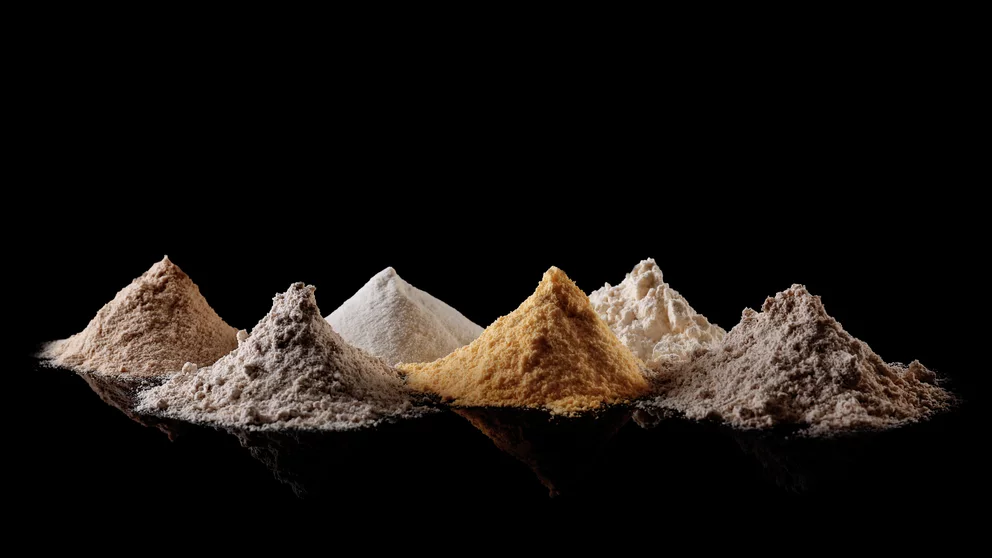
Wheat flour contains gluten and a lot of food is made with it. It is also present as an additive in many processed food products in the form of wheat starch. The many varieties of wheat flour as well as rye and barley flours must also be avoided on a gluten free diet.

There are lots alternative gluten free flours, including buckwheat,, amaranth, rice flour, sorghum and tapioca. The world of gluten free flours is hugely diverse and each kind has its characteristics and typical uses in baking and cooking. Here you can find a guide to some of the best gluten-free flours

List of types of breads you should avoid

Lots of different types of bread are made with wheat flour or some of the other gluten grains such as rye. Among the most obvious examples of bread to avoid if you are following a gluten free diet are most examples of white bread, rye bread, sourdough bread, wheat flour tortillas and wraps, bagels, flatbreads and pizza bases.

Gluten free bread alternatives include corn breads from Mexico and other parts of Latin America, and bread made with gluten free grains such as teff or buckwheat. You can also buy certified gluten free products such as Schär's best gluten free breads.

Certain condiments

Away from bread and baking, some condiments and sauces also tend to contain gluten, including soy sauce which usually contains wheat. Other condiments which can contain gluten include barbecue sauce, salad dressings, gravy mixes, marinades, malt vinegar and some ketchups.

Click here for some useful advice on how to have a gluten free barbecue.

Wheat-based pastas

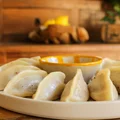
Italian pasta is made with durum wheat and contains gluten, but other cultures also make pastas with gluten-containing grains, such as noodles and dumplings in Asian cuisine. Italian potato gnocchi also contain wheat flour.

Some desserts to avoid

The pastry in a tart and the flour in a cake will contain gluten, unless it has been made with a gluten free baking mix or alternative flours.

Sugar, fruit, honey, chocolate and other sweet treats are naturally gluten free, but will often be processed and combined with gluten containing foods. So with all sweets, ice creams, other frozen desserts, smoothies, flavoured yoghurts and so on, great care should be taken to check the ingredients and source certified gluten free products.