


 Facebook
Sadly, though, most varieties are made with wheat and thus shouldn’t be consumed if you’re avoiding gluten. But that’s not to say gluten-free soya sauce doesn’t exist. Read on to discover how to get that rich umami taste on a gluten-free diet.

What is soya sauce made of?
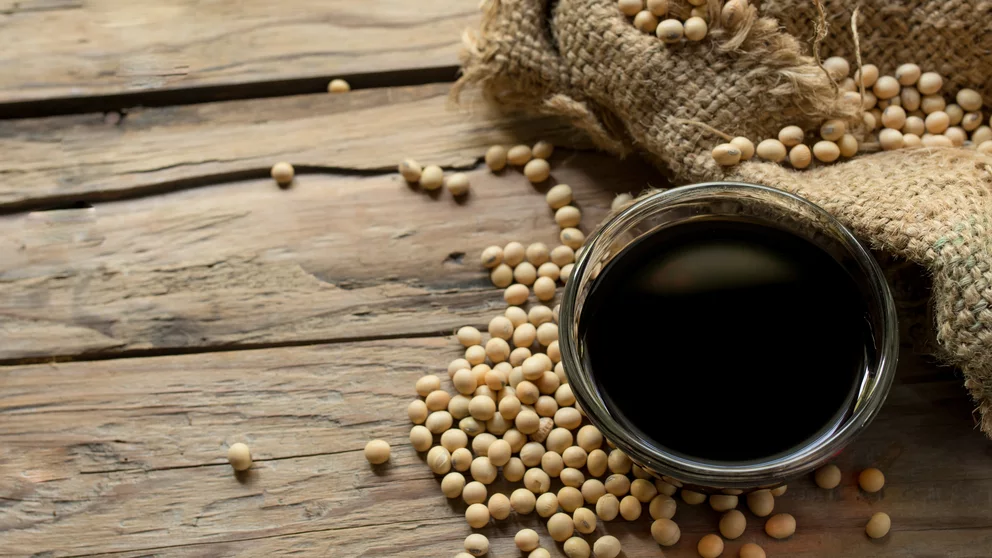
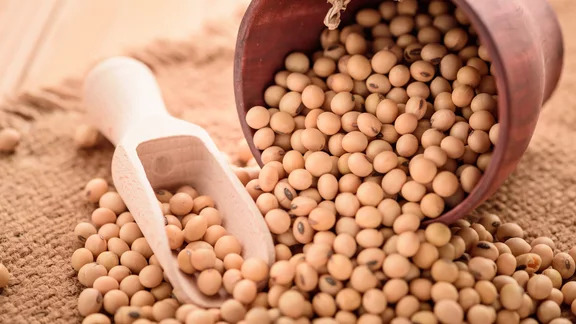
So, exactly why is soya sauce not gluten free? Perhaps surprisingly, soy sauce is not made from 100% soya beans, but is normally produced from a combination of soya beans, wheat, salt and water.
To create traditional soya sauce, soybeans are mixed with crushed wheat and a culturing mould and left to develop for a few days. After that, brine is added and the mixture is left to ferment over several months. Once aged, it is pressed to release the liquid, which is then pasteurised and bottled.
Thankfully, though, gluten-free soy sauce does exist. Some manufacturers make gluten-free soya sauce by swapping the wheat for rice, while others skip the wheat altogether, using only pure soybeans.
Soy sauce types
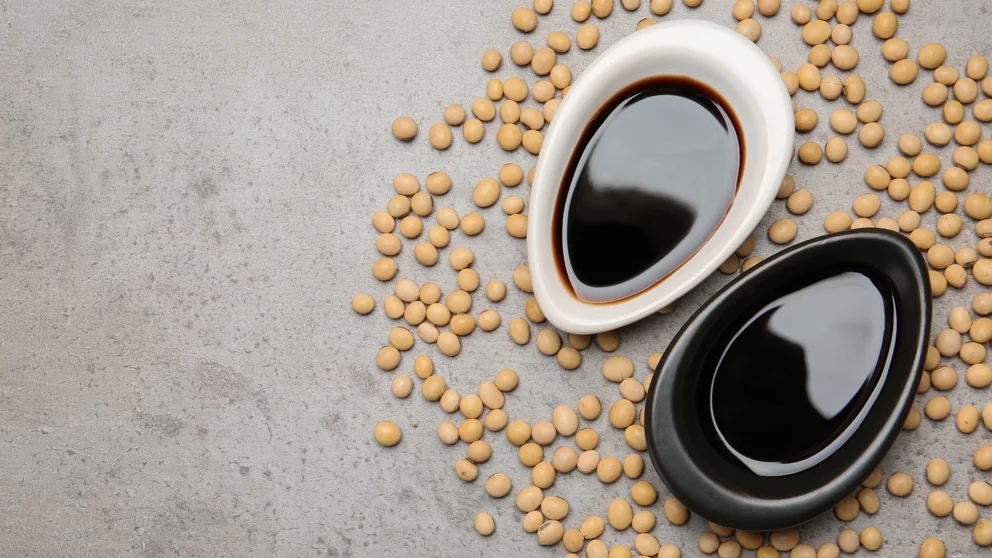
There are myriad types of soya sauce, depending on where it comes from, how it is fermented and what ingredients are used. Here we examine some of the most common.
Chinese soya sauce comes in light and dark forms, both made from soybeans and wheat. The most common type, light soya sauce is thin, salty and used as both a dipping sauce and in cooking. Dark soya sauce is fermented longer and has sugar added, making it thicker, less salty and sweeter with a more complex flavour. It tends to be used more in cooking.
Japanese soya sauces also come in light and dark types and vary according to the proportions of soybean and wheat used, and the production method. For example, light usukuchi is made from more soya beans than wheat, while lighter shiro is made from lots more wheat with just a small proportion of soya beans – coeliacs should definitely give that one a miss. Darker types include koikuchi, perhaps the most common Japanese soy sauce, and – most importantly for those on gluten-free diets – tamari, which is made without any, or with only very little, wheat (see below for more).
Another type of soy sauce is hydrolysed vegetable protein (HVP) soya sauce, a chemically made sauce created by hydrolysing, or breaking down, soy protein, then adding flavourings to create something with the appearance and taste of soya sauce.
Is tamari gluten free?
Yes! Tamari is a type of Japanese soya sauce often made using 100% soya beans, meaning it is naturally gluten-free. That said, some varieties of tamari do add small amounts of wheat, so it’s always important to check the label for a gluten-free certification or read the ingredients list for gluten products to make sure it’s safe.
Soya sauce vs tamari
What’s the difference between tamari and soya sauce? While most types of soya sauce are produced using a mixture of soya beans and wheat – or rice, to make it gluten-free – tamari is often made using 100% soya beans. This gives it a dark colour and deep flavour, and makes it a great all-round soya sauce, suitable for adding to stir fries, sauces and marinades, and for dipping.
In short, it’s a great way for those on gluten-free diets to add some serious umami flavour to their cooking!
Fancy some asian-inspired recipes?


Other interesting articles