




 Facebook
Baking soda, also known as bicarbonate of soda and by other related names (see below), is a typical ingredient of baking powder, which is used for the same purpose of leavening baked products. With baking powder, more care is needed to ensure there are no traces of gluten.

What is baking soda?
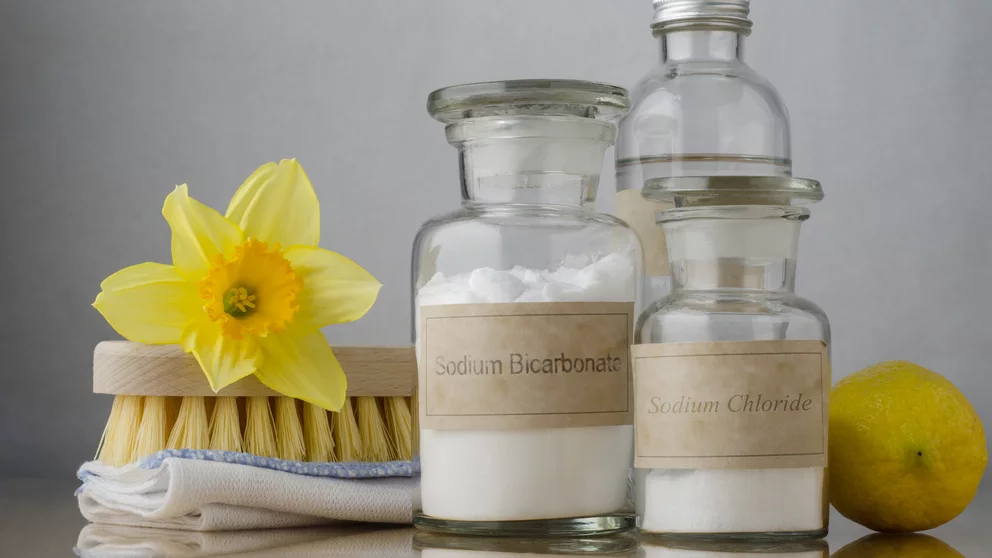
Baking soda is the chemical compound sodium bicarbonate, also referred to in different countries as sodium bicarb, bicarb soda, bicarbonate or bicarb, and bread soda or cooking soda.
Baking soda is produced chemically and from direct extraction from its mineral form, so not only does it not contain gluten as of itself, but there is generally little risk of cross-contamination from sharing production facilities with gluten-containing grains such as wheat.
Baking soda is alkali. In cooking, baking soda reacts with acid and releases carbon dioxide. These bubbles of gas cause the batter or dough to expand and develop the desired fluffy texture.
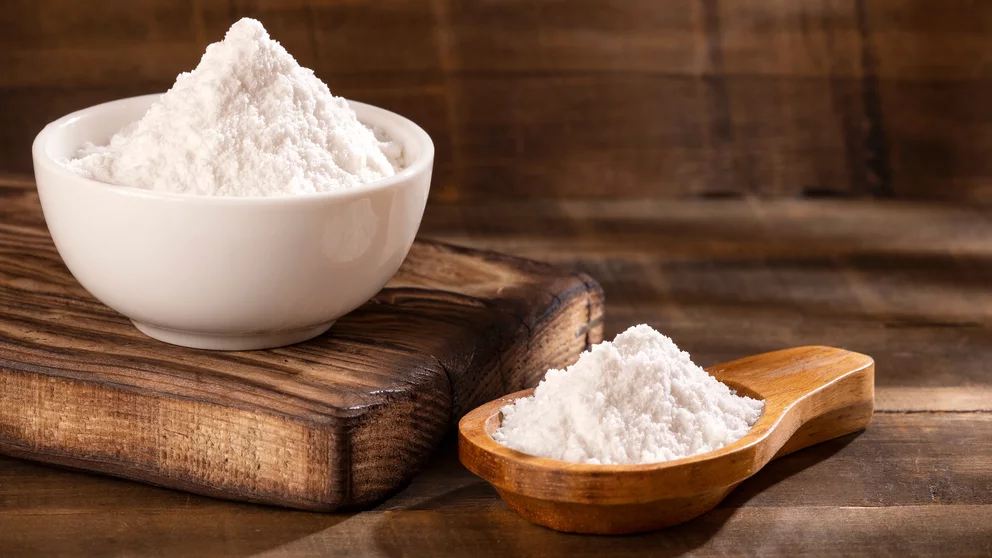
Baking powder vs. baking soda
Baking powder and baking soda can easily be confused. Both are used as leavening agents in the baking process, but baking powders have multiple ingredients, which are not always the same and could contain gluten, although this is not usually the case.
Baking powder usually contains baking soda, combining it with an acidic product, typically cream of tartar, plus a starch. The starch acts as a buffer to prevent the alkali-acid reaction from starting until liquid is added when the powder is mixed into the batter.
What do we use baking soda for?
Baking soda is used in baking as a leavening agent to make bread and cakes rise and get that light, spongey texture we love.
How to use baking soda in a gluten free diet

Baking soda is naturally gluten free and not prone to cross-contamination. You can use baking soda safely as part of gluten free baking, combining it with gluten free flours and other ingredients.
Baking soda requires the presence of an acid, such as lemon juice or vinegar, in order to produce the chemical reaction that will release carbon dioxide and cause the baking mixture or batter for frying to expand. If you use vinegar, take care to ensure it is gluten free.
How to ensure that baking powder is gluten free
The starch in baking powder is usually corn starch or potato starch, but it is not unknown for wheat starch to be used, meaning gluten could be present in baking powder.
There could also be a risk of cross-contamination between the corn, potato or rice starch used and gluten containing grains or flours, so care should be taken to check labelling and seek assurances that a baking powder is a gluten free product.
Tips for gluten free baking

Extra liquid: gluten free flour might require more water than gluten-containing flour. Add water an extra spoonful at a time to get the right texture.
Stickiness: gluten free dough can stick more strongly to your hands and utensils. It is a good idea to coat cake tins with baking paper and grease or flour your hands when working the dough.
Xanthan gum: Xanthan gum can help add elasticity to gluten free flour to help bind breads and cakes together.
Mixing flours: Adding tapioca flour can help to make your blend softer.
Extra time: Due to the extra liquid used, gluten free baked goods may take a few minutes longer than it says in the recipe.
Other interesting articles


