








 Facebook
Gluten is a protein found in grains including wheat, rye and also barley. Barley is a common ingredient used around the world in breads, breakfast cereals, stews and soups, as well as being the basis of most beers and some other alcoholic drinks.

Can coeliacs have barley?
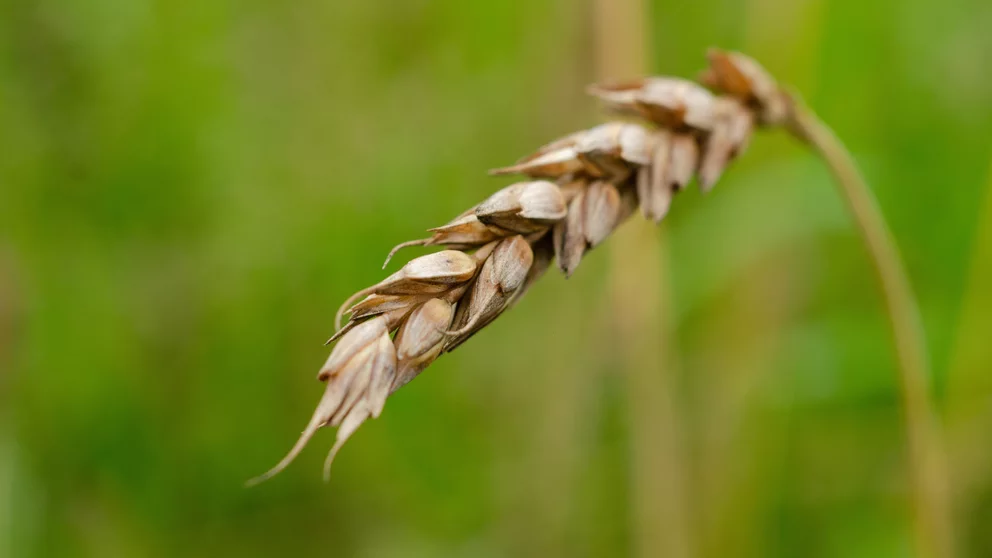
If someone has coeliac disease and eats barley, their immune system will trigger the inflammatory response which leads to intestinal damage, pain and discomfort. People with coeliac disease or a gluten intolerance must take care to avoid eating barley or other grains containing gluten to prevent health issues. Fortunately, there are gluten-free alternatives!
What is the difference between barley and wheat?
Barley and wheat are both cereal grains belonging to the grass family Poaceae. They share some similarities in appearance and even have some overlapping uses. And they both contain gluten. While wheat is notorious for its gluten, barley packs a similar punch. This is why those following a gluten-free diet need to avoid both.
Gluten-free barley substitutes
The good news is, there's a whole world of delicious gluten-free grains waiting to be explored! Here are some fantastic substitutes that can take the place of barley in your favourite recipes:

Millet
This tiny, round grain has a slightly sweet, nutty flavour and a pleasantly chewy texture. It cooks quickly (around 20 minutes) and works beautifully in soups, salads, and pilaffs. Millet is an excellent source of fibre, protein and minerals, making it a nutritious addition to your diet.
Quinoa
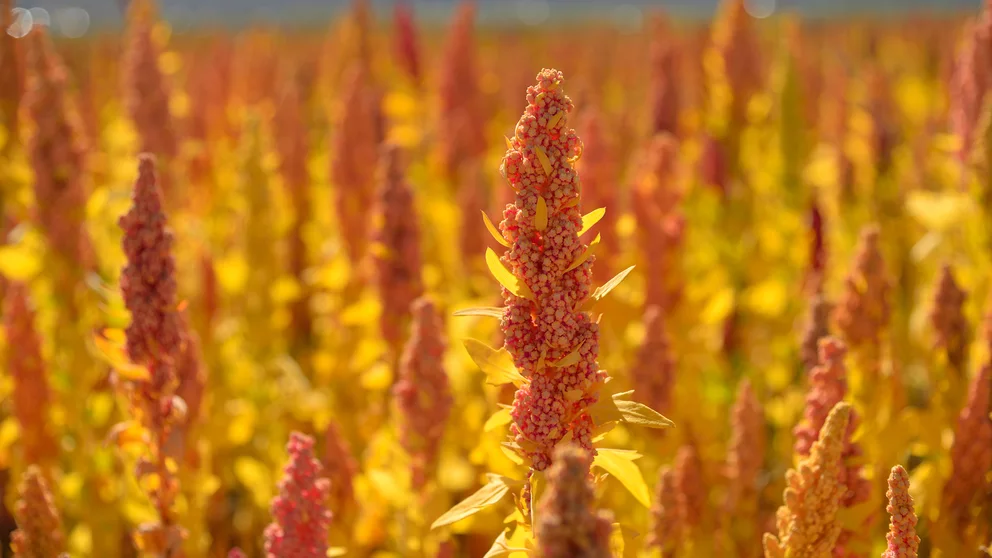
A complete protein source boasting all nine essential amino acids, quinoa is a nutritional powerhouse. This ancient grain has a fluffy texture and a mild, slightly nutty flavour. Quinoa shines in bowls, salads and stews, soaking up the flavours of your dish.
Rice
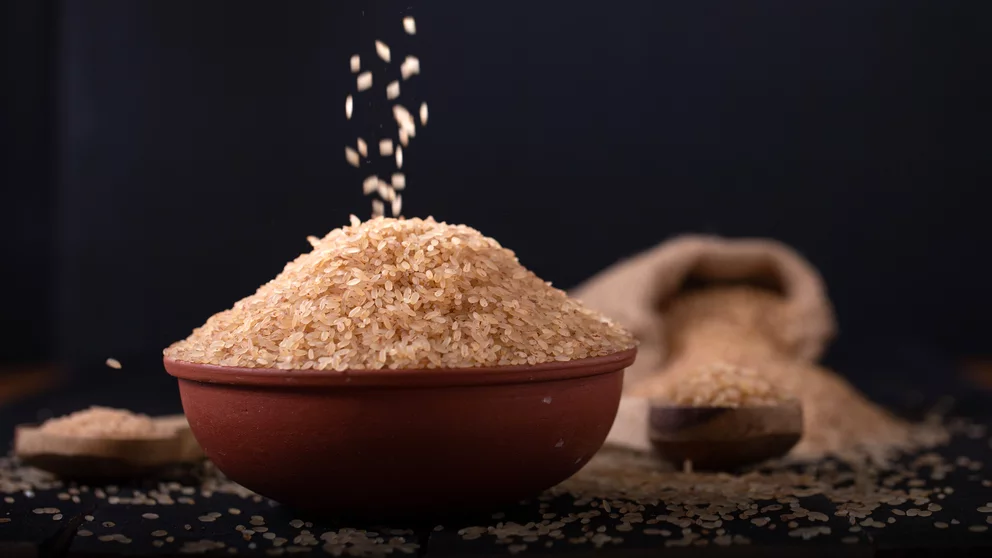
A classic and versatile option, rice comes in various forms, from long-grain to brown rice to wild rice. Each type offers a distinct texture and flavour profile. Brown rice, in particular, boasts a nutty flavour and chewy texture that can mimic barley in hearty stews and casseroles.
Buckwheat
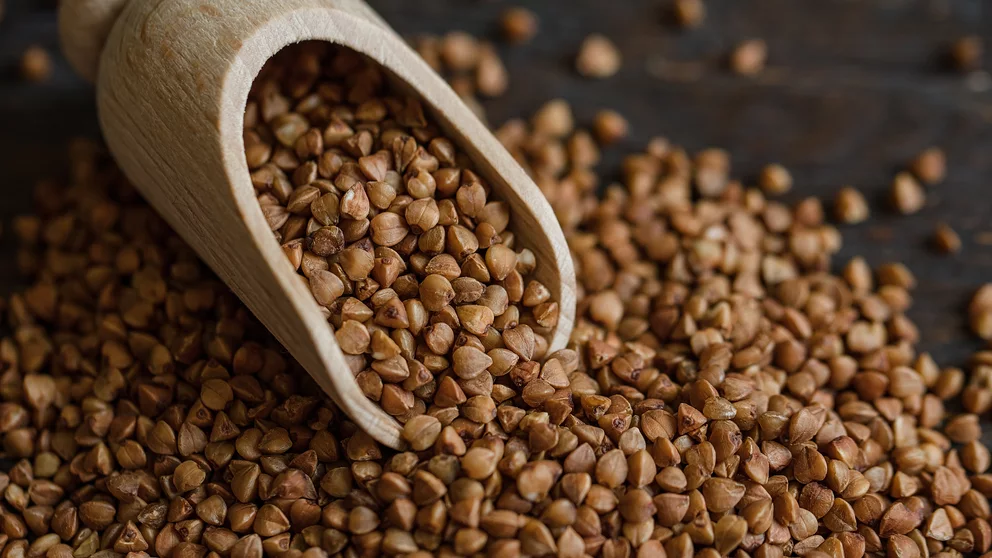
Don't be fooled by the name – buckwheat is not related to wheat at all! It's a seed related to sorrel and rhubarb, making it naturally gluten-free. Buckwheat has a slightly earthy taste and a satisfyingly chewy texture. Try it in savoury pancakes or salads. Buckwheat flour gives Russian blinis and Japanese soba noodles their famous flavours.
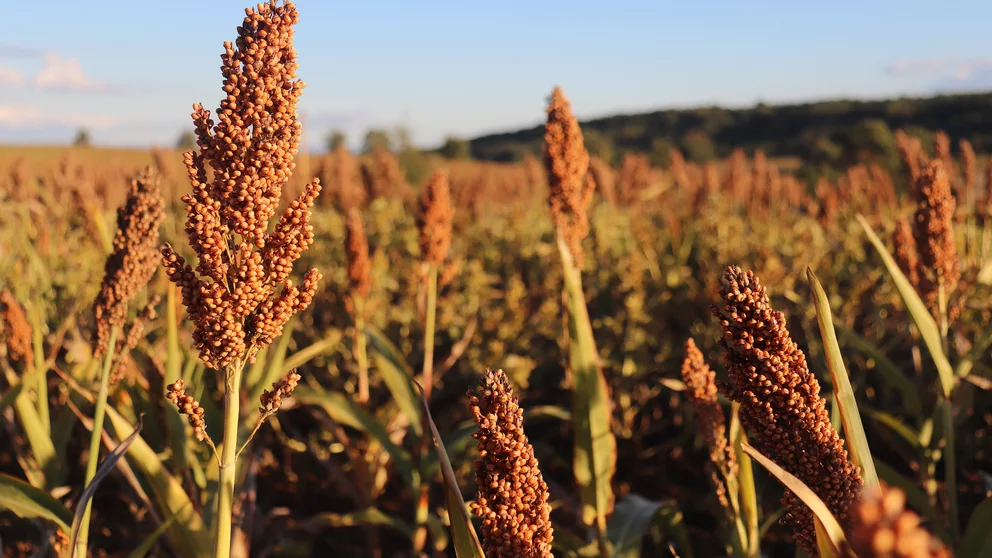
Sorghum
This ancient grain is gaining popularity due to its versatility and mild, slightly sweet flavour. Sorghum has a chewy texture similar to barley and can be cooked in a similar way. It's a perfect addition to stews, soups and grain bowls, as well as a replacement for gluten-containing flours in baking.
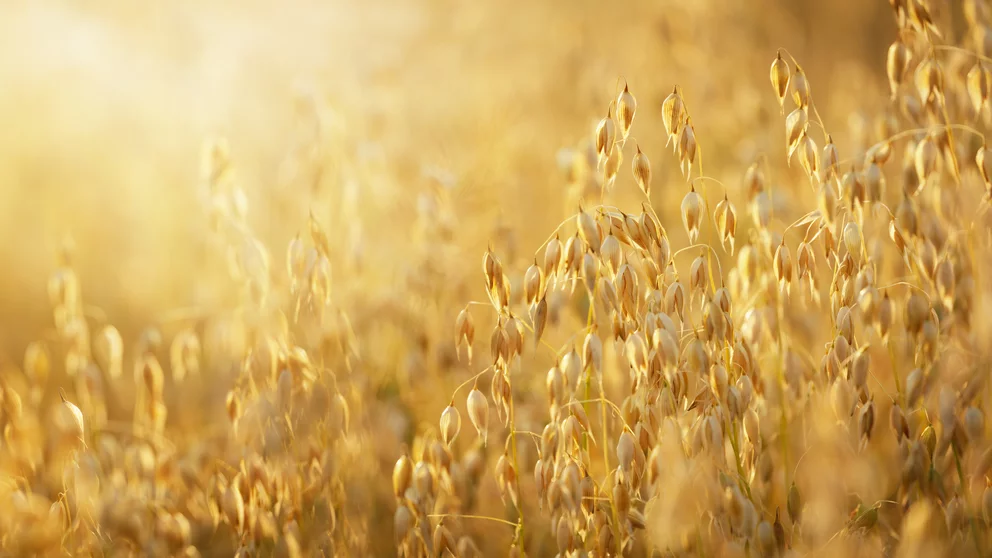
Gluten-free oats
Oats themselves are naturally gluten-free, but they are often cultivated alongside wheat fields and also processed in facilities that handle other gluten-containing grains, which can cause contamination. Look for certified gluten-free oats to ensure they're safe for your diet. As well as the classic use of oats in porridge, this cereal can also add body and flavour to stews, as well as being wonderful in sweet recipes such as a sticky, treacly flapjack.
Oats contain avenin, a protein which is similar to gluten. A very small number of people with coeliac disease may be sensitive even to gluten-free oat products.
Other interesting articles


