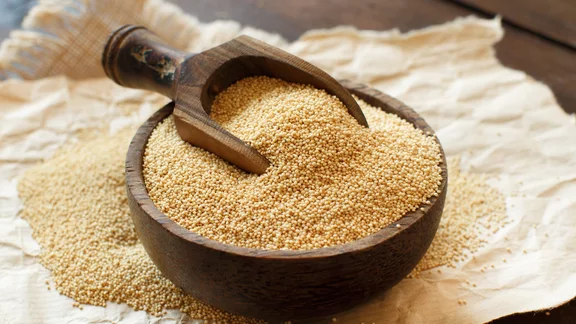



Maize is a gluten-free eater’s best friend. Whether you consume it in the form of breakfast cornflakes, barbecued corn-on-the-cob, cinema popcorn snacks, or baked goods made from cornmeal, maize is a staple in the gluten-free diet. But maize doesn’t just bring flavor; these little yellow gluten-free grains are packed with important nutrients that bring considerable health benefits too.
Read on to discover all the advantages of including maize in a gluten-free diet.
What is maize good for?
Maize is rich in starch, making it a good source of energy. It contains resistant starch, which is digested slowly. This means the energy from maize lasts longer and keeps you going throughout the day.
Maize also supports digestion. It contains valuable dietary fibre that helps food move smoothly through the digestive system and supports gut health. Another benefit: maize is high in carotenoids like lutein and zeaxanthin, which are important for eye health.
Nutritional properties of maize
Maize is packed with starch, fibre and carotenoids. It also provides many essential nutrients such as phosphorus, magnesium, potassium, vitamin C and several B vitamins. In addition, maize contains provitamin A, vitamin E, iron, manganese, selenium, sodium and zinc. Antioxidants and amino acids in maize also support healthy cell growth.
Benefits of maize flour
Maize flour (also called cornmeal or corn flour) is made from whole corn kernels. It contains all the nutrients and health benefits of the grain. Maize flour is a versatile ingredient that fits well into a balanced gluten-free diet. It’s great for baking bread, cakes or pastries. Check out our recipes for gluten-free cornbread and sweet corn buns to get started!