





 Facebook
With a fluffier crumb and a thicker, crispier crust, it’s no wonder this sourdough bread is considered a standout in the world of artisanal baking. If you haven’t yet tasted Schär’s Landbrot, you’re missing out on an unforgettable bread experience that’s as versatile as it is delicious.

Presentation of Landbrot
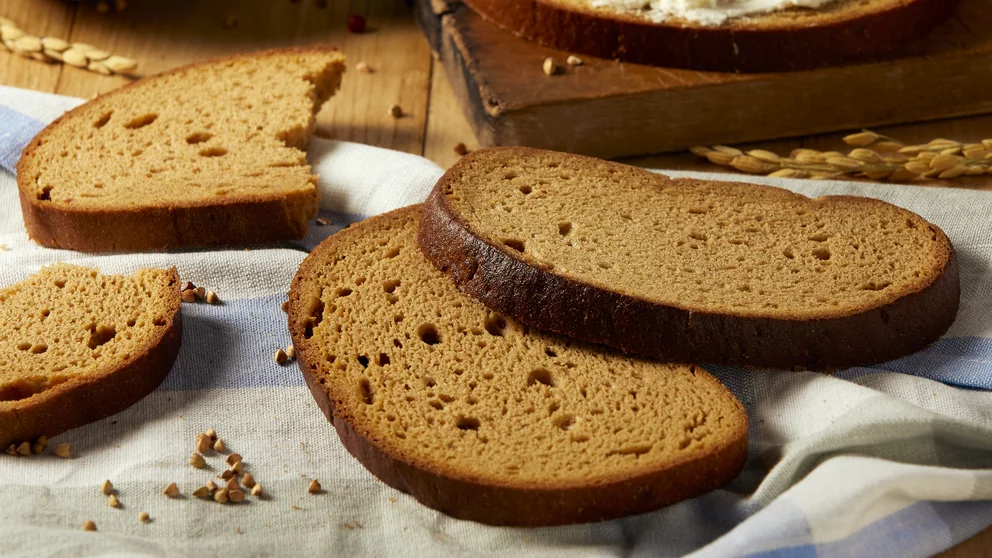
German Landbrot is a unique bread made from buckwheat flour, characterised by its golden crust and dense crumb. Its hearty texture makes it perfect for breakfast toast or sandwiches, while its nutty, earthy flavour can elevate any dish. Whether you enjoy it with a simple spread of butter and jam or use it as the base for more elaborate sandwiches, Landbrot is a versatile companion at the table.
The inclusion of buckwheat flour not only gives Landbrot its distinct taste but also makes it a powerhouse of nutrition. Buckwheat is known for being high in fibre, which helps with digestion and keeps you feeling full longer. Large slices of Landbrot provide the perfect foundation for creating consistent and satisfying sandwiches that can power you through the day.
Main features
Buckwheat, the gluten-free star ingredient of Landbrot, has a fascinating history. It originated in China over 4,000 years ago and has since become a staple in various cuisines worldwide, including Russia, where it’s used in everything from breakfast porridge to blini pancakes. Despite being commonly referred to as a grain, buckwheat is actually a pseudocereal. It’s an edible seed from the Fagopyrum plant, a relative of rhubarb, and, like quinoa, it’s considered a complete protein – containing all nine essential amino acids that the body needs.
Organoleptic properties and durability
Landbrot isn’t just nutritionally superior; it also boasts impressive organoleptic qualities. Its rich flavour profile is matched by a satisfying, slightly chewy texture. The thick crust adds a delightful crunch with each bite, while the fluffy interior remains moist, even after several days. The natural fermentation process of sourdough enhances not only the taste and texture but also the bread’s shelf life, reducing the need for artificial preservatives.
What is sourdough?
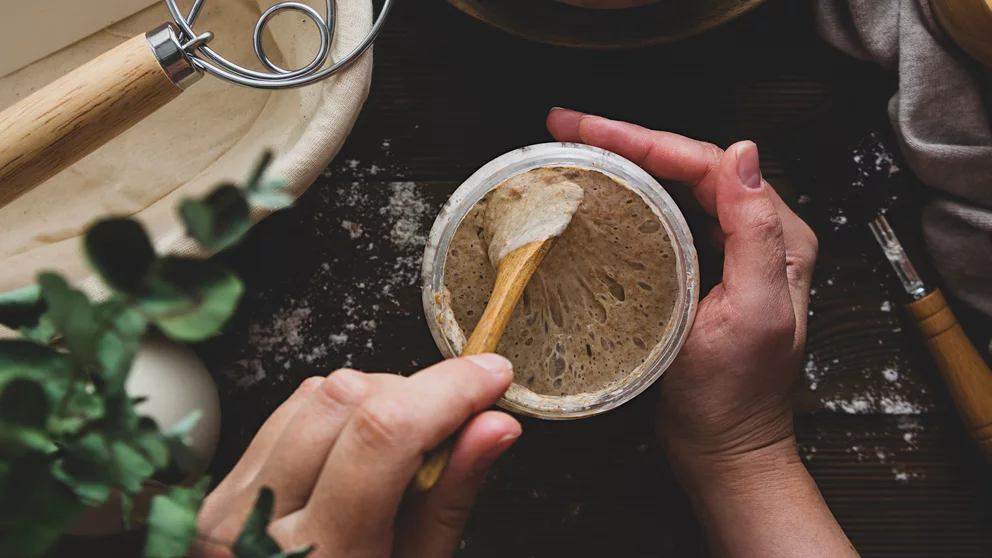
Sourdough is one of the oldest forms of breadmaking, relying on natural fermentation of dough to rise. Unlike bread made with commercial yeast, sourdough uses a ‘starter’ – a fermented mixture of flour and water that cultivates wild yeast and lactic acid bacteria. This process gives sourdough bread its signature tangy flavour and makes it easier to digest.
One of the main benefits of sourdough bread is its lower glycaemic index, which means it causes a slower rise in blood glucose levels compared to other breads.
Health benefits of sourdough bread

Sourdough bread, like Landbrot, is particularly beneficial when it comes to nutrient absorption. The lactic acid bacteria in sourdough help neutralise phytates – compounds that bind to minerals like calcium, iron and zinc, making them harder for the body to absorb – allowing the body to absorb these vital nutrients more easily. Sourdough bread is also rich in prebiotics, which are beneficial for gut health. The nutritional profile of sourdough bread varies depending on the flour used, but when made with whole grains, like in Landbrot, you can expect a healthy dose of dietary fibre, essential vitamins, and minerals. The slow fermentation process also improves the bioavailability of these nutrients, allowing your body to absorb more of them compared to other breads.

Recipes to enjoy the taste of Landbrot
Landbrot can be used and enjoyed in a host of ways. Of course, it is great toasted, giving rise to simple snack ideas such as this recipe with vegetable crème as a spread, or more elaborate toast-based dishes like this crispy and tasty finger food recipe. More surprising is that you can use your Schär Landbrot as a gluten-free alternative to flour in this pancake recipe, and for dipping into a delicious cheese fondue! Bon appétit!


Also try our other super breads


Other interesting articles