


 Facebook
However, not all chocolate products are guaranteed to be gluten-free due to potential cross-contamination and the addition of gluten-containing ingredients during processing.

What is chocolate and how is it made?
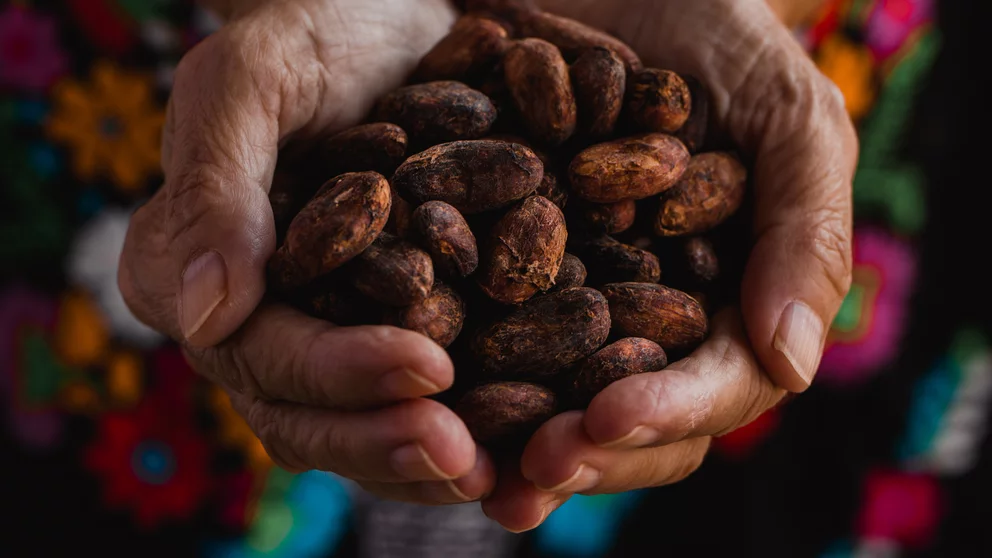
Chocolate is made from cacao beans, which are harvested from the cacao tree. The process begins with fermenting and drying the beans – traditionally done in the sun on a wooden floor. The beans are then roasted to develop their flavour. After roasting, the beans are cracked and winnowed to remove the shells, leaving behind the cacao nibs. These nibs are ground into a liquid called chocolate liquor. The chocolate liquor can be further processed into cocoa solids and cocoa butter, the primary components of chocolate. Depending on the type of chocolate being made — dark, milk, or white — various combinations of cocoa solids, cocoa butter, milk solids and sugar are blended together.
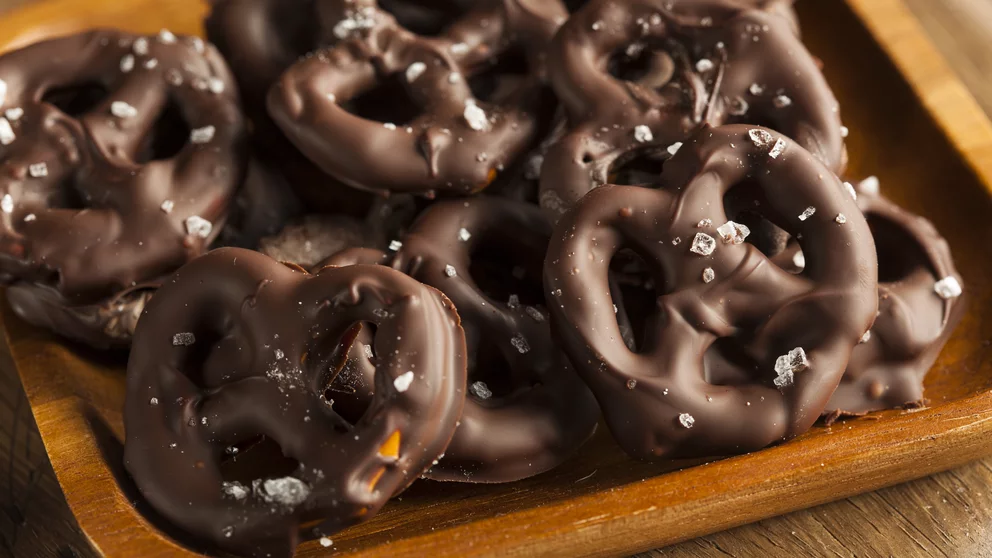
Why isn't all chocolate gluten-free?
While the base ingredients of chocolate are gluten-free, the manufacturing process can introduce gluten. This can happen through cross-contamination in factories that also produce other products that contain gluten, or because of added ingredients.
Think of the biscuit in a Twix, for example; it is made using wheat flour. Similarly, chocolate-covered pretzels tend to contain gluten. Toblerone, however, is gluten-free as almonds and honey are naturally gluten-free. Many chocolate products contain added ingredients containing gluten, such as malt, a barley derivative, so it is always important to read labels carefully. Some products may change their ingredients and processes.
Look for certifications or specific statements on packaging indicating that the product is gluten-free. The safest option is to choose chocolate that is specifically labelled as gluten-free.
Different types of chocolate
All chocolate comes from cacao beans, but it can be transformed into a bunch of varied and delicious forms and products. Here are some of the main examples:

Milk chocolate
Milk chocolate is a beloved variety that combines cocoa solids, cocoa butter, sugar and milk solids. Its creamy texture and sweet flavour make it a popular choice for snacking. The addition of milk gives milk chocolate a lighter colour and a smooth, melt-in-your-mouth quality. It typically contains around 10-50% cocoa solids, less than darker varieties.
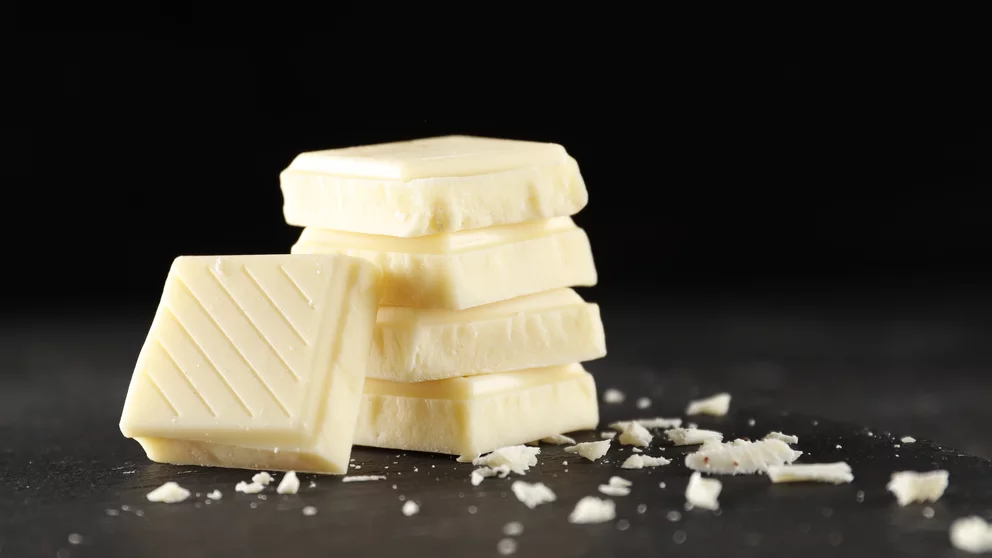
White chocolate
White chocolate is made from cocoa butter, sugar and milk solids, but it lacks cocoa solids, giving it its characteristic ivory colour. The absence of cocoa solids also means it doesn’t have the traditional chocolate flavour; instead, it has a sweet and creamy taste. White chocolate is often used in confections and desserts where a sweeter, buttery taste is desired.

Dark chocolate
Dark chocolate is known for its rich and intense flavour, as it contains a higher percentage of cocoa solids and generally less sugar compared to milk chocolate. Its high cocoa content – typically between 50% and 90% – gives dark chocolate its deep, robust flavour and a drier texture than milk or white chocolate. Melted fondant de chocolate is great for dessert-making. Dark chocolate is often favoured for its potential health benefits, including antioxidants and lower sugar content.
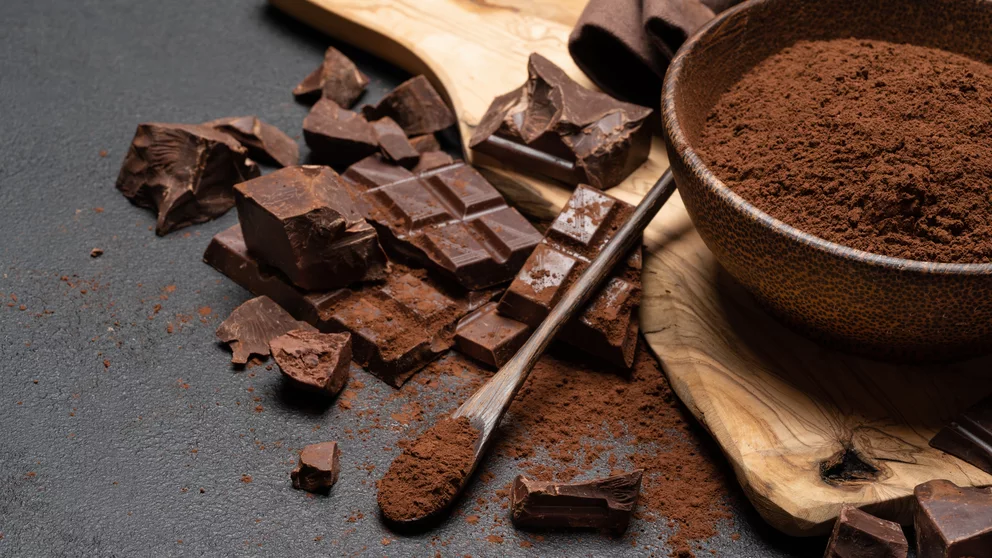
Cocoa powder
Cocoa powder is a versatile product made by grinding cocoa beans and removing most of the cocoa butter. The result is a fine, bitter powder that’s packed with cocoa solids. Cocoa powder is essential for making hot chocolate, desserts, and various baked goods.
Cross-contamination risks
Shared equipment and facilities can lead to cross-contamination. For example, a facility that makes cookies or wafers may also produce chocolate bars, leading to traces of gluten in the chocolate. The same problem can arise in a home kitchen if someone is preparing gluten-free food in the same space and sharing utensils with another cook who is not concerned about food containing gluten.
Alternative chocolate choices

For those seeking alternatives to chocolate, carob is a popular option. Derived from the carob tree, it has a naturally sweet, mild flavour and is caffeine-free. Another alternative is cocoa butter, which provides a similar texture without the cocoa solids, useful in baking and confectionery. For a fruity twist, try using dried fruits like dates or figs, which offer natural sweetness and chewiness.
Sweet tooth temptations


Other interesting articles