

 Facebook
This has obvious implications when it comes to buying or baking bread, eating traditional pasta, drinking beer and other foods and drinks. But because wheat and barley in particular have so many derivative products, gluten pops up in some surprising places. Also, processed food often contains wheat flour or other gluten-containing elements, even when it is far from obvious.

What makes gluten identification challenging at times?

Identifying gluten in foods can be challenging due to complex labelling and production practices. In the US, FDA-compliant labels must specify “wheat”, but there's no requirement to label as allergens barley or rye, which also contain gluten. Additionally, processed foods and imported products can have hidden gluten, often in unexpected items like salad dressings or specialty flavours. Language barriers on labels further complicate matters. Cross-contact during farming, storage, or manufacturing adds another layer of risk, making it crucial to scrutinise labels meticulously to avoid consuming gluten unknowingly.
All packaged foods in the UK and the EU are covered by labelling laws which include rules around the allergen information that has to be provided on the label. This means that you can tell from the label whether a product contains ingredients that contain gluten.
List of surprising things that may contain gluten
This list is by no means exhaustive, but it should give you an idea about how gluten can be lurking in places you would not have expected to find it.

1. French fries and chips
Potatoes are naturally gluten-free. However, French fries are sometimes cooked to be extra crunchy by being lightly battered, often with a wheat flour mix. French fries that are seasoned or that come with a sauce may also contain hidden gluten. It is important to check the labelling on frozen French fries and take care with packet chips, which sometimes contain wheat starch or flavourings containing wheat or barley.
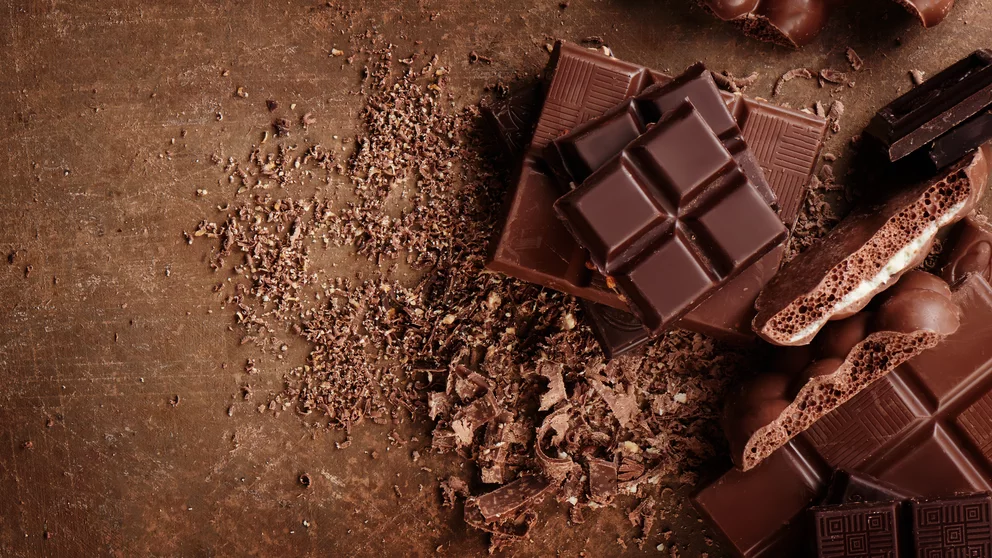
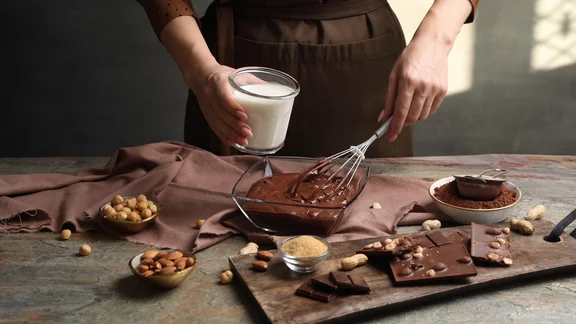
2. Chocolate
Although in principle chocolate is free of gluten, some chocolate bars or other choco products can contain additives that are not OK.
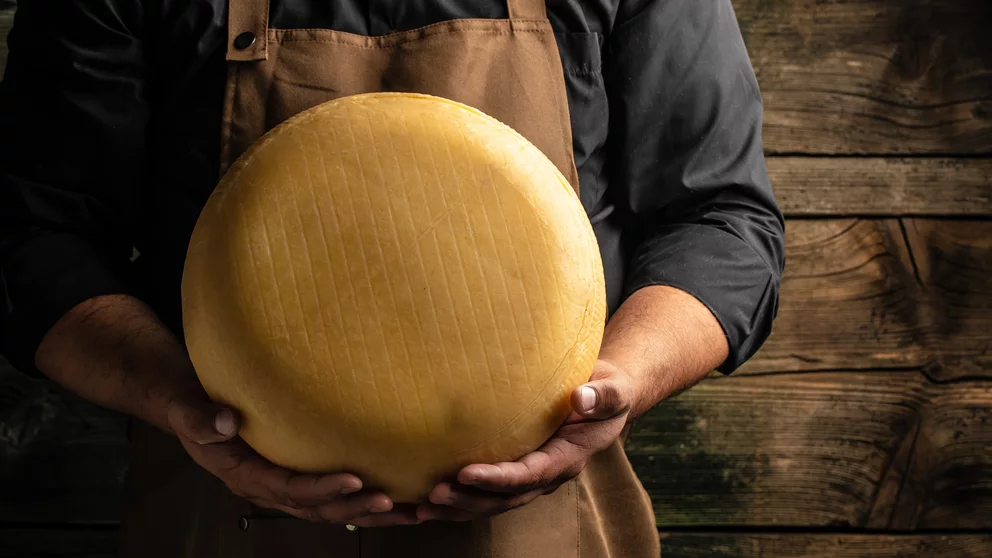
3. Cheese
While generally safe as a dairy product and without gluten, some cheeses have added flavours or other ingredients that could contain gluten. There are cheeses that are soaked in beer. Blue cheese may be produced with mould spores grown on bread or cultures that contain gluten. However, recent research suggests that the gluten levels even in such cases are extremely low.
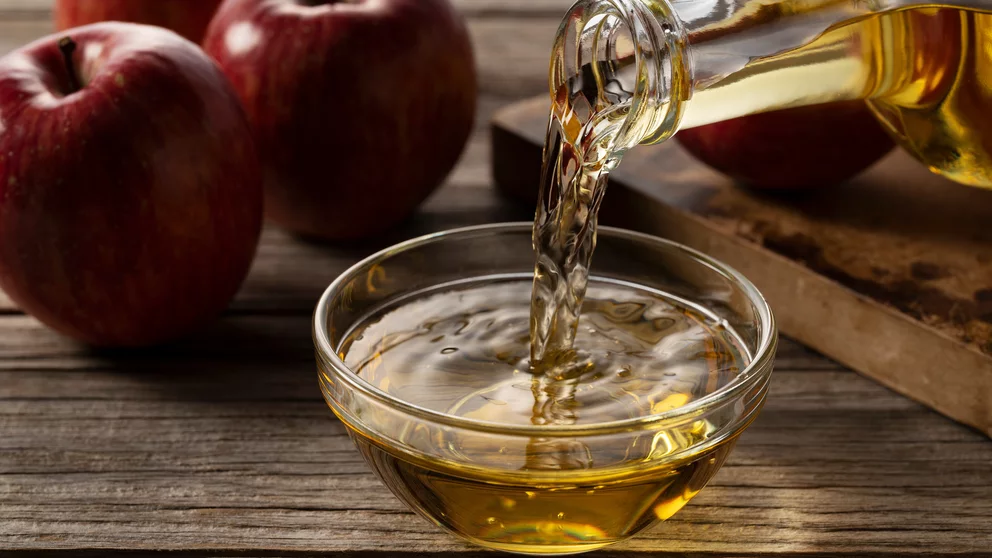
4. Vinegar
Take care with fermented vinegars. Malt vinegar is fermented and made from barley, while Chinese black vinegar could be made using wheat as well as rice. Pure distilled vinegars are gluten-free, even if made from gluten-containing grains.
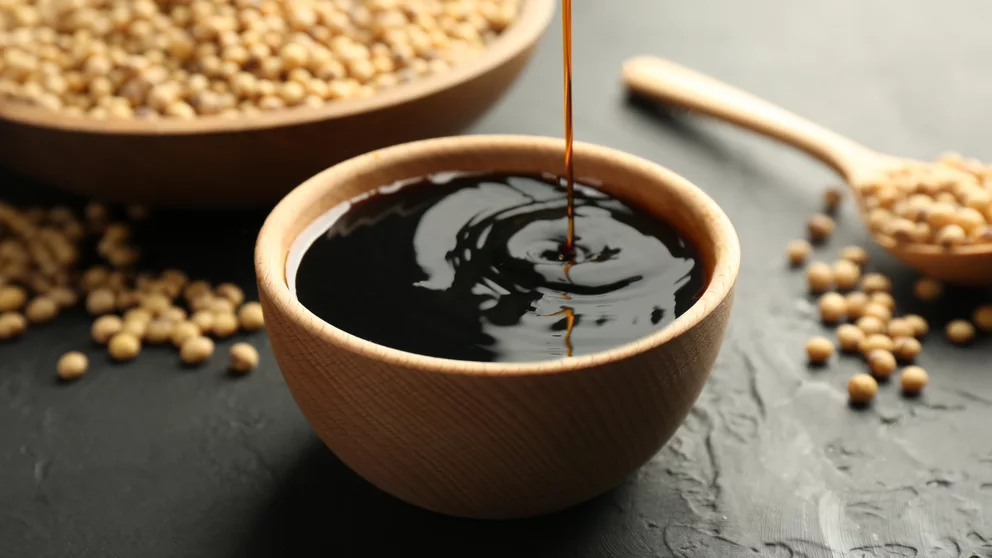
5. Soy sauce
Soy sauce is not-gluten free as it is made with wheat. Look out for gluten-free brands or alternatives such as tamari soy sauce!
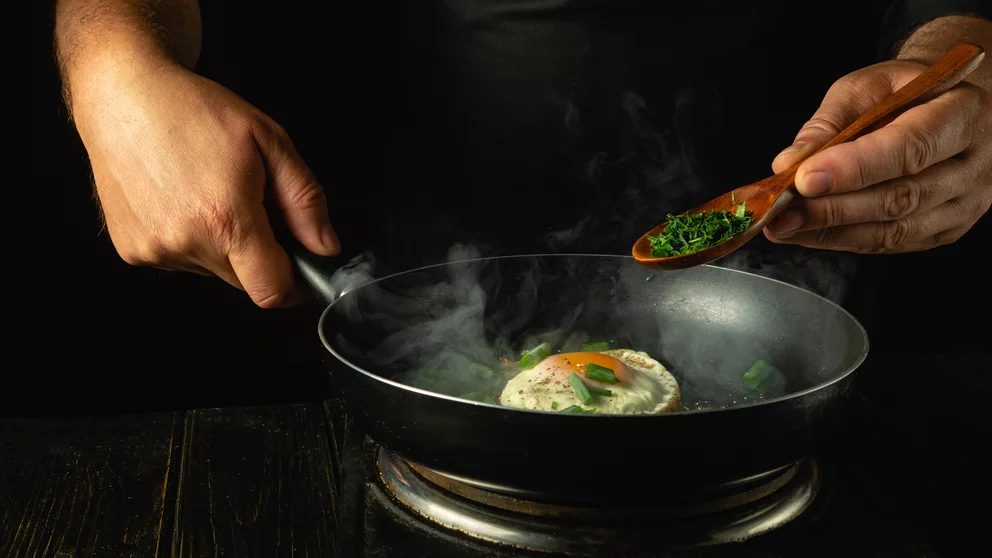
6. Restaurant eggs
Eggs are naturally gluten-free and their natural packaging inside a shell makes them very safe from cross-contamination! But be careful when ordering eggs outside the home. Some restaurant cooks add pancake batter to their scrambled egg and omelette mixtures to increase fluffiness and sweetness. For this reason, it is useful to tell restaurant staff about your gluten intolerance or coeliac disease.

7. Meatless food
Vegetarian alternatives to meat can contain gluten. For example, seitan is made of wheat gluten. In general, care needs to be taken with meat-alternative products such as imitation bacon as they may contain gluten.

8. Processed food
If you are following a strict gluten-free diet, you must check labelling carefully on all processed food due to the common use of wheat starch and other gluten-containing products and additives in food processing. For example, deli meats, which are processed products. Some deli meat cuts contain dextrin or modified food starch derived from wheat, or they may have added soy sauce to boost flavour.

9. Sauces and gravies
Many bottled sauces contain modified food starch, sometimes containing wheat, as a thickener, emulsifier or as an anti-caking agent. Sauces, marinades and salad dressings can also include malt vinegar or soy sauce among their ingredients. Gravies too often have gluten-containing flour or starchy thickening ingredients.
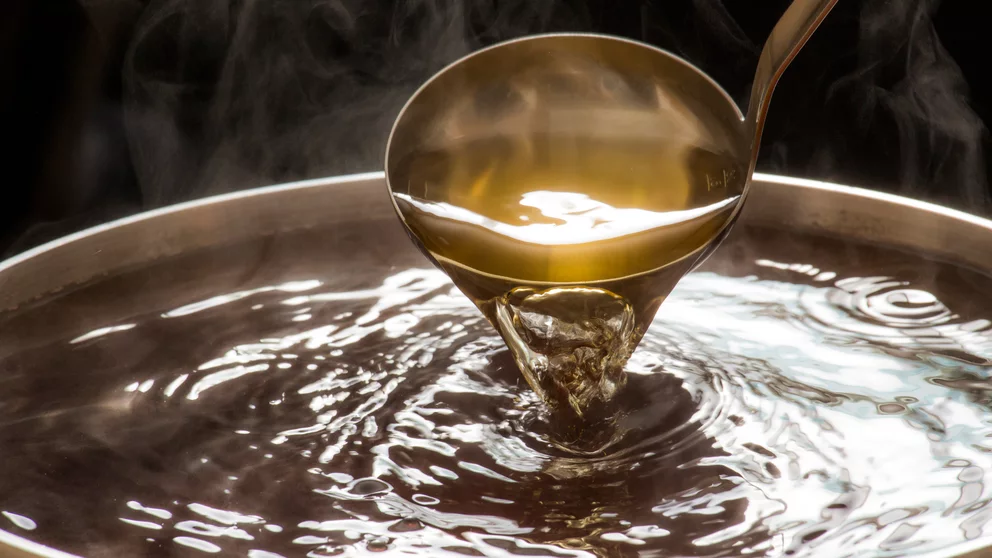
10. Broth
Some powdered or packaged broths can contain gluten, possibly in the form of yeast extract derived from barley. Some such products may also contain hydrolysed wheat protein.
Other interesting articles