




What is vegetable oil?

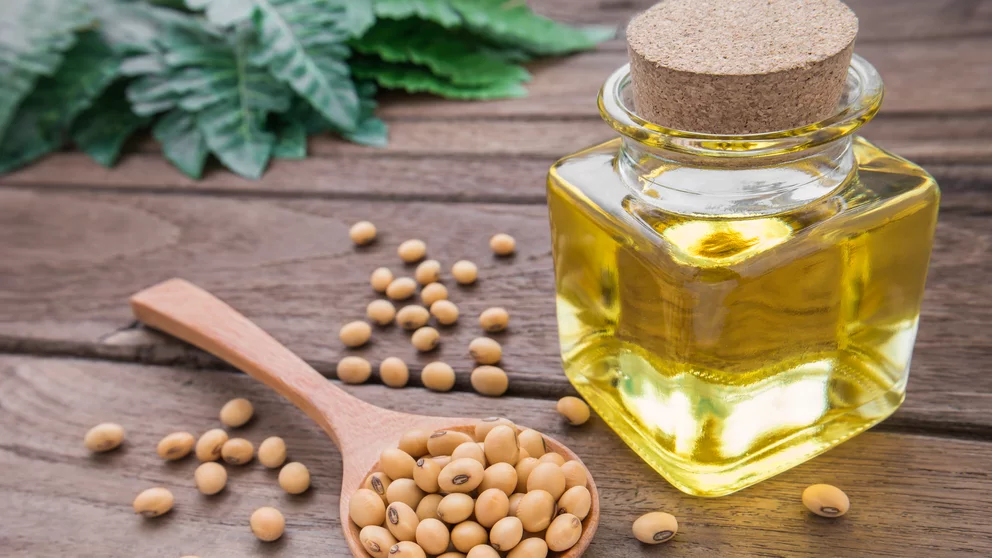
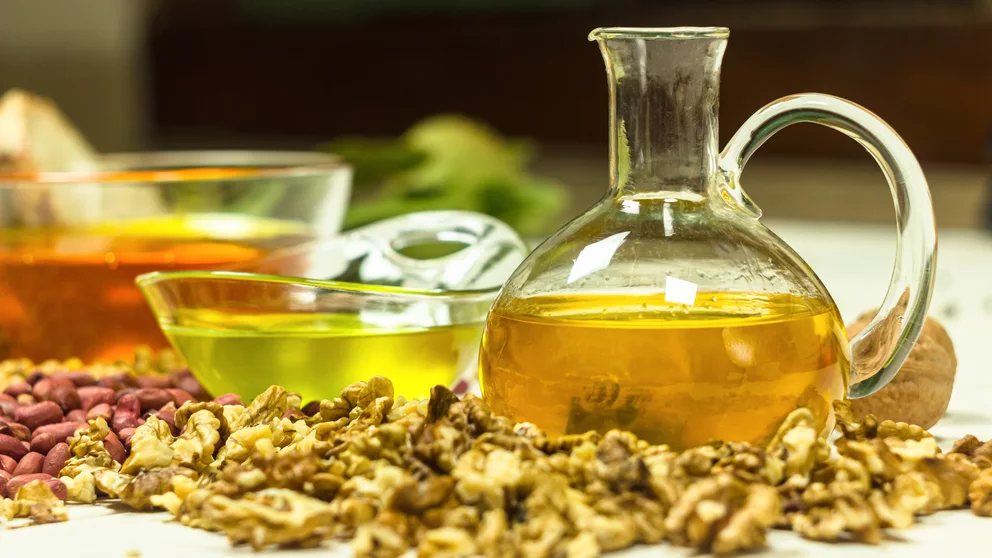
Vegetable oil is essentially any edible plant oil derived from seeds (such as canola, sesame or sunflower seeds) or other plant parts (such as olives or avocados). Vegetable oils are widely used around the world in cooking, but also in industry for fuel, as lubricants, and for making products such as soaps and cosmetics.

The generically labelled ‘vegetable oil’ you find in supermarkets is often made from soybean or canola/rapeseed oil or could be a blend of oils.

Benefits and risks of vegetable oils

Generic vegetable oil is an affordable and versatile cooking oil. It tends to be mild, odour- and flavourless, light in colour, and used in many types of cooking – though be careful with using it over high heats (see below).

Many types of vegetable oil are also low in saturated fats, which are bad for cholesterol and cardiovascular health, and high in unsaturated fats, which have been linked to healthier cholesterol levels and improved cardiovascular health.

On the downside, many vegetable oils are highly processed, which reduces some of their health benefits. It can also be hard to know exactly what’s in generic vegetable oils – many oils are made from crops that have been genetically modified to be pest-resistant. While there is no evidence to suggest genetically modified crops harm human health, doubts linger about their long-term safety.

Vegetable oils are not always the best choice for high-heat cooking. Many generic vegetable oils have a high smoke point (the temperature at which an oil starts to emit smoke, which has been associated with the release of carcinogenic chemicals), leading many to believe they react well to cooking over high heats.

However, they also have poor oxidative stability – thought to be a much better measure of how oils react to heat. Oxidative stability relates to an oil’s ability to resist breaking down under high temperatures. When exposed to heat over time oils react with oxygen and produce harmful chemicals that are linked to inflammation and associated diseases, including Alzheimers, cancer, diabetes, heart disease, and others. The more an oil can resist this process, the better it is for cooking.

Generic vegetable oil and most seed-based oils do not have as high an oxidative stability as non-seed vegetable oils such as extra-virgin olive oil and coconut oil, or animal fats such as lard, so consider these for deep frying and cooking on high heats.

Types of vegetable oils

Vegetable oils come in a dizzying variety. Which is the best vegetable oil for baking? Which is the best vegetable oil for frying? Which is the healthiest vegetable oil? Here we take you through some of the most common types found on supermarket shelves.
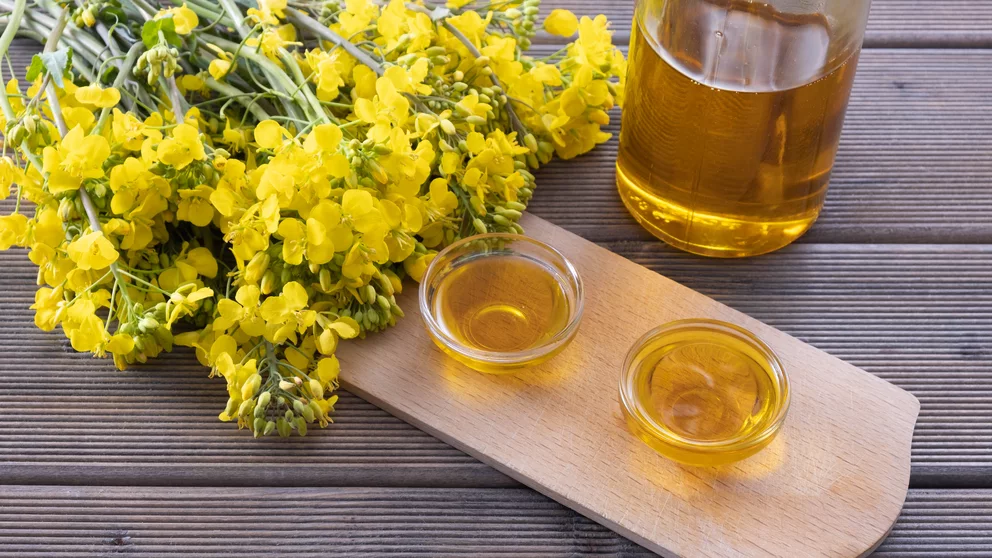
Canola oil

Also known as rapeseed oil, especially in the UK, canola oil is made from the seeds of specially cross-bred rapeseed cultivars. Natural rapeseed oil contains substances that are harmful to human health in high quantities and so in the 1970s Canadian scientists created a special cultivar of the plant – a member of the cabbage family that produces beautiful golden-yellow flowers – to exclude these and produce a food-grade oil.

Canola oil tends to be neutral tasting and odourless, making it a versatile oil that is commonly used for cooking, baking and adding to salad dressings and dips without imparting a strong flavour. But despite having a high smoke point, its low oxidative stability means it’s best avoided for high-heat cooking, such as deep-frying.

Sesame oil

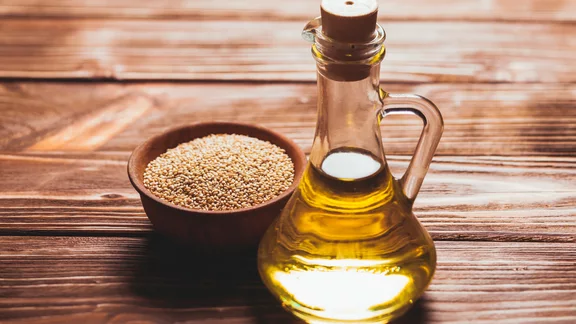
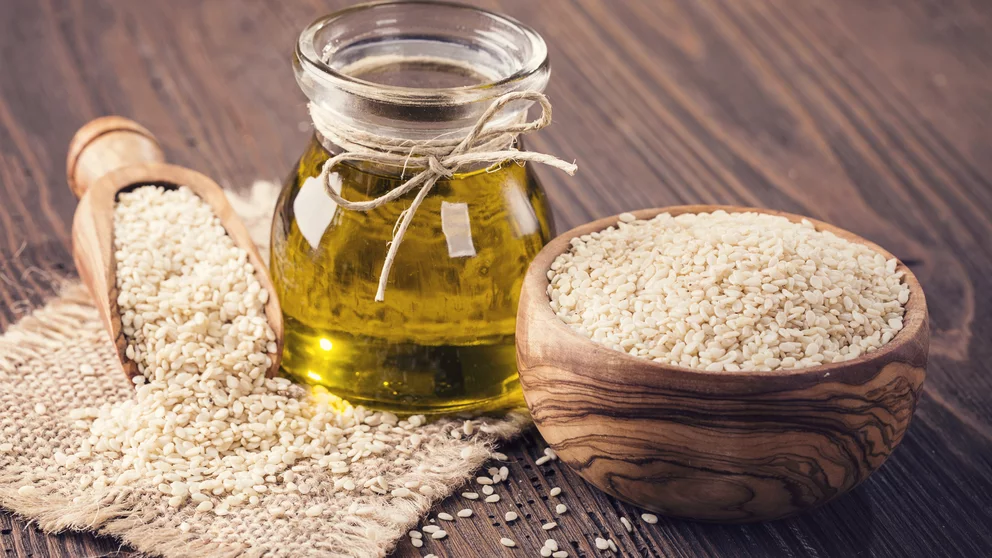
Made from pressed sesame seeds and widely used in many Asian cuisines, sesame oil  comes in two main types: light and toasted. The former has a light colour, neutral flavour and has reasonable oxidative stability for a seed oil (though not as high as that of coconut or extra-virgin olive oil), so can be used for frying. The latter, made from roasted sesame seeds, is thicker with a stronger nutty taste and is better used raw in dressings and sauces and as a condiment added to dishes after cooking.

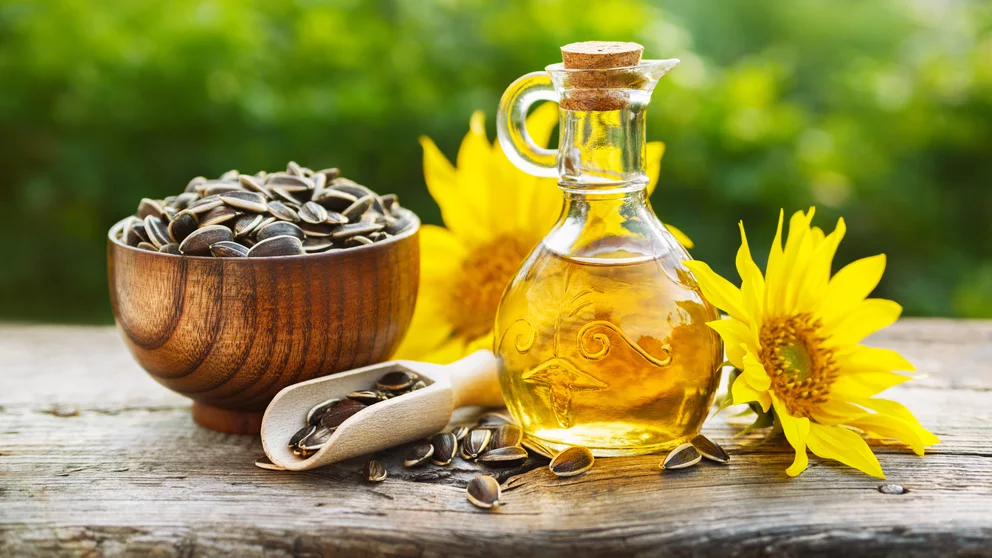
Sunflower oil

Made from pressed sunflower seeds this is another widely used cooking oil. You’ll mostly find the neutral-tasting and colourless refined version on supermarket shelves; the more rarely seen unrefined version has a stronger nuttier taste and can be added to salads and used for baking, though not for cooking. Most sunflower oils have low oxidative stability, emitting harmful compounds when exposed to heat for extended periods. Those labelled “high oleic” are designed to be more stable.

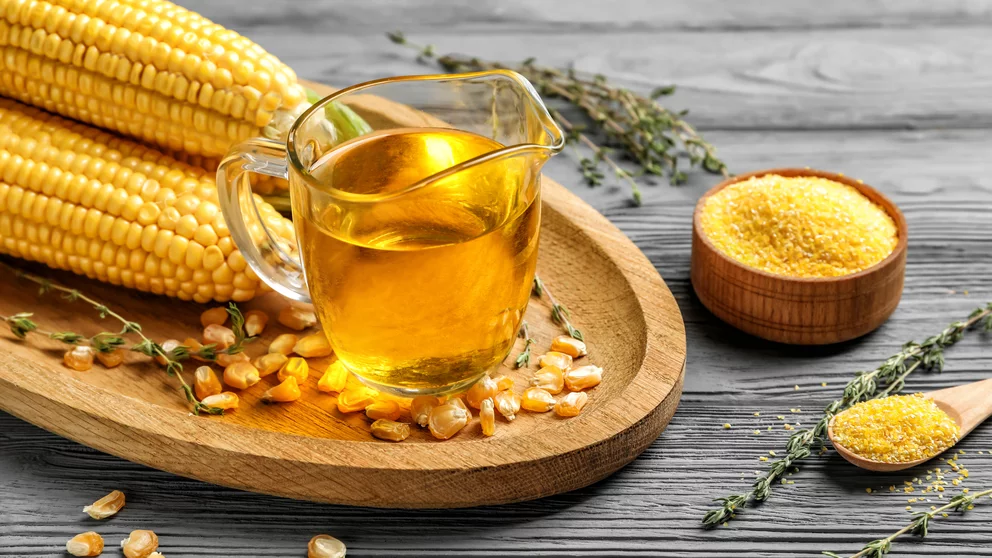
Corn oil

Corn oil derives from corn kernels that have undergone an extensive refining process to remove unwanted tastes, smells and impurities. Another inexpensive oil commonly used for cooking and baking but not the healthiest choice.

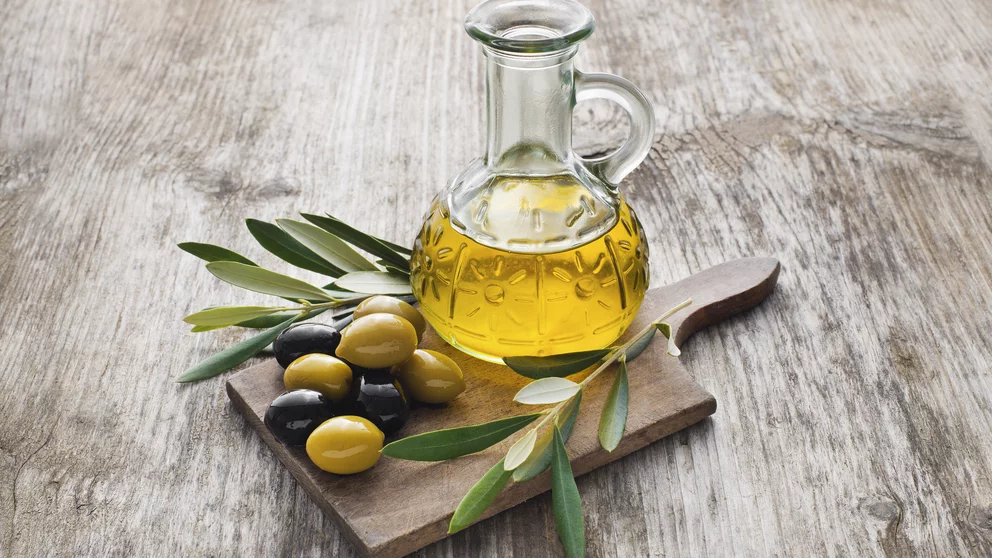
Olive oil

Made by pressing whole olives with no chemical processing required (at least in its unrefined form), olive oil is one of the very healthiest vegetable oils. High in good monounsaturated fats, it has high oxidative stability, and its numerous health benefits are well documented. Opt for extra-virgin olive oil where possible to retain the maximum amount of antioxidants and other beneficial compounds.

Though expensive, many good-quality extra-virgin olive oils have a strong, delicious flavour, making them great for adding to salads or simply enjoying drizzled on gluten-free bread. But their strong taste can overpower, so opt for something more neutral-tasting if you don’t want this to dominate in sauces and baked goods.

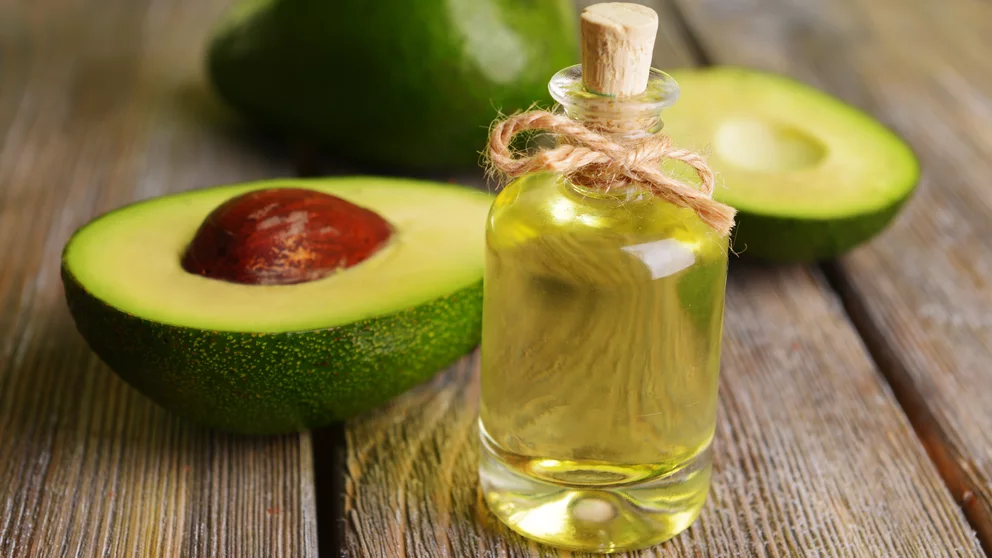
Avocado oil

Made from the pulp of avocado fruit, avocado oil is, like olive oil, high in monounsaturated fats, but unlike olive oil, has a milder and more neutral flavour. It’s not the cheapest, mind.

Soybean oil

Another common, versatile and inexpensive oil, soybean oil is made from the seeds of the soybean plant. You’ll find it frequently used in generic vegetable oils as well as in shop-bought dressings and condiments, such as mayonnaise. However, it is not one of the most stable oils for cooking.

How is vegetable oil produced?

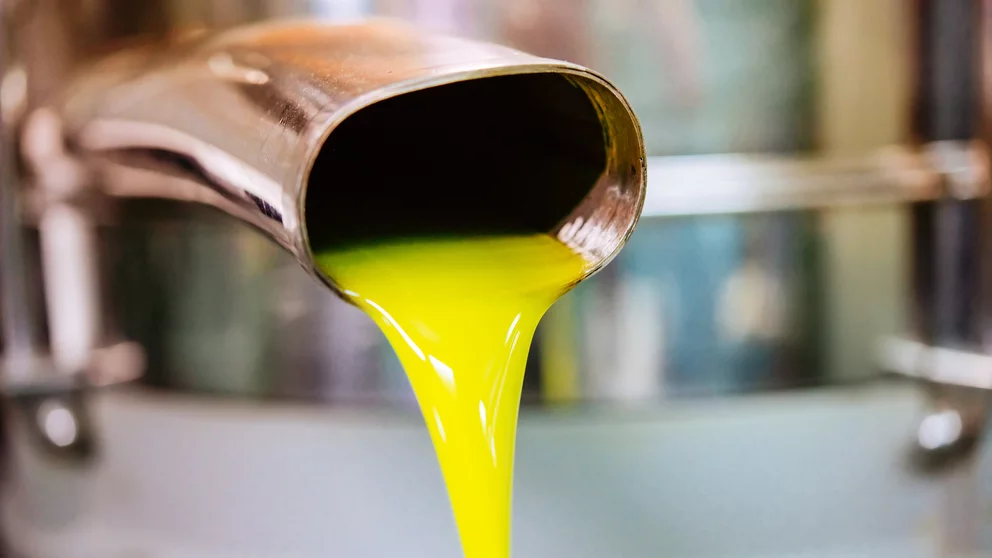
Some vegetable oils are more processed than others. Producing extra-virgin olive oil simply means crushing the olives, filtering the result and you’re pretty much done. Creating corn oil, on the other hand, involves a complex refining process.

In general making vegetable oil first requires you to remove the oil from the plant. This can be done mechanically, by pressing or crushing, or chemically, by using a solvent such as hexane – as in the case of corn or canola oil. After that, the oil must be filtered to remove impurities and may undergo further refining processes to improve its taste, texture, colour or smell, remove further contaminants, or increase its shelf life. These can include bleaching, which lightens its colour, and deodorising, which removes unwanted flavours and odours.

Possible allergens in vegetable oil

There is one type of vegetable oil that those on gluten-free diets need to look out for: wheat germ oil, which is produced from the germ of wheat kernels. Although most wheat germ oil undergoes refining that is likely to remove any gluten, it can still contain enough to cause a reaction in some people. You are more likely to find it in cosmetics than food.

Gluten can also find its way into vegetable oil as a result of cross-contamination. If you’re coeliac or have a non-coeliac gluten sensitivity, it’s vital to have your food prepared in a dedicated oil used only for gluten-free foods in order to avoid cross-contamination.

Also bear in mind that nuts and seeds can trigger serious allergic reactions in some people. That said, the refining processes used to produce most nut and seed oils remove most allergens and tend to render oils safe.

Vegetable oil nutrition

Vegetable oils are mostly fats, which your body needs in moderation but are unhealthy if you eat them in high quantities. Most vegetable oils are low in ‘bad’ saturated fat and high in ‘good’ monounsaturated and polyunsaturated fats, which benefit heart health. They also tend to be high in omega-6 fatty acids. While these are essential, lots of people consume too much of them and not enough omega-3 fatty acids, creating an imbalance than can lead to inflammation.

Some vegetable oils are also high in vitamin E and other vitamins. That said, the refining processes that certain types of vegetable oil undergo can reduce the amounts of these nutrients.

Cooking with vegetable oils

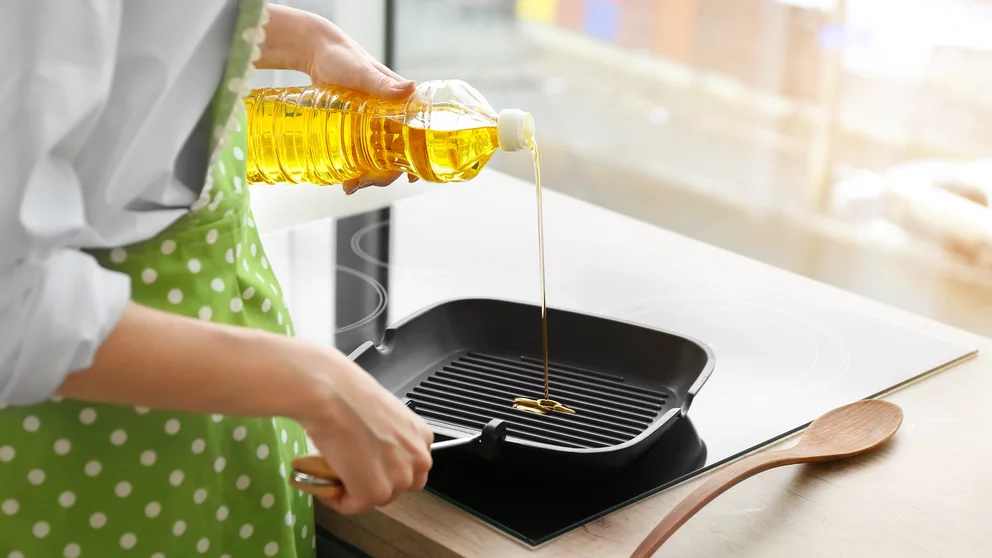
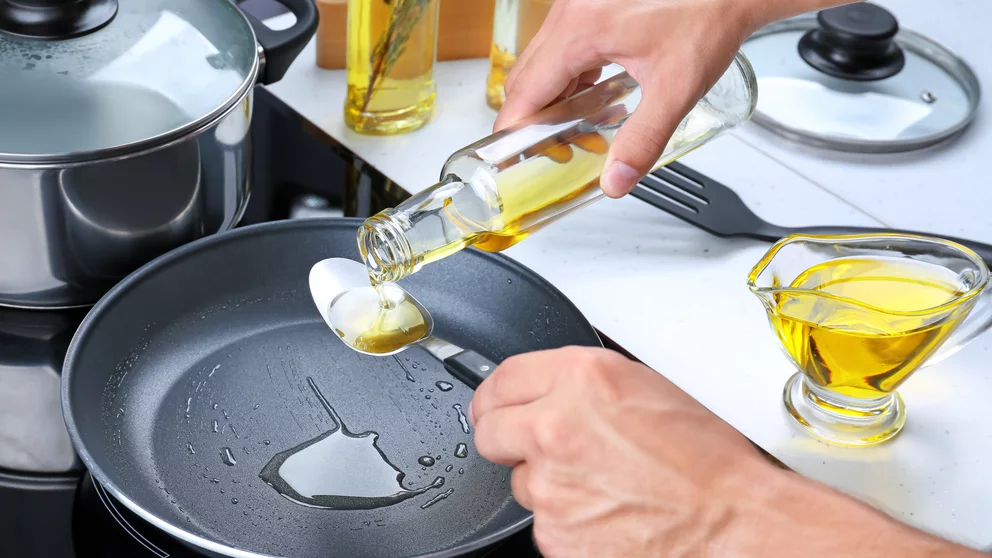
Vegetable oils are an incredibly versatile ingredient in the kitchen used for cooking, frying, baking, sautéing and adding to salad dressings and dips. Some are neutral tasting and don’t impart a strong flavour, while others, such as extra-virgin olive oil and toasted sesame oil, have a strong taste that makes them great for flavouring dishes.

It is important to choose an oil with high oxidative stability if you’re cooking over high heat. Bear in mind that oils traditionally used for deep-frying, such as corn, canola, and sunflower, may not be the best choices. Extra-virgin olive oil and coconut oil perform much better, though animal fats such as lard have the highest oxidative stability.

Deep-frying might not be the healthiest option, but that doesn’t mean you can’t indulge yourself from time to time. For a midweek treat, try these orange-flavoured chicken fritters or our gluten-free Spanish-style ham croquetas. You definitely shouldn’t have them every day, but you’ll wish you could!