


 Facebook
But those on gluten-free diets still ought to take care before they dip that knife into the jar. We explain all you need to know about this delicious, nutritious spread.

What is peanut butter?
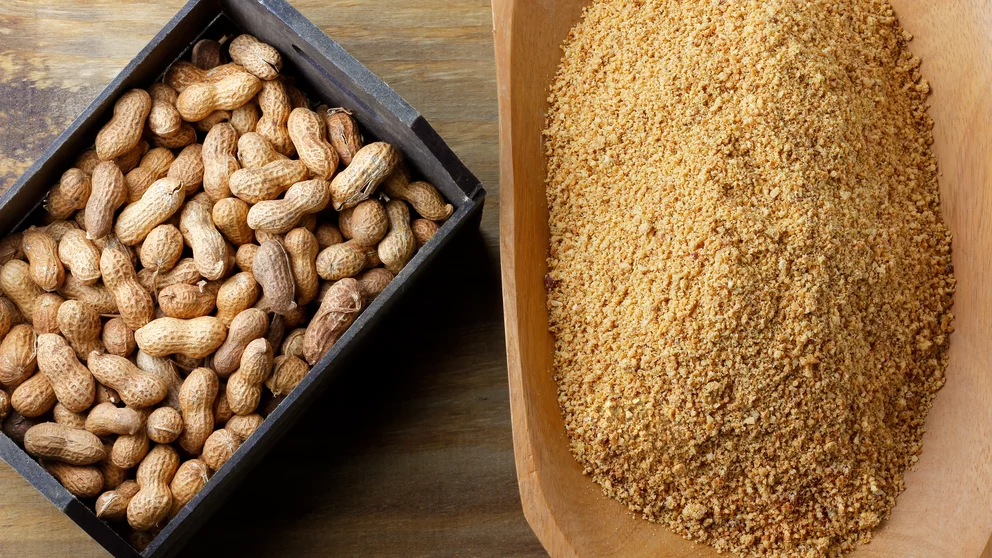
In essence peanut butter is just peanuts that have been ground down (often having been roasted first) and then blended into a paste. Natural peanut butter – the healthiest peanut butter – should be around 90% peanuts with perhaps some salt and sugar added to improve the taste. In this case the natural oil from the peanuts will separate from the other ingredients and settle at the top of the jar. To stop this from happening, many manufacturers add a vegetable or palm oil to the mix, which acts as a stabiliser and keeps everything together. More processed peanut butters can include many extra ingredients, some of which may contain gluten. Therefore, it’s always important to check the label.
Nutritional facts of peanut butter
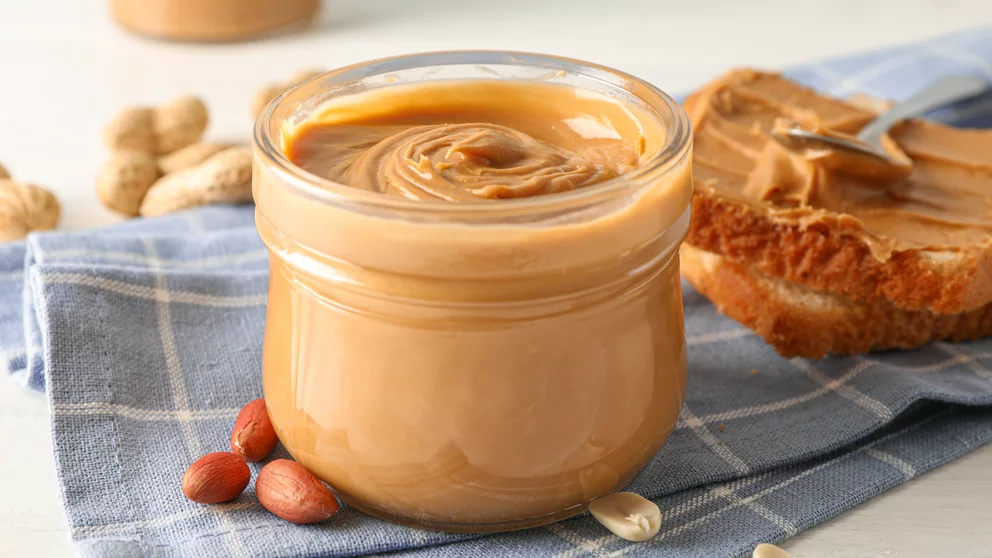
Natural peanut butter is a nutritional powerhouse: low in carbs, even when sugar is added, it’s packed full of vitamins and minerals, protein, and healthy fats.
Vitamins and minerals
Peanut butter is very nutrient dense. Even small amounts can provide significant proportions of your reference daily intake (RDI) of many important vitamins and minerals. For example, it’s high in B-complex vitamins such as B3 (niacin) and B6, as well as vitamin E, an antioxidant. An average two-tablespoon serving (around 32g – enough to make a decent sandwich with) contains, among other things, 28% of your RDI of manganese, 14% of your RDI of magnesium – important for muscle development – and 45% of your RDI of copper (great for bones, immune function, and blood vessels).
Protein
Peanut butter is a brilliant, and inexpensive, source of plant-based protein. About 35% of its make-up is protein, with a two-tablespoon serving containing around 7g.
Healthy fats
Peanut butter is very high in fat – with around 16g per two-tablespoon serving (that’s around a quarter of your RDI of fat). The good news is that most of this comprises healthy polyunsaturated and monounsaturated fats, rather than unhealthy saturated fat. Peanuts also contain important omega-3 fatty acids.
But do watch out for peanut butters that add other, hydrogenated oils as stabilisers. These raise levels of LDL cholesterol (the bad kind) and reduce levels of HDL cholesterol (the good kind). It’s always a good idea to check the ingredients on the label.
Cross-contamination risks
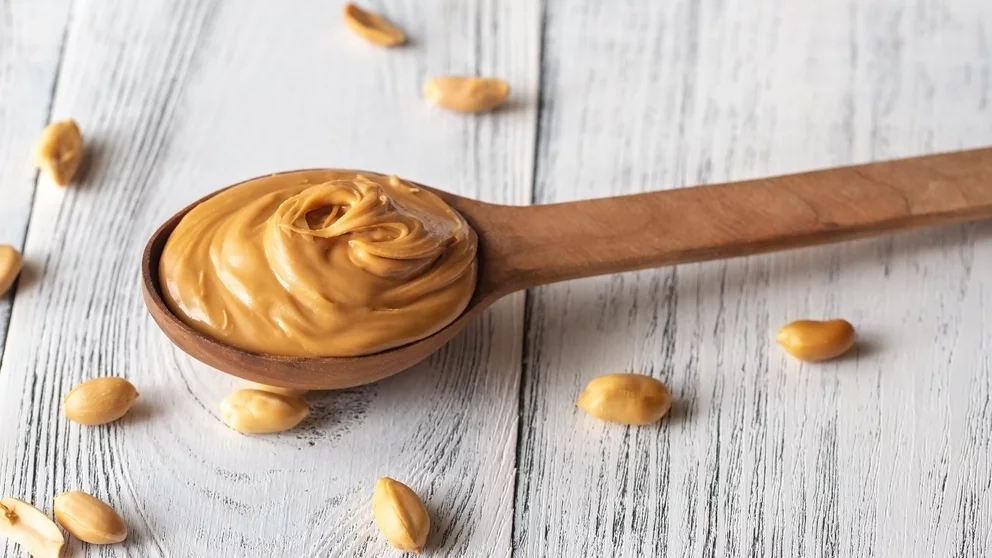
Peanut butters are sometimes manufactured in factories that also process wheat products and so, despite containing no gluten ingredients, such varieties are at risk of cross-contamination.
While manufacturers can make gluten-free certified foods in facilities that process wheat, it requires following strict standards and submitting products to regular testing, which costs them extra money. As a result, not everyone does so, leading companies to add labels such as “may contain traces of wheat” to cover their backs. It’s important to pick a certified gluten-free peanut butter if you want to rule out any risk.
Is peanut butter vegan?
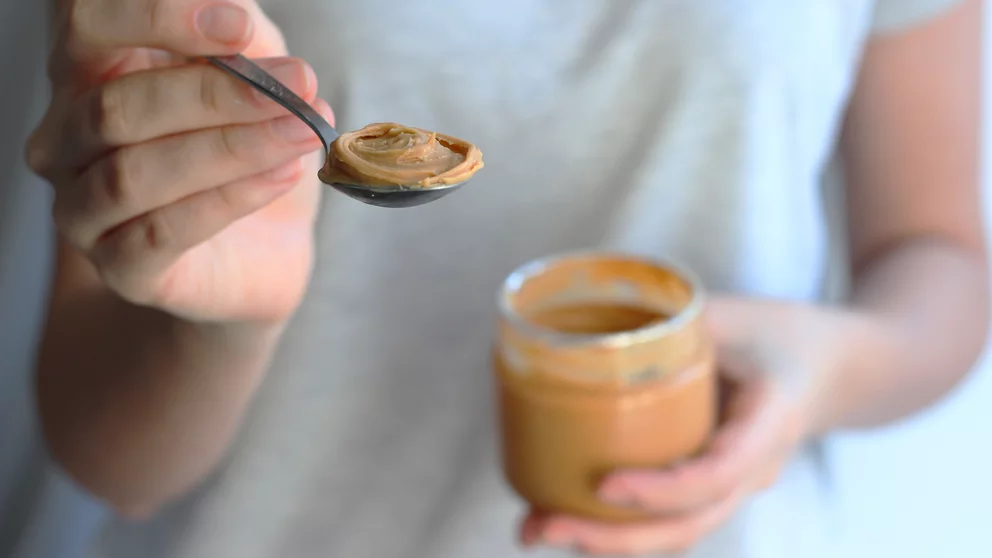
Most peanut butter is completely animal free, and its nutritional benefits make it a great addition to any vegan or vegetarian gluten-free diet. But do check the ingredient lists of more processed peanut butters for animal-derived products such as honey, omega-3 oils from fish, and cane sugar (which is sometimes filtered and bleached using bone char). If in doubt, go for brands with a vegan certification or contact the manufacturer for more information.
Recipes with peanut butter
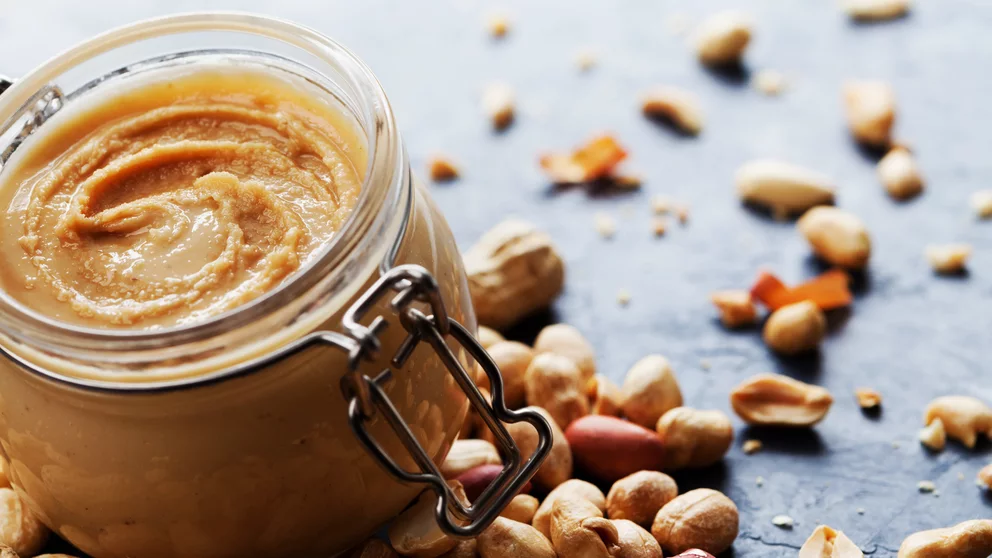
Peanut butter could hardly be more versatile. Spread it on gluten-free bread with jam for a classic sandwich, enjoy it with bananas, apples, celery, or gluten-free crackers, or mix into shakes or noodle dishes. Alternatively, try one of these yummy recipes…
Home-made peanut butter
It’s easy to make your own peanut butter at home – and that way you know exactly what’s in it! Simply whiz up some peanuts in a food processor until you get the consistency you want.

Peanut bars
These peanut bars are our take on Nanaimo bars, a classic treat from British Columbia. Consisting of three delicious layers – a chocolate biscuity base with almonds, a creamy peanutty centre, and a chocolate topping – they require no baking at all. Simply chill, chop into bars and enjoy!

Peanut butter cookies
There’s nothing quite like a home-made peanut butter cookie for a simple and deliciously chewy tea-time treat.
Peanut butter brownies
Spread some peanut butter on the top of your gluten-free brownie batter – either make your own or try our brilliant Mix Brownies – before you bake them for extra flavour and a beautiful swirl pattern.
Why include peanut butter in your diet?
As long as you don’t have a peanut allergy, peanut butter is a great addition to almost any diet. However, those avoiding gluten should always check the label for gluten-containing additives and cross-contamination risks. If you opt for a natural, low-processed brand, peanut butter is an economical source of protein, healthy fats and key vitamins and minerals and the dense mix of nutrients will fill you up. But be wary that peanut butter is also high in protein and fat, so always consume it in moderation.
Other interesting articles