

Some of the amazing Olympic athletes we love to watch have coeliac disease. Coeliac disease is not an impediment to a top-level sporting career, as long as a strict gluten-free diet is followed.

Dreams are always hard to achieve. Becoming an elite athlete with coeliac condition is just another of those difficult, but navigable, journeys.

What does a gluten-free diet look like for athletes?

Most athletes need to eat a lot of carbohydrates while they are competing to keep their energy levels high. Gluten must be avoided and the risk of a gluten attack during or near a competition is a serious peril for the athlete’s chances of success.

A gluten-free diet means not consuming food or drink made with the cereals wheat, rye and barley or any of their derivatives. Oats are also often avoided as they can contain traces of gluten, although certified gluten-free oats do exist.

Alternative sources of carbs have to be found, as well as ensuring that the athlete is consuming a healthy amount of protein, fibre, healthy fat and other key nutrients. The key is to be prepared and have replacement sources of nutrition. For carbs, a coeliac athlete must find what works best for them between the many options of rice, corn, quinoa and other gluten-free grains or starchy vegetables. Beans and nuts could also be in the mix. Here’s a possible meal plan for an athlete’s training day:

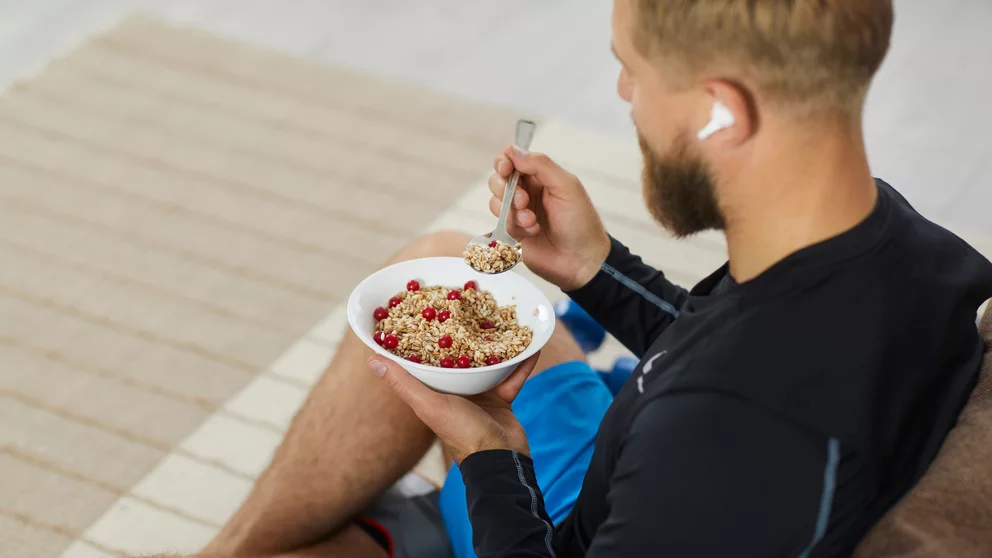
Breakfast: Yoghurt, fruit and Schär Fruit Müsli.

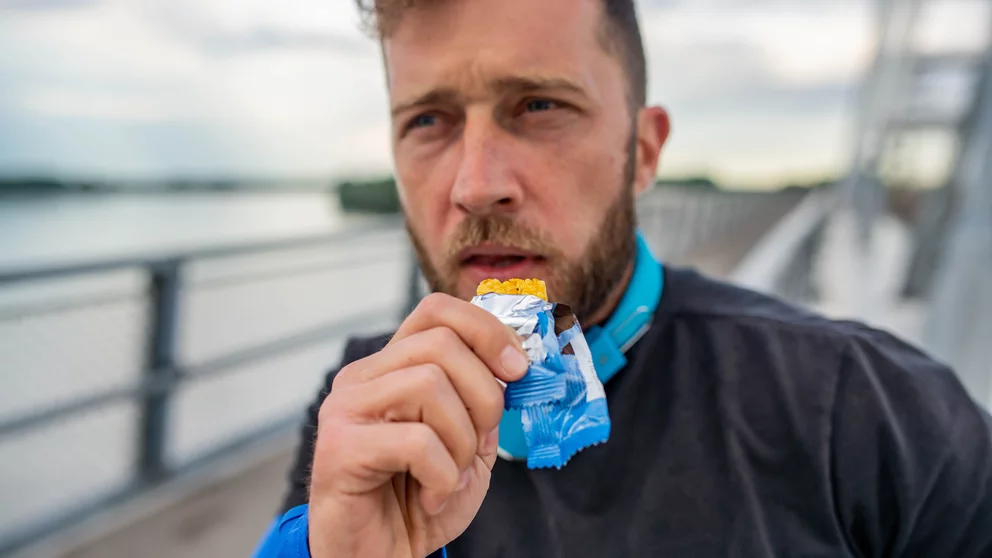
Post-training morning snack: Schär Cereal Bar.

Lunch: Gluten-free wraps with grilled chicken, veggies, avocado, shredded cheese & salsa.

Dinner: Grilled fish, sweet potato or rice, and mixed vegetables.

Information on sport and coeliac condition

Planning ahead so gluten-free options are available is essential for the athlete with coeliac disease to maintain peak athletic performance. Coeliac athletes might be part of a team, but unable to eat the same food that is prepared for their teammates, such as traditional pasta. Also, the energy bars and protein shakes that are easily available may be unsuitable for a gluten-free diet. Like most other elite sportspersons, coeliac athletes should seek guidance from an expert nutritionist.

Some people with newly diagnosed coeliac disease have iron-deficiency anaemia because of the difficulty in absorbing iron in the small intestines. Athletes should be advised by their nutritionist on how to include iron-rich foods in their gluten-free diet, as well as supplementing his or her diet with a gluten-free multivitamin.

Nutrition tips for sportsmen and women with coeliac condition

Fuel gluten-free, train smarter! When travelling to competitions, there is a need to have the right kind of food ready to hand as it may be difficult to source your standard options in a different setting.  Coeliac athletes should consider taking their staple foods with them and make sure they have plenty of gluten-free snacks and energy-boosting easy options in their kit.

Some athletes prefer to get accommodation with its own cooking facilities so that they don’t run the risk of being ‘glutened’ by cross-contamination with other people’s food in a hotel or restaurant kitchen. It is a food idea to check out guaranteed gluten-free stores and eateries in the city or town to be visited.

Which sportsmen and women have coeliac disease or gluten intolerance?

Coeliac and gluten intolerant athletes exist across the board in the sporting world. From legendary retired NFL quarterback Drew Brees to Novak Djokovic, the best men’s tennis player of all time, who switched to a gluten-free diet in 2010 and saw his career take off in the following decade.

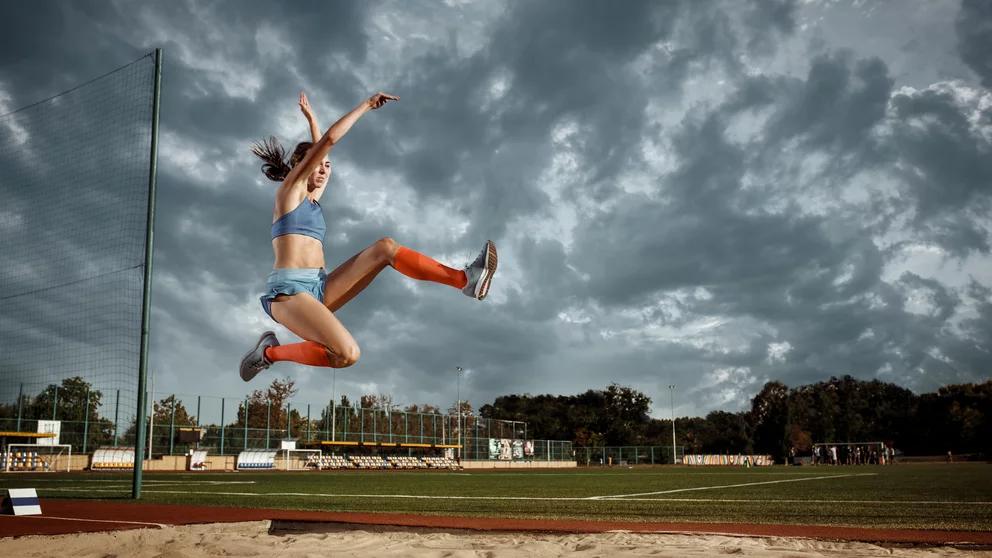
Among coeliac athletes expected to line up in Paris will be Brooke Buschkuehl, a long jumper for Australia who finished seventh in both the Rio and Tokyo Olympics and hopes to finish even higher this year. Buschkuehl was diagnosed with coeliac disease in 2013 after struggling with fatigue for the previous two years.

Buschkuehl says the key for an athlete following a gluten-free diet is to work with a nutritionist and find what kind of food works best. The reward is feeling better and competing in top condition. The Australian told The Gluten Free Athlete website that no one should give up on their dreams because of coeliac disease.

Eat like an athlete