








 Facebook
However, beyond their dietary significance, the cultivation of these grains presents an opportunity to support biodiversity in agriculture and develop more sustainable food systems. By embracing regenerative farming techniques and eco-friendly practices, the journey from field to flour can contribute to a healthier planet and more resilient crops.

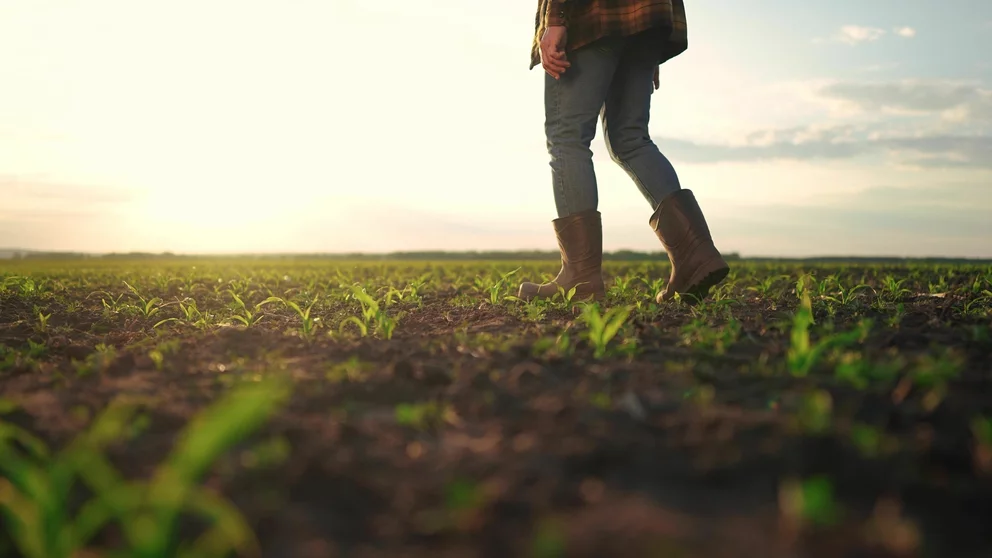
Gluten-free grain production follows a meticulous path from cultivation to processing. Farmers carefully select and cultivate gluten-free varieties such as sorghum, millet, buckwheat and quinoa, using eco-friendly farming techniques that enhance soil health improvement and preserve genetic diversity. Biodiversity in agriculture is essential for developing sustainable food systems that can withstand environmental stress. By incorporating regenerative agriculture methods, farmers can ensure crop resilience while fostering healthier ecosystems. This diverse cultivation approach not only benefits farmers and consumers but also contributes to long-term environmental sustainability.
The importance of biodiversity in gluten-free agriculture

Genetic diversity in agriculture strengthens crop resilience, making plants more adaptable to changing climates and resistant to diseases. A diverse range of gluten-free grains contributes to ecological balance by reducing the prevalence of monocultures, which can deplete soil nutrients and invite pests. By fostering biodiversity in agriculture, farmers create an environment where natural pest control mechanisms thrive, reducing the need for chemical interventions. Additionally, regenerative farming practices that support biodiversity help sustain pollinator populations, which are vital for food production and ecosystem health.
Cultivation: the beginning of the journey
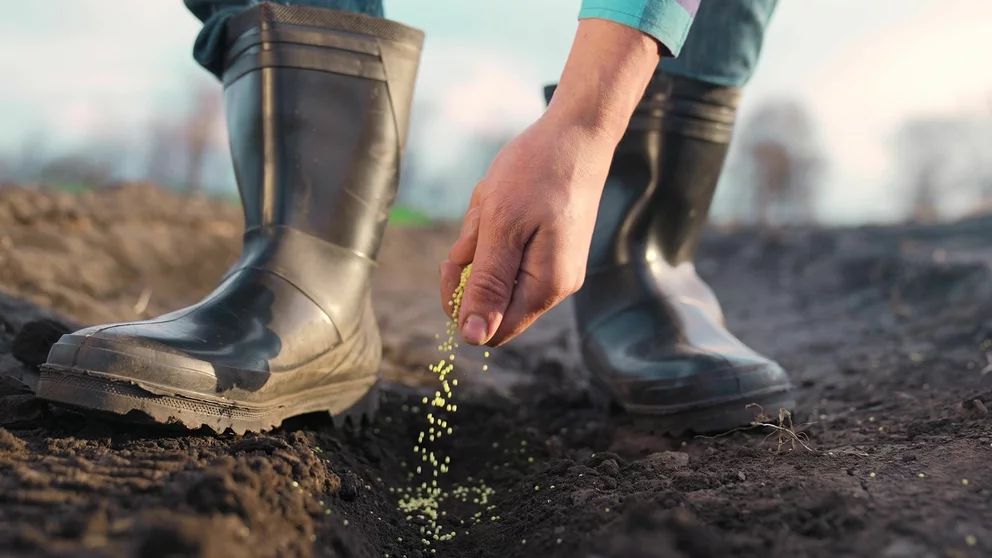
Selecting the right gluten-free grains is the first step towards ensuring a high-quality and resilient harvest. Ancient grains such as amaranth, teff and fonio are gaining popularity due to their adaptability and nutritional benefits. These grains have been cultivated for centuries, making them well-suited to withstand environmental challenges while contributing to a more diverse food system.
Some companies, including Schär, use biostimulants – natural substances that enhance plant growth, improve stress tolerance and increase nutrient uptake. This approach supports plant growth and nutrition reducing the use of synthetic fertilisers.
Additionally, crop rotation and intercropping strategies are integral to regenerative agriculture. By rotating crops seasonally and interplanting complementary species, farmers can improve soil health, reduce pest populations and enhance overall field productivity. These sustainable techniques ensure that gluten-free grain production remains viable and environmentally responsible.
Processing: from grain to flour
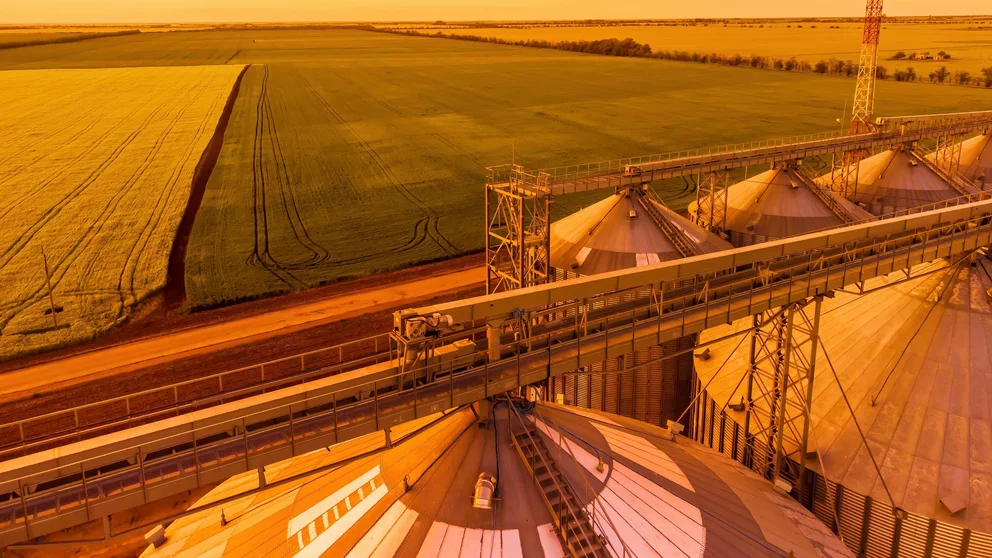
Once harvested, gluten-free grains undergo initial cleaning and conditioning to remove impurities while preserving their natural quality. Gentle processing techniques are essential to maintain the nutritional integrity of the grains. Milling methods that minimise heat exposure help retain vitamins, minerals and fibre, ensuring that the final flour product is both wholesome and functional. By prioritising careful processing, food producers can deliver high-quality gluten-free flours that meet consumer demands for nutrition and purity.
Packaging and distribution: the final steps

Cross-contamination is a crucial consideration in gluten-free production. Isolating materials and dedicated production lines help prevent contamination from gluten-containing grains, ensuring food safety for consumers with coeliac disease or gluten intolerance.
Biodiversity’s broader impact on food systems
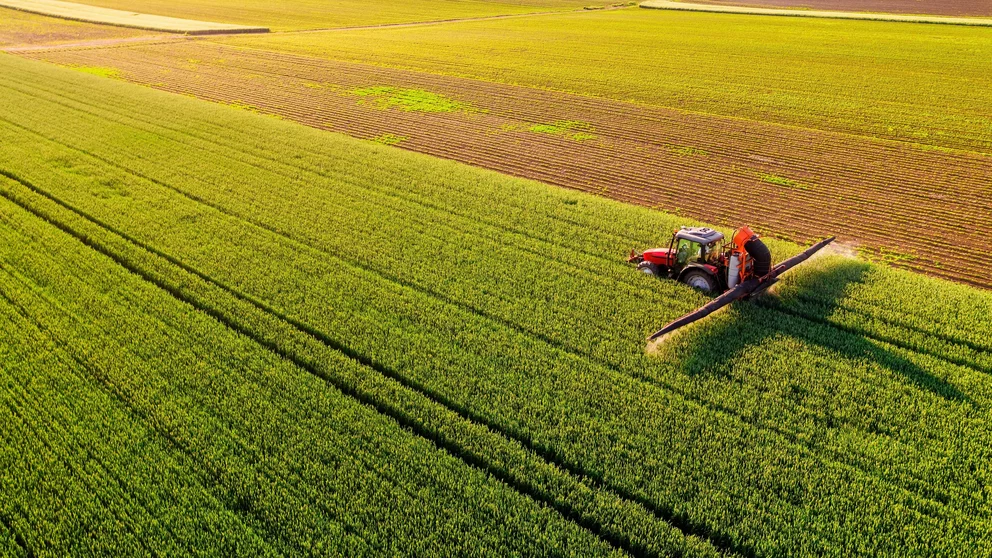
The integration of biodiversity into agricultural systems offers numerous long-term benefits. Enhancing soil fertility and preventing erosion are direct outcomes of regenerative farming techniques, such as cover cropping and compost application. These methods improve soil structure, increase water retention and ensure sustained agricultural productivity.
Supporting pollinators and natural pest control is another vital function of biodiversity in agriculture. Diverse crop landscapes provide habitats for beneficial insects, such as bees and ladybirds, which contribute to pollination and natural pest management. Schär is participating in a project with technology by XNatura to analyse the buzz produced by bees and monitor pollinating insects in real time in buckwheat fields in Poland. By processing the data from sensors and satellite images, Schär can measure the benefits from sustainable agriculture policies and refine good practices to achieve the best results.
By embracing biodiversity and sustainable agricultural practices, gluten-free grain production can play a pivotal role in creating a more resilient and environmentally responsible food system. Through regenerative farming, eco-friendly packaging, and mindful distribution strategies, the journey from field to flour becomes an example of how agriculture can support both human and planetary health.
Other interesting articles








Schär is worldwide
Europe
Eastern Europe
USA, Canada and South America
Asia, Africa and other countries
International
