


To celebrate our company’s centenary in 2022, we chose to enter into a partnership with Crop Trust.

Crop Trust is an international organisation dedicated to conserving and ensuring the availability of crop biodiversity worldwide, forever and for everyone.

The conservation of crop biodiversity is a global issue of vital importance, essential to ensuring future food and nutritional security. Preserving crop diversity indefinitely and making it accessible to scientists, researchers and farmers is crucial. This could make a significant contribution to tackling the challenges of the climate crisis, reducing environmental damage, improving livelihoods and ensuring adequate nutrition for all.
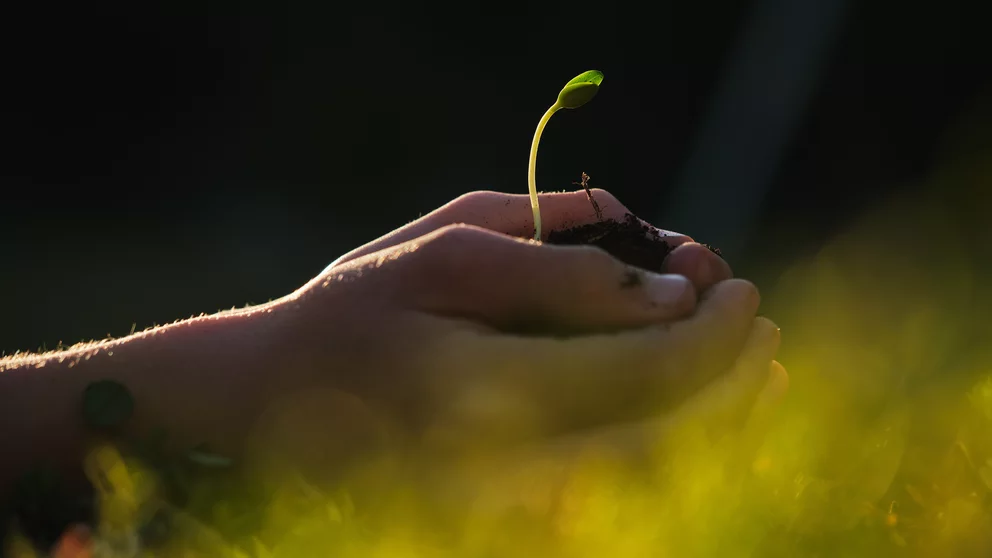
Scientists and plant breeders depend on the available diversity of crops to develop new, more resilient and productive varieties. These must meet consumer preferences by providing delicious and nutritious foods, while also being adaptable to different local circumstances, preferences, environments and challenges.

Why is it important to conserve crop biodiversity?

Crop diversity is essential to life on Earth. It underpins almost everything we eat and drink. Unfortunately, however, it is disappearing fast. Conserving crop diversity can help counter the global climate crisis, global biodiversity loss, and food and nutrition insecurity.

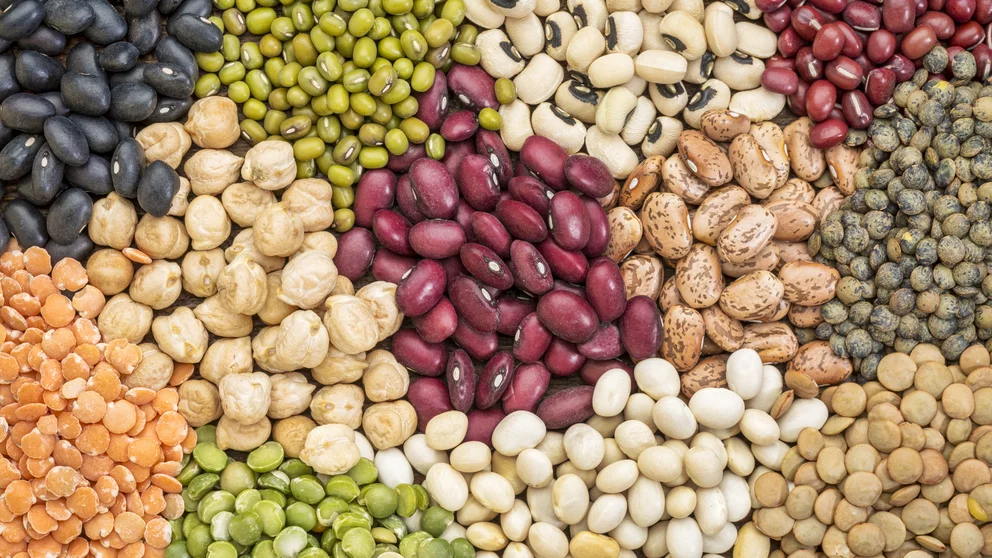
At Schär, we ensure that up to 500 varieties across five different crops — beans, lentils, peas, pearl millet and sorghum — are properly protected for at least the next 100 years.

Millet

Pearl millet is rich in nutrients and micronutrients, and increasing its consumption may help reduce the risk of micronutrient deficiencies ("hidden hunger") and contribute to improved nutritional status.

Pearl millet can be grown in very hot and dry conditions, on infertile soils where other crops would not survive.

Sorghum

Sorghum is one of the most important cereal crops and the third most widely produced gluten-free cereal on the planet. It is extremely drought-tolerant, making it an excellent choice for arid areas.

It has everything you could want from a gluten-free cereal: it is versatile, nutritious and affordable.

Peas

Peas are a widely grown cool-season crop that can be enjoyed in both spring and autumn.

Growing legumes supports diversity — including bacteria, earthworms and bees.

Beans

Beans provide an important source of plant protein for millions of people, particularly in Latin America and Africa. They are also rich in micronutrients such as iron and folate, both of which are especially important during pregnancy.

They are a fast-growing crop, reaching maturity 55–60 days after planting.

Lentils

Lentils are edible seeds from the legume family. They are believed to have originated in the Middle East and North Africa and are among the world’s oldest foods.

Lentils are among the most protein-rich plant foods. When dried, they contain approximately 25% protein, making them an excellent source of plant-based protein.