But behind every loaf, biscuit or bowl of pasta lies a fascinating journey that begins long before the grains reach the mill.

Crops such as sorghum, millet, buckwheat and quinoa bring variety to the fields where they are grown and help create a diverse portfolio of ingredients for gluten-free foods. From seed selection to harvesting, milling and distribution, every step requires care, expertise and close collaboration across the supply chain.

Celebrating Diversity in the Field

Just as variety makes a diet more interesting, a wide range of crops can enrich agricultural landscapes.

Gluten-free grains have been cultivated in different parts of the world for generations, each with its own characteristics and growing requirements. Today, farmers continue to explore different crop combinations and cultivation approaches that fit local climates, soils and farming traditions.

Alongside well-known crops, interest is growing in grains such as amaranth, teff and fonio, offering new possibilities for innovation and diversification in food production.

Where the Journey Begins

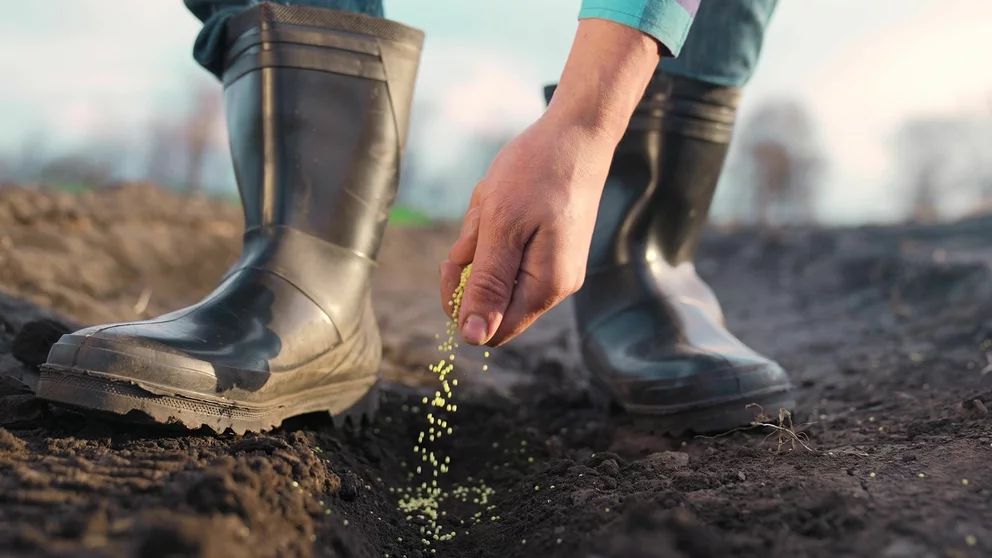
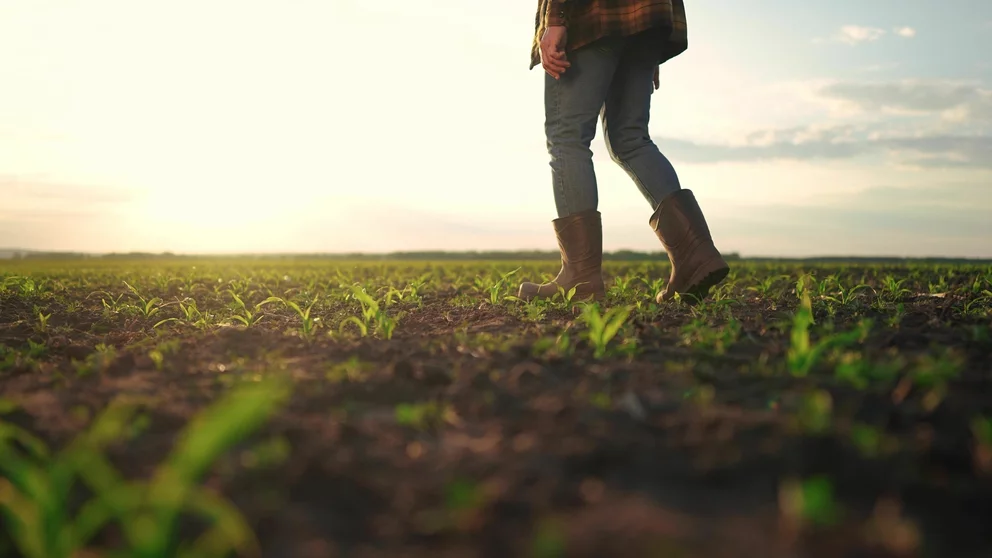
Every harvest starts with a seed.

Selecting the most suitable grain varieties is an important first step in creating reliable and high-quality supply chains. Farmers consider many factors, including local growing conditions, crop performance and the intended use of the grain.

Across different regions, a variety of farming practices are used to manage crops throughout the growing season. Crop rotation, intercropping and other agronomic approaches are common tools that farmers may apply depending on local circumstances and production goals.

Farmers are continually exploring different ways to support crop management throughout the growing season. One example is the use of biostimulants, naturally derived substances that are applied under specific growing conditions and are being studied for their interaction with plant growth and nutrient-use processes.

By combining agricultural knowledge with continuous learning and field experience, farmers adapt their practices to the unique needs of each crop and each season.

From Grain to Flour

Once harvested, the grains begin the next stage of their journey.

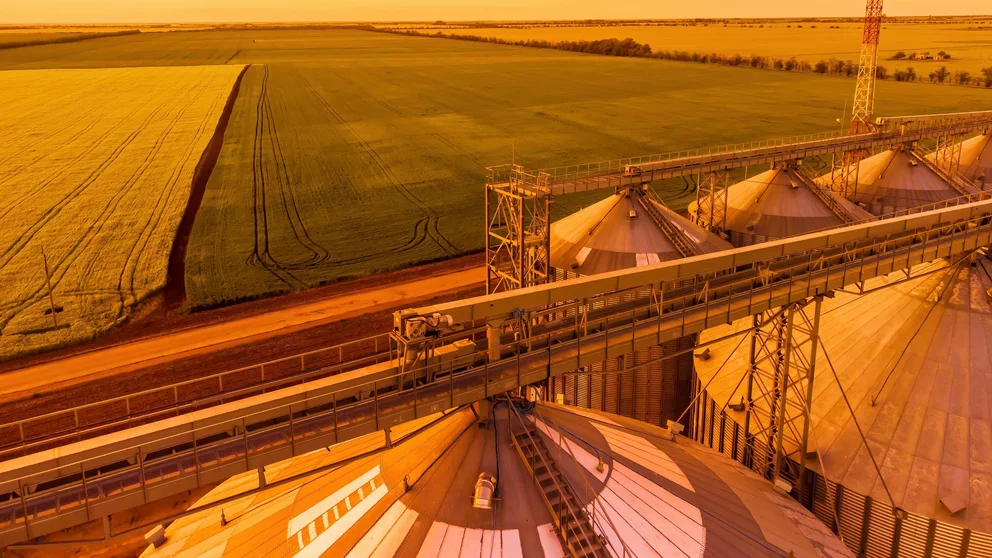
Before milling, grains are carefully cleaned and prepared to meet quality and safety requirements. Milling processes are adjusted according to the characteristics of each grain and the intended application, whether the flour will be used in bread, pasta, snacks or baked goods.

Throughout processing, quality controls help ensure that the finished flour meets the standards expected by food manufacturers and consumers alike.

Ensuring Gluten-Free Integrity

For people who need to avoid gluten, safety is essential.

Across the gluten-free supply chain, dedicated procedures and controls help minimise the risk of cross-contamination with gluten-containing cereals. From sourcing and storage to transport and processing, maintaining product integrity remains a priority at every stage.

Packaging then helps protect product quality while providing consumers with clear and relevant information about the products they choose.

Looking Ahead

The journey from field to flour is shaped by the dedication of many people: farmers, researchers, millers, suppliers and food producers working together across the value chain.

As the world of agriculture continues to evolve, so does our understanding of crops, farming practices and production systems. Through research, collaboration and continuous learning, the gluten-free sector can keep exploring new opportunities to improve quality, strengthen supply chains and expand knowledge about the ingredients that make gluten-free foods possible.

Because every gluten-free product begins with a grain, and every grain has a story worth telling.