


 Facebook
"My day starts very early to take advantage of the fresh morning hours, especially during the summer months. When the sun rises, I go out to inspect the fields taking a good look at how the sorghum is growing and if there are signs of disease or infestations. I check the soil and the weather conditions and never forget to check the smooth running of the machinery and the cleanliness of the equipment.”

Cultivation in the name of sustainability

“To be a farmer, you need a keen eye, an unconditional love for the land, and strong, tireless hands. I’ve been growing sorghum on my farm for almost six years, using methods that respect nature. I’m proud to be one of the contract farmers selected by Schär. A cereal that was born gluten-free, I’d say sorghum chose me. There are some similarities. It’s adaptable, resistant and rustic. It is said to have ancient origins, possibly dating back 4000 years when it was successfully cultivated in India, China and Africa too. Then, in the 17th century it arrived in America.
This crop has found in flat, well-drained areas an ideal environment to thrive. It grows here naturally, without the need for intensive agricultural practices. Although sorghum is a hardy grain that is adaptable to different environments and conditions, including water stress, obtaining a high-quality raw material requires commitment and attention.
In collaboration with Schär, I decided to focus on sustainability and innovation to maximise the potential of this cereal.
In other words, the adoption of cutting-edge irrigation systems that reduce water consumption, environmentally friendly soil management, reduced use of chemical fertilisers, careful selection of plant varieties and detailed soil analyses ensure that each grain reflects the best that nature can offer. I can’t stress just how valuable the ongoing advice from Schär is.
Schär agronomists visit my fields regularly to check the health of the plants and the harvest, carry out measurements and take samples for analysis. When the sorghum is ripe, i.e., when the grains are hard, the colour reaches its defined shade, the moisture level is low enough, the leaves turn yellow and the stem hardens, we are ready to harvest. Once harvested, it is transported to the mill contracted by Schär, which is certified for gluten-free milling, and here it is subjected to rigorous and scrupulous testing – there’s no room for errors! Here only the perfect raw material, i.e., free of contamination from gluten or other allergens, heavy metals or mycotoxins, can be used by Schär.
Whenever my sorghum, which is grown with love and care, is chosen for processing, my heart fills with pride. It’s more than just cultivation. It is my passion transformed into gluten-free ingredients, destined to bring unique flavours, rich aromatic notes and precious nutrients to the tables of countless families.”
The VitaMi project
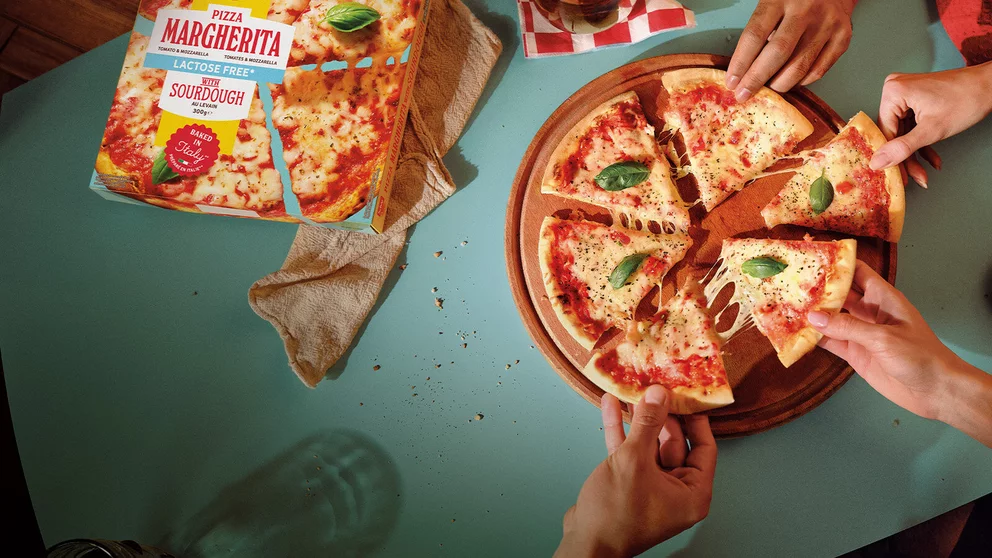
The VitaMi project - for the recovery and valorisation of millet, a lesser-known valuable, nutritious and sustainable cereal.
Biodiversity, one of the most priceless resources of our planet, is undergoing accelerated loss in recent times. Currently, it is estimated that 40% of plant species are endangered. That is why Schär puts its best foot forward to protect and promote minor crops such as sorghum, buckwheat and millet, focusing on a supply chain without negative impacts on forests and on safeguarding animal welfare. A tangible example of this approach is the recent project VItaMi - Varietà Italiane di Miglio (Italian Millet Varieties); the initiative aims to select new millet varieties suitable for western climatic conditions, which will be cultivated by Schär's trusted farmers for use in product recipes in the future. Gluten-free by nature, millet, with its high content of fibre, calcium, iron, and ability to resist climatic stress, pests and diseases, proves to be as nutritious as it is sustainable, offering benefits for both health and economic growth.
From an initial implementation of crossings between selected millet varieties started in 2020 and continuing with the greenhouse cultivation of 6,000 millet lines from 4 different crossings, the project focuses on selecting the 1,000 most promising variants. After the first field trials, VitaMi is moving towards the goal of distributing the first seeds to Schär’s trusted farming partners by 2025 and with the intention of integrating these seeds into the production chain by 2026.
Find out more about our ingredients