





 Facebook
For successful gluten-free baking, precision is key. We recommend using reliable digital scales and an oven thermometer to accurately measure ingredients and baking temperatures. Additional helpful tools include a larger baking pan or tray for creating steam in the oven, a cooling rack, and a flour shaker for dusting work surfaces evenly.
To help keep your kitchen safe, consider having dedicated gluten-free equipment, especially for items that are difficult to clean thoroughly, such as:
- Chopping boards
- Toasters
- Rolling pins
- Wooden utensils
- Waffle makers or grills
- Grain mills and certain food processors
If your household is not entirely gluten-free, it is best to prepare gluten-free food in a dedicated area and store it separately whenever possible. Gluten-free foods should be kept in sealed containers, ideally on higher shelves to avoid contamination from crumbs or flour particles.
Other good practices include:
- Washing hands before handling gluten-free food
- Cleaning surfaces thoroughly after preparing foods containing gluten
- Using separate utensils, pots and pans, or washing them carefully between uses
- Using separate containers for spreads such as butter and jam to avoid breadcrumb contamination
- Avoiding shared frying oil or cooking water previously used for gluten-containing foods
By combining the right equipment with good kitchen practices, you can create a safer gluten-free environment and reduce the risk of cross-contamination.
Want to learn more about creating a safe gluten-free kitchen? Read our full article for practical tips and best practices.
Related FAQs
 You can easily replace milk by any milk substitute product, e.g. almond milk or rice milk.
 The use of water vapour when baking bread and rolls is very important as it gives the crust a nice shine and makes it perfectly crispy. The crust would turn out grey and hard without water vapour.
 If you would like to have seeds or grains in your dough, we recommend soaking them first.
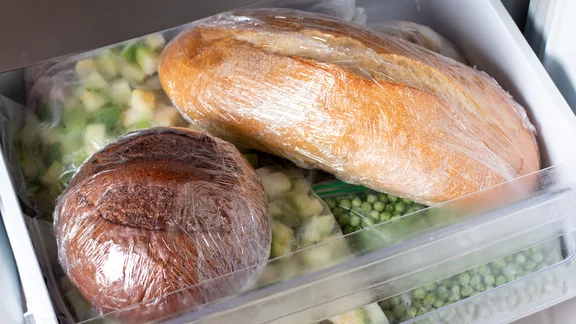 If you wish to put bread or rolls into the freezer, we recommend removing them from the oven five minutes earlier, freeze them while still warm, and only bag them once they are frozen.
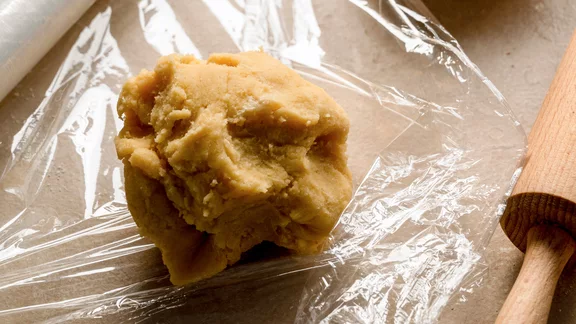 If you would like to prepare your dough a day ahead of baking, you should use cold water and only half of the yeast quantity - regardless of whether you use dry or fresh yeast.

