




 Facebook
Packed with protein, fibre and nutrients, they’re also healthy, not to mention utterly delicious in their many forms. From pecans to pistachios, cashews to walnuts, we give you the lowdown on these crunchy little marvels.

Are nuts gluten free?
Yes! All nuts in their raw, unaltered state are gluten free. It’s only when extra ingredients are introduced that trouble starts. Watch out for nuts seasoned with spices, with candied shells around them, or that come in a mix with other products – not everything in them may be suitable for coeliacs.
Also be alert to cross-contamination issues. Manufacturers sometimes process nuts using the same machinery they use to process gluten ingredients, contaminating them with traces of gluten. Always read the label to check for a gluten-free certification (or contamination warning) and if in doubt contact the producer for more information.
Different types of nuts
One of the things that makes nuts so versatile is that they come in so many varieties. Each type of nut has its own distinct taste, texture and nutritional profile that determines its use and appeal. Here we present our guide to some of the most common.
By the way, you won’t find peanuts on this list because they’re not technically nuts. Instead they’re legumes like peas and beans. To learn more about peanuts and peanut butter on a gluten-free diet, see our article here [https://www.schaer.com/en-int/a/is-peanut-butter-gluten-free]. The same goes for pine nuts, which are seeds from the inside of pine cones.
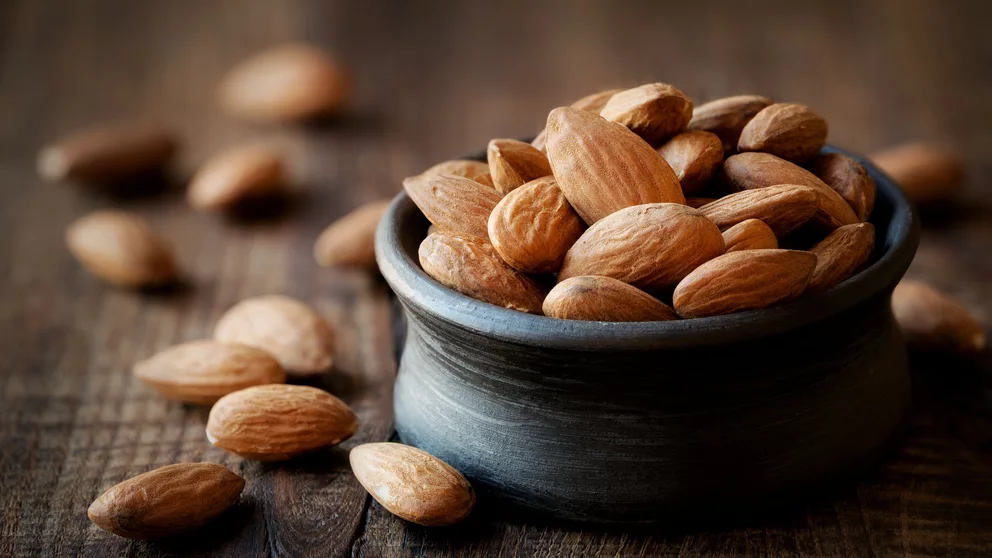
Almonds
Fairly sweet, almonds can be eaten raw or roasted and are versatile enough to be turned into flour, butter and milk. They have the highest calcium content of any nut, as well as plenty of healthy monounsaturated fats, protein and vitamin E. Eat them with the skin on for added nutritional benefit.
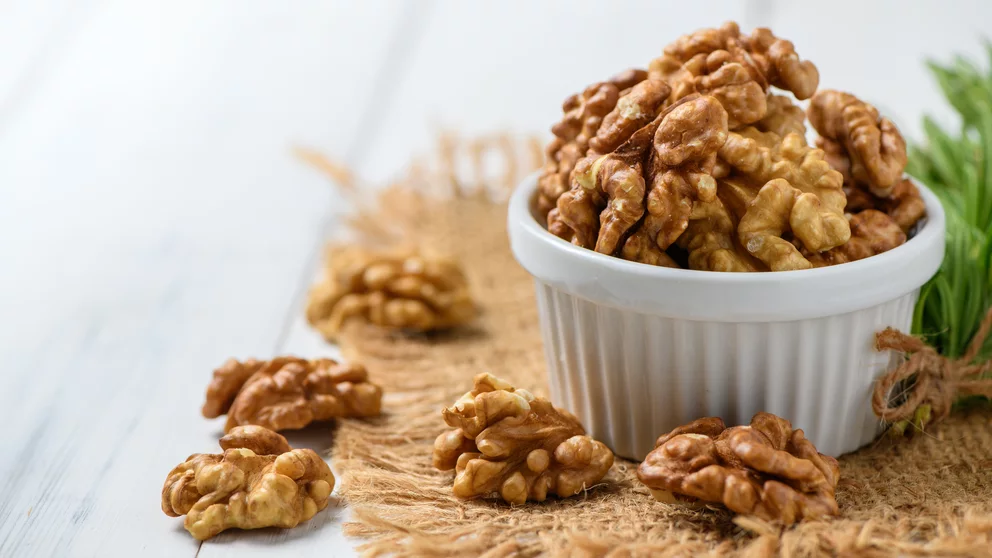
Walnuts
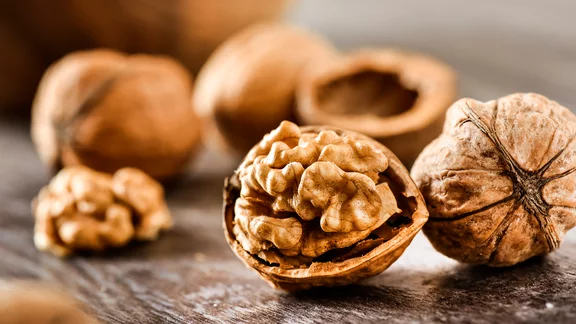
Looking like tiny little brains, walnuts are a smart choice. They have the highest levels of omega-3 fatty acids of any nut. Most people do not get enough of these healthy polyunsaturated fats, which are also found in oily fish. So, if you’re not into salmon or sardines, get into walnuts. They’re also a good source of numerous vitamins and minerals, including vitamins B6 and B9 (folate) and manganese. For more on walnuts see our article here.
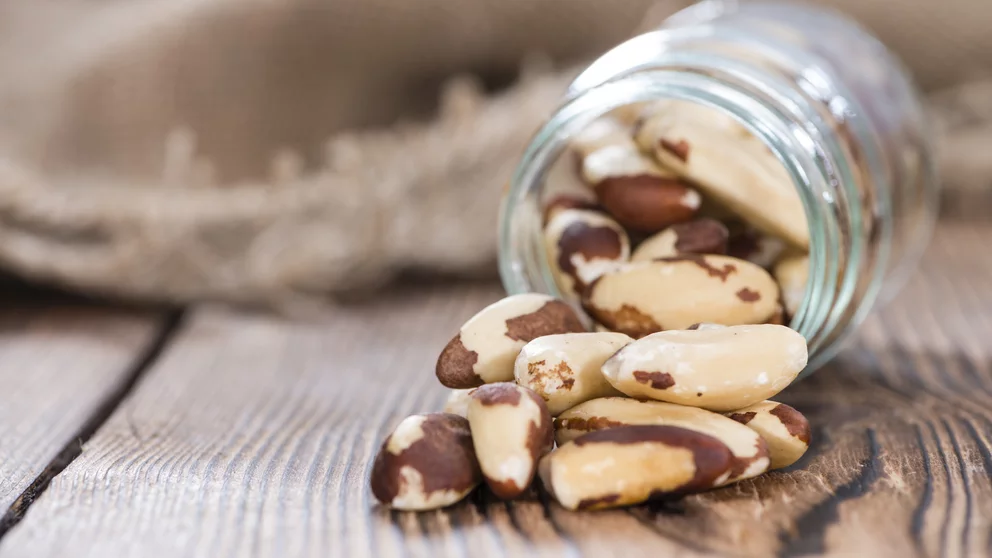
Brazil nuts
These large, kidney-shaped nuts originally come from a type of tree found in the Amazon. They contain large amounts of selenium, a trace mineral important for reproduction, thyroid hormone metabolism, DNA synthesis, and protecting your body from oxidative damage and infection. Just one to three Brazil nuts covers your selenium needs for the day. However, selenium is also toxic in higher doses, so don’t overdo it.
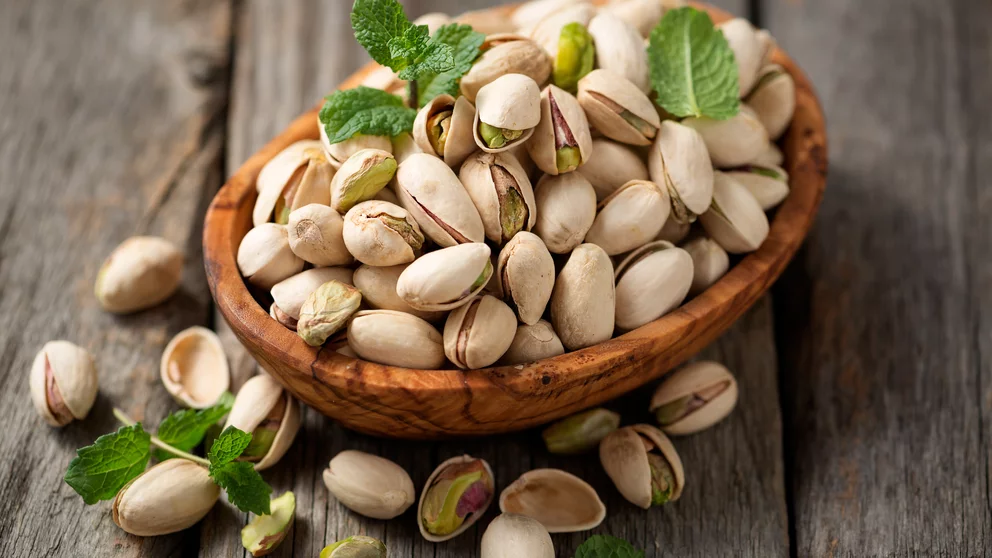
Pistachios
With their striking green colour, pistachios are great as a snack on their own, sprinkled on salads, or as a key element in desserts (they make delicious ice-cream). They contain less fat and fewer calories than many other nuts and are a good source of vitamin B1 (thiamine) and B6.
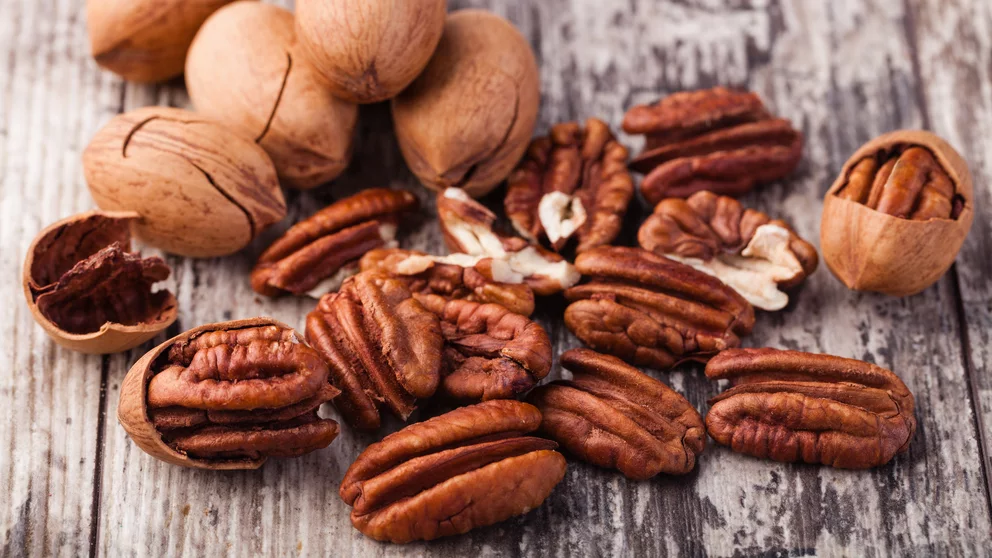
Pecans
Another popular nut in desserts (grab a slice of gluten-free pecan pie), this native North American nut is a good source of fibre, as well as minerals and vitamins such as manganese, magnesium, phosphorus, zinc and vitamin B1 (thiamine).
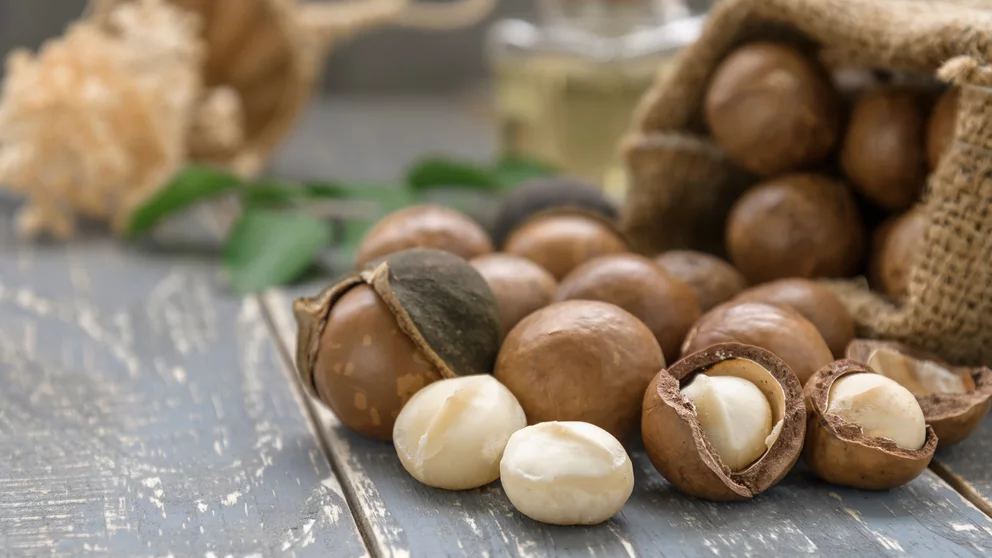
Macadamia
Native to Australia, macadamias are known for their rich butter-like texture and high levels of healthy monounsaturated fats. Great in both sweet and savoury dishes.

Hazelnuts
These nutritious round nuts also boast plenty of monounsaturated fats and are often used to make desserts and other sweet treats, such as chocolate spread. You might find them in your morning muesli too. Most of the world’s hazelnuts come from Italy and Turkey.
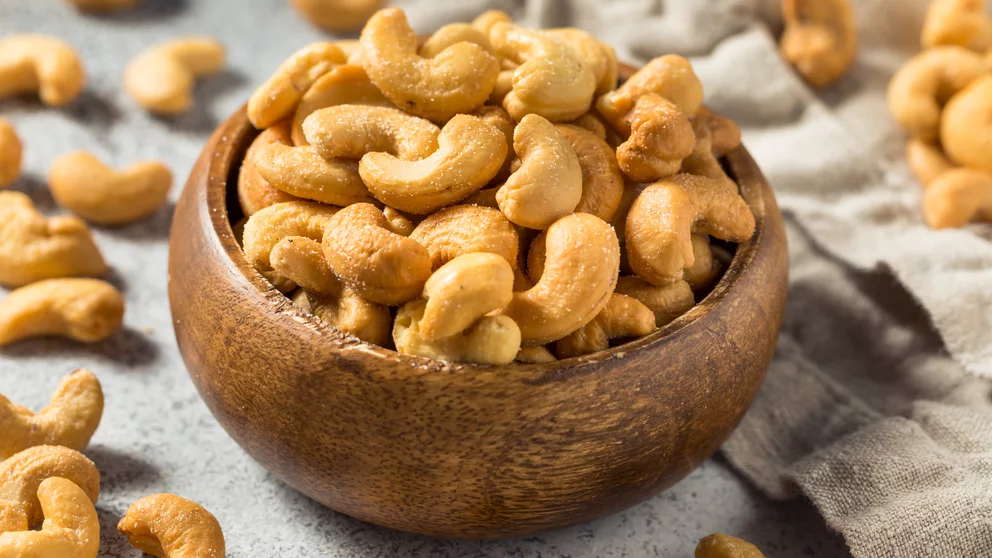
Cashew
Small, light-coloured and kidney-shaped, cashews are great raw or roasted and can also be processed into butter and vegan cheese. They’re another good source of several dietary minerals, including copper, zinc, iron and magnesium.
Health benefits of nuts

Are nuts healthy? Definitely. These tiny nutritional powerhouses are jam-packed with protein, healthy fat, fibre, vitamins and minerals, and make a great addition to any well-balanced gluten-free diet.
Nuts are high in antioxidants that help protect your body from oxidative damage, which is linked to an increased risk of cancer, dementia, strokes and other diseases. Studies have also associated eating nuts with improved cardiovascular health, reduced inflammation and better weight control. Just remember that nuts have a high fat and protein content, so only consume them in limited quantities.
What are the healthiest nuts?

Nuts come in many types, each one with its own nutritional profile and health benefits. So the question of which is the healthiest depends on what you’re looking for.
All nuts are rich sources of ‘good’ unsaturated fats and plant protein, though some contain higher proportions of these than others. Likewise, different nuts contain different combinations and proportions of key vitamins and minerals. As a result each type of nut contributes to health in different ways.
So, what are the best nuts to eat? Answer: they all are. Instead of restricting yourself to just one type, try to enjoy a wide range of nuts – almonds, walnuts, pistachios, cashews… – whether on their own or in a mix, and thus reap all their individual benefits. Just remember not to overdo it!
Other interesting articles