


 Facebook
Almost all children love sweets. Scientific studies show that passion for "sweetness" is innate in humans, and we crave it because the taste we call sweet promises sugars and therefore energy, which is what we need to move, think, build things, or even breathe and sleep.

It’s better to manage than to prohibit
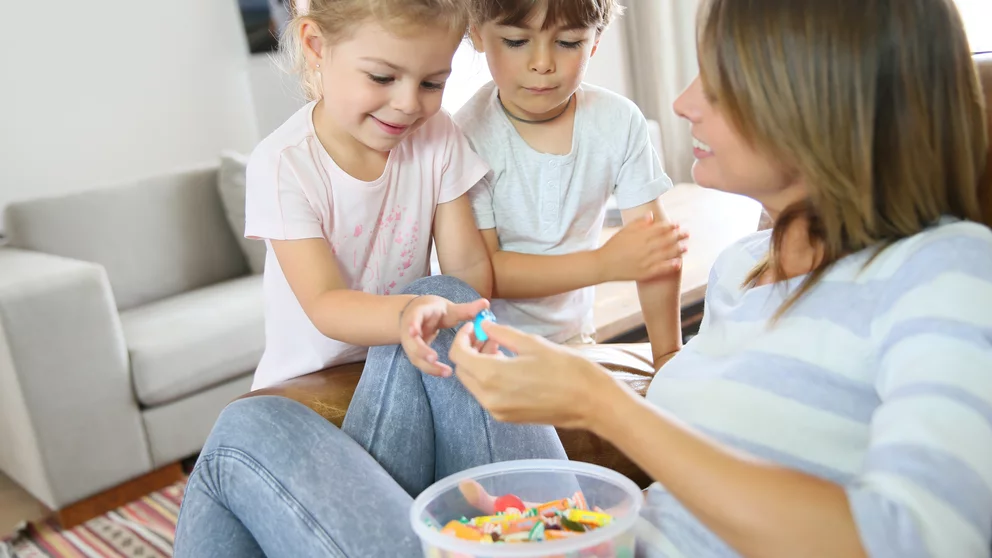
In general, there is nothing wrong with sweets so long as they’re consumed in moderation. Prohibiting sweets for children doesn’t really make any sense: the more they can’t have something, the more they want it. Eventually a prohibition can drive them to eating in secret or at their friends’ house. No need to stigmatise the issue, instead it’s much more productive to teach children that sweets are something special, to have every once in a while.
Gluten-free and glutton-free

A gluten-free diet has plenty of space for sweets and candy. The Deutsche Gesellschaft für Ernährung (German Food Company) writes: "Gluttony, provided that it is within limits, is permitted. However, rules must be respected. Sweets rich in sugar and fat, including sucrose, cannot provide more than 10% of the energy supply. The portion must be reduced as much as possible. Desserts should not be consumed before meals and, under no circumstances, they should replace meals.” Of course, exceptions can be made on birthdays, Christmas, or similar occasions, but the general rules should be followed so that sweets can remain a pleasure for children. All this applies to gluten-free desserts too.
A few sweet tips
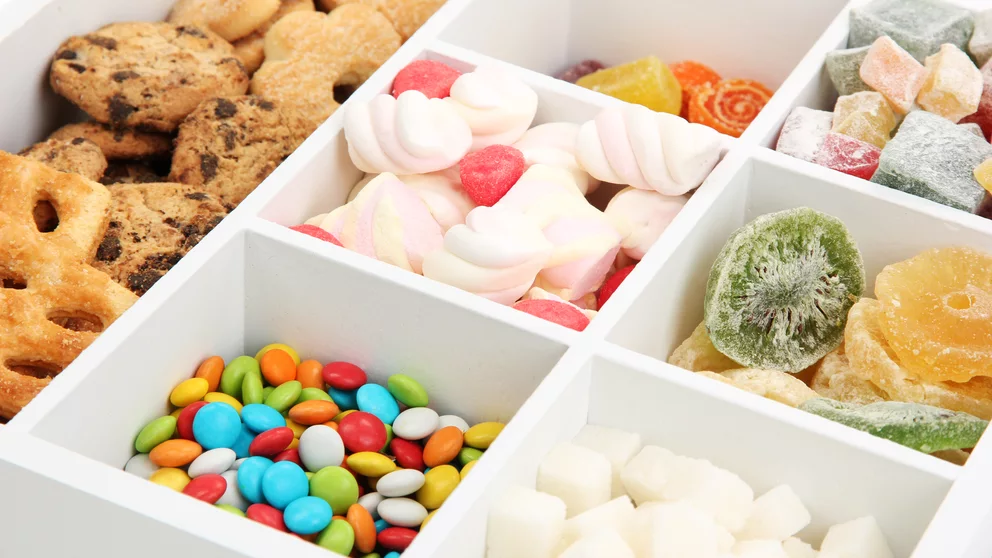
Here are some tips to please the little ones without compromising their well-being and respecting their eating habits.
- A good way to control their intake is to give them the same fixed weekly ration: a certain amount of sweet snacks, split throughout the week.
- Store the sweets in a fixed place, for example in a "candy drawer", which the child can draw from by himself. Always controlling the amounts that go in and out of it.
- Don’t just talk the talk: walk the walk. Limit your own consumption of sweets and give them a good example to follow.
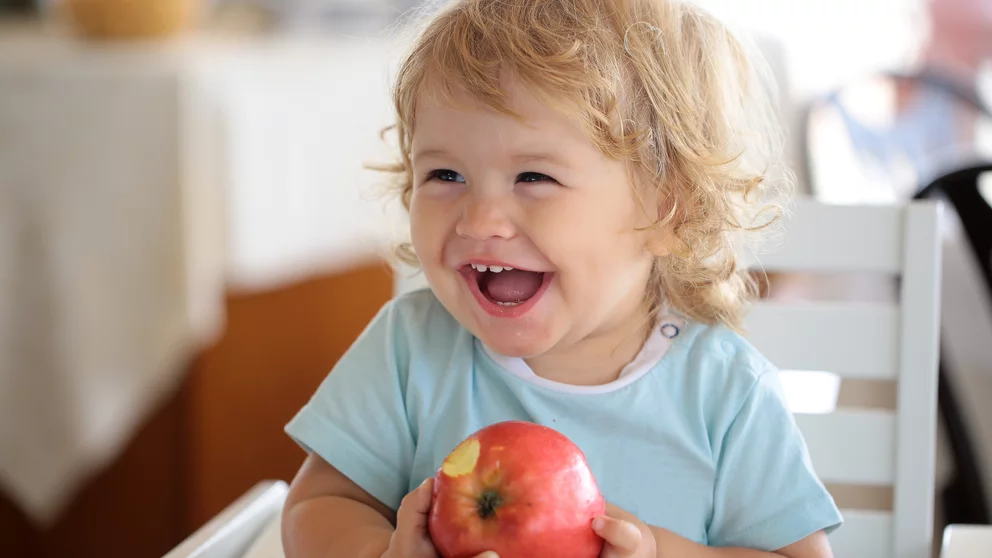
- Adequately and moderately introduce sweets in a diet that includes fruit, vegetables, meat and fish, as well as an active lifestyle.
- Do not use sweets as a reward or their deprivation as a punishment, otherwise kids will overvalue them and start depending on them.
- Limit sugary drinks and sweet drinks containing caffeine: these are also considered "sweets"

- Before going for groceries, agree with your kid on buying a treat that they can eat at any given time of the day. This way they’ll be aware that a treat is coming, and they won’t be constantly asking for it or get grouchy about it.
- Do not use sweets as a meal replacement.
- Do not forget to make them brush his teeth.
These tips are generally valid for the consumption of sweets by adults and children. For celiac children used to certain dietary habits, it will not be difficult to put them into practice even if, being children, they will always find ways to bend the rules for their own benefit. The trick is to know when to bend the rules, and when not to


