




 Facebook
A low carb diet involves cutting out or limiting certain types of high-carbohydrate foods such as bread and pasta, and due to the ingredients typically found within these types of carbs, gluten-free often gets misinterpreted as the same thing. But the two diets are far from being the same. So, does a gluten-free diet mean less carbs? Read on to discover the differences between the diets and what you can eat on each one.

Main differences between the gluten-free and low-carbohydrate diets

Although they both involve restricting certain high-carbohydrate foods, gluten-free and low-carb diets have some important differences.
A gluten-free diet involves avoiding gluten – a protein found in grains such as wheat, barley and rye – in all its forms. It’s essential that people with coeliac disease, wheat allergies and gluten intolerances or sensitivities follow a gluten-free diet in order to avoid the serious health problems that consuming gluten can cause them.
But while a gluten-free diet involves avoiding products containing gluten, it does not prohibit any other forms of food. As long as they are free of gluten, followers are free to eat foods high in carbohydrates, such as fruits, vegetables, and non-gluten grains such as rice and quinoa.
A low-carb diet – such as keto, paleo and Atkin’s – on the other hand, is about limiting all types of carbohydrate. Followers of these kind of diets tend to favour protein-rich foods, healthy fats and non-starchy vegetables as energy sources and avoid high-carb foods such as bread, pasta, fruits and certain veggies. Many people turn to low-carb diets to control their weight, rather than to control a disease, allergy or intolerance like those on gluten-free diets.
How do the two differ from each other?

Gluten-free and low-carb diets are different diets with different goals – a gluten-free diet is about avoiding gluten, while a low-carb diet is about restricting carbohydrates.
Gluten itself is a protein, rather than a carbohydrate. It works as a ‘glue’ that gives structure and texture to products such as breads, pasta and pizza dough. Because these kinds of products also tend to be high in carbohydrates, people often assume that a gluten-free diet is the same as a low-carb diet.
But gluten free is not carb free. Many gluten-free foods contain high amounts of carbohydrates: sweet potatoes, rice, and non-gluten pasta, for example, are all gluten-free foods that are packed full of carbs. Gluten-free carbs are still carbs.
The same goes the other way around: products labelled ‘low-carb’ might, for example, substitute wheat flour for a gluten-free nut flour but may also add gluten in other forms. That’s why it is always important to read the label.
Is gluten-free bread lower in carbs?
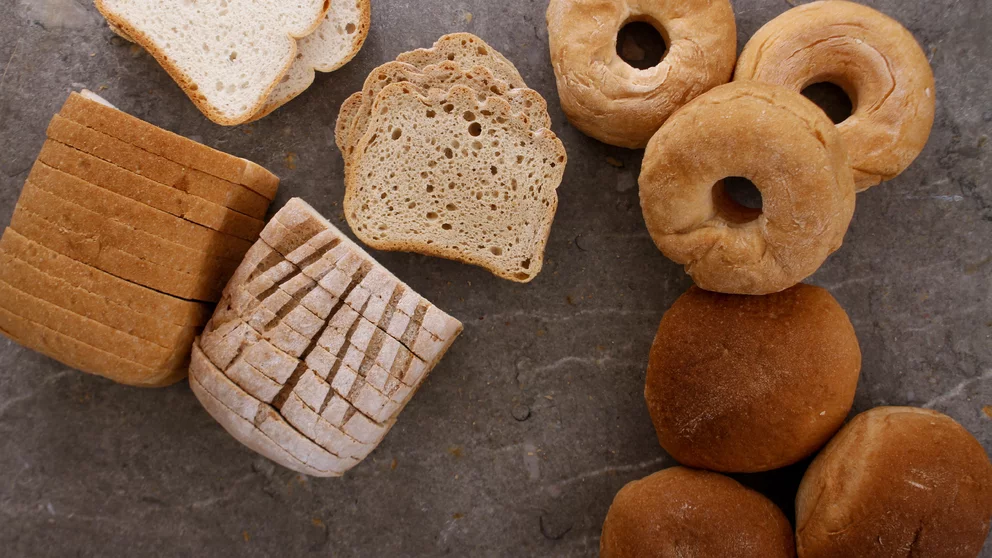
Gluten-free bread is simply bread in which the wheat flour has been swapped out for flour made from a non-gluten source. Favourite wheat flour substitutes include corn, rice, millet and quinoa flour. These all contain carbohydrates – the exact amount can be a bit more or a bit less than wheat flour. Like wheat bread, most gluten-free breads also contain sugars, a form of carbohydrate.
So, is there carb-free bread? It is possible to make and buy bread from low-carb gluten-free flours such as almond, sesame and coconut. However, most gluten-free bread has a carbohydrate-content comparable to normal bread.
And other foods? Is gluten-free pasta low carb? Is gluten-free pizza crust low carb? These are also made from similar non-gluten flours, so again most versions will contain carbohydrates. It’s always advisable to check a product’s nutritional information if you’re worried about your carbohydrate intake.
Related articles


