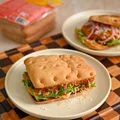
What is a gluten free diet?

Gluten is a type of protein found in certain grains including wheat, barley and rye. A gluten free diet is one where those typical gluten-containing cereals are avoided, as well as eliminating processed foods with ingredients that have gluten in them, such as the flour that might be used to thicken a bottled sauce.  

Because barley, rye and especially wheat are very common ingredients in bakery products and many kinds of processed foods, care is needed to ensure a diet is gluten free.   

But the vast majority of basic foodstuffs are gluten free, including almost all of the healthiest and most wholesome ingredients, from fish and poultry to the whole range of fresh fruit and vegetables. 

Reasons to start a gluten free diet

There are serious conditions where it is important to avoid gluten, in particular coeliac disease or gluten intolerance, or non-coeliac gluten sensitivity. 

Coeliac disease is a lifelong autoimmune condition which the body’s immune system attacks its own tissues when the person eats gluten, affecting the lining of the small intestine. People who have this inherited condition can suffer from a range of different symptoms including stomach pain, tiredness, weight loss and anaemia.  

Currently, the only treatment for people with coeliac disease is to follow a strict, lifelong gluten-free diet.   

It is not clear how strictly someone with non-coeliac gluten sensitivity must stick to a gluten-free diet. It's possible that some people with non-coeliac gluten sensitivity will be able to tolerate small amounts of gluten without feeling unwell. 

How to start a gluten free diet?

The first thing to make sure of when you are switching to a gluten free diet is that you have learned how to identify which foods contain gluten. Some might be obvious, such as bread made with wheat flour. But others can be trickier to spot. 

The easiest way to identify gluten free food is to look for the “gluten free” label and official crossed grain symbol on the package – something you will see on every single Schär product.  

Foods with an allergen warning for wheat may also help you to spot products with gluten, as there is a good chance wheat content will mean gluten is present. This is not a failsafe method, however, as there are gluten-containing ingredients that do not include wheat.  

Away from packaged and processed food, there are some clear and simple basic concepts that will quickly mean that compiling a gluten free diet of recipes is not stressful at all. Essentially, fresh fruit and vegetables are all gluten free, as is fresh fish and fresh meat, as well as eggs and milk. You may find that your gluten free shopping list is not so different to the way it looked previously, and there is no reason at all not to prepare healthy and delicious food for you, and your family too. 


What foods are gluten free?

This is a list of gluten free foods that are gluten free in their pure forms, meaning care is needed only with processed versions.  

  1. Fruits 
  2. Vegetables 
  3. Meat and poultry 
  4. Fish and seafood 
  5. Dairy products 
  6. Oils and Fats 
  7. Beans and legumes 
  8. Nuts and seeds 

Fruit and vegetables  

Are 100% gluten free as long as they are in their original form – simply picked and taken to the store. This might not be the case with produce in processed form, such as frozen vegetables which may have some added flavouring, or canned fruit or vegetables with additives. Checking labelling for any packaged food becomes second nature for people who are going gluten free.  

Meat and poultry 

It’s the same story: the fresh versions sold at the butcher’s counter are generally unadulterated 100% meat, but we need to be careful with anything that has been processed, such as sausages. In packaged meat products, hotdogs and hamburgers can be made with gluten-containing ingredients such as soy sauce, flour or breadcrumbs.  

Fish and seafood  

Are also gluten free in their fresh form, but not necessarily in processed formats. An obvious example could be bread-crumbed fish, but there could be other less obvious ingredients in a packaged fish product or a frozen ready meal.  

Dairy products  

Are also fine, such as milk, as long as it is in a pure form. A bottle of milk is just milk, and gluten free, but a milkshake or a smoothie might not be. Malt flavouring are among the words to look out for especially when it comes to dairy drinks. Likewise, yoghurt, cheese, ice cream and other dairy-based products: check the ingredients and look for allergen warnings and gluten free labels. Pure butter is also fine, and eggs too, meaning baking and pancakes are still on the table with gluten free flours. Look out for Schär recipes for delicious bakery treats and gluten free bread.   

Fats and oils 

Fat and oils are also gluten free, with the only exception being some cooking sprays and oils that contain extra ingredients.  

Sweet foods 

Sugar, honey and many sweetened drinks are also gluten free. But many chocolate snacks and other sweet bites often contain gluten. 

Beans and legumes 

Beans, legumes, nuts and seeds are all naturally gluten free, although you should be careful about processed products that have been flavoured or pre-cooked in sauce. 

Nuts and seeds  

Are also gluten free naturally, but it is still a good idea to check the label to be sure, and the same goes for dried fruits.  

Grains and cereals 

There are a great many grains that are gluten free, including buckwheat, oats, sweetcorn, millet, quinoa, sorghum and rice. But look for guarantees that the product is gluten free as cross-contamination – where gluten accidentally enters the production process – is a common problem.    


What to avoid on a gluten free diet 

Many bread products and biscuits in the supermarket are not gluten free, but increasingly there are options, not least those provided by Schär’s complete range of gluten free food, which also includes pasta and pizza bases, two products where the conventional version does include gluten. 

Processed food in packaged forms must be checked, and care taken with labelling. If a packet does not have the gluten free label, it’s best to look carefully, and read to the end! Many products do not contain gluten, but will warn consumers about the risk of cross-contamination because the factory in which they were processed has other food lines.  

Is a gluten free diet forever? 

For a person with coeliac disease, a gluten free diet is the only treatment currently available, so you should see it as a permanent change to the way you eat.  

For others who have non-coeliac gluten sensitivity, it is not clear how strictly they must stick to a gluten-free diet. It's possible that some people with non-coeliac gluten sensitivity will be able to tolerate small amounts of gluten without feeling unwell.