While a gluten free diet – the only known way to treat coeliac disease and gluten intolerance – can be rich in nutrients and provide all the vitamins and minerals that the body requires, some coeliac patients continue to suffer from certain micronutrient deficiencies.

This can be due to an inadequate recovery of the mucous membrane (mucosa) in the small intestine, which suffers damage from the immune system when coeliac disease is not being treated, or because the person is not following a sufficiently varied diet.  

Which lack of nutrients can indicate coeliac disease?

Micronutrient deficiencies, in particular, iron, folic acid, vitamins B6 and B12, vitamin D, copper, and zinc, are common in undiagnosed coeliac patients. If left untreated, these micronutrient deficiencies can contribute to metrological complications, psychiatric symptoms and bone alterations. According to guidelines published by the American College of Gastroenterology, micronutrient deficiencies are frequent in coeliac patients at the time of diagnosis.  

In fact, such deficiencies may be the best way to detect possible coeliac disease, given that many patients do not display striking external symptoms. A study published in Mayo Clinic Proceedings found folate deficiency in 3.6% of coeliac patients, as compared to 0.3% in the general population. Doctors and dieticians should test newly diagnosed coeliac disease patients for these deficiencies and integrate supplements if needed. 

Iron, magnesium and calcium deficiency in coeliac patients

According to this review of research published in the journal Medicina based on the findings of 73 separate studies found deficiencies in up to 40% of coeliac patients for iron, 20% for folic acid, 25% for vitamin D and 40% for zinc in adults. Up to 3.6% of children were calcium deficient and 20% were magnesium deficient.  

Low bone mineral density is common in people with coeliac disease at diagnosis so ensuring that calcium and vitamin D intakes are sufficient is important. The British Society of Gastroenterology recommends that adults with coeliac disease should have at least 1,000 milligrams (mg) of calcium each day. 

Vitamins D and B12 and coeliac disease

Studies have shown a deficiency present in up to 30% of undiagnosed coeliac patients for vitamin B12 and up to 25% for vitamin D. These deficiencies can persist after diagnosis, so levels of these vitamins, present mainly in meat, fish and dairy products, should be reviewed regularly. 

Can coeliac disease cause vitamin deficiency?

In untreated coeliac disease, the immune system attacks gluten, causing damage to the mucosa or lining of the small intestine. This can lead to malabsorption of nutrients, including vitamins and minerals. In general terms, the mucosa should recover once a person is diagnosed with coeliac disease and stops eating gluten. But some damage may take a long time to reverse.

Reversing nutrition deficiencies on a gluten free diet 

Coeliac patients and people with gluten intolerance, also known as non-coeliac gluten insensitivity, should take care to monitor their intake of micronutrients and how their body is doing in terms of absorbing them. After checking that the patient is following a balanced diet, a dietitian or doctor may recommend a course of supplements.  

In terms of which multivitamin product is best for coeliac patients, as well as the nutrients being supplemented, it is important to check that there are no traces of gluten in the product. It is not unknown for wheat starch to be used in the preparation of vitamin supplements, and this may not be included in the labelling so it is important to seek expert advice on such products. 

Will I have nutrient deficiency with a gluten free diet? 

It is not difficult to include all the important vitamins and minerals in a gluten free diet as a broad range of foods remains on the menu, including fish, meat, eggs and dairy. However, due to malabsorption issues, it may be especially important to pay attention to ensure you are receiving a regular intake of minerals and vitamins through a balanced diet.  

There are 13 essential vitamins, divided into two groups: 

  • fat-soluble vitamins (A, D, E and K)
  • water-soluble vitamins (all B vitamins and vitamin C). 

In a balanced, gluten free diet, the body can store a small reserve of fat-soluble vitamins, so they do not necessarily have to be represented daily in the diet. The water-soluble vitamins cannot be stored in the body, which is why it is important to eat fresh fruit, vegetables, dairy and whole grains daily. 

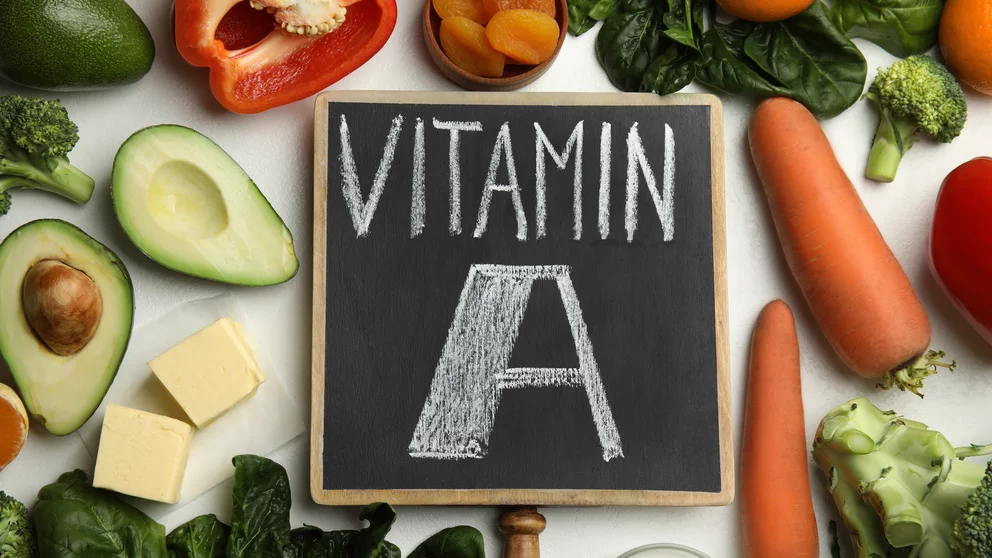
 Vitamin A

  • What is it good for?
    Eyes, growth, fertility; strengthens skin and mucose membranes; important for the immune system
  • What contains it?
    Liver, butter, cheese, eggs. Pre-stages of the vitamin can be found in yellow and orange vegetables and fruit, as well as in kale and spinach, and can be converted to Vitamin A by the body
  • Possible symptoms of a deficiency
    Increased susceptibility to infection, reduced sharpness of vision, dry eyes, dry skin and mucose membrane
  • Diminished or lost through...
    20% through heat and light under the influence of oxygen 

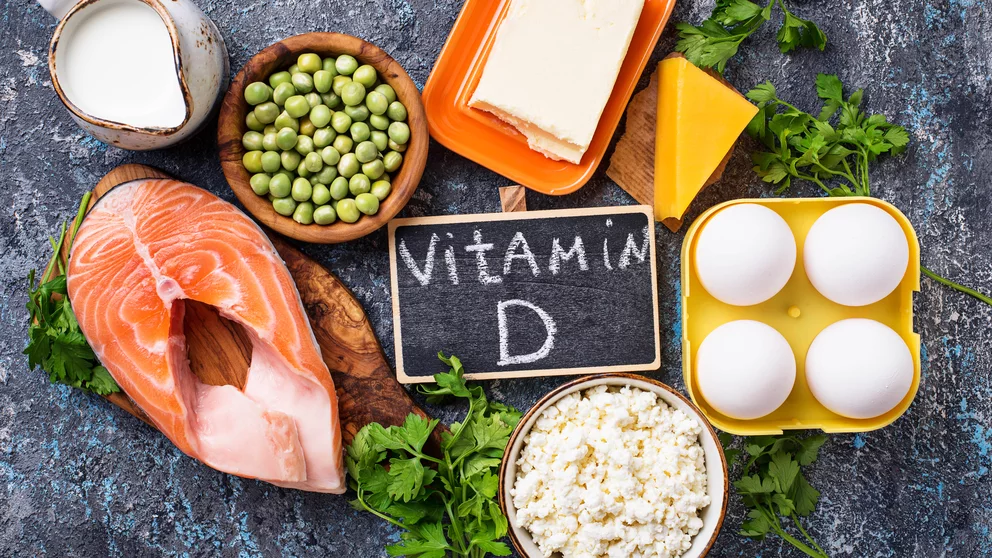
Vitamin D

  • What is it good for?
    Regulates calcium and phosphate. Vital for strong teeth and bones
  • What contains it?
    The body can make the vitamin itself when exposed to sunlight. In oil-rich fish like herring, eel or salmon, mushrooms, egg yolk, some types of cheese and other dairy products
  • Possible symptoms of a deficiency
    Rickets in children (deformation of the bones); osteomalacia in adults (characterised by bone softening); fatigue and increased susceptibility to infections
  • Diminished or lost through...
    10% through exposure to oxygen and light 

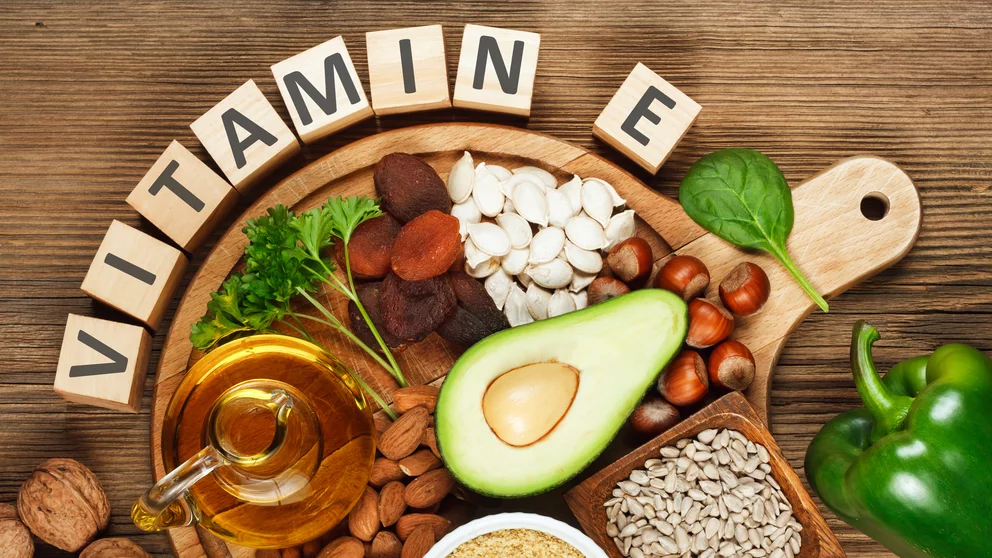
Vitamin E

  • Diminished or lost through...
    10% through exposure to light and heat
  • What is it good for?
    Protects cells and arteries from the adverse effects of damaging substances, so-called free radicals. Strengthens the immune system and reduces inflammation
  • What contains it?
    In vegetable oils, nuts, avocados, green leafy vegetables
  • Possible symptoms of deficiencies
    Disorders of the nervous system, disrupted motor coordination, disrupted vision, concentration disorders
  • Diminished or lost through...
    10% through exposure to light and heat 

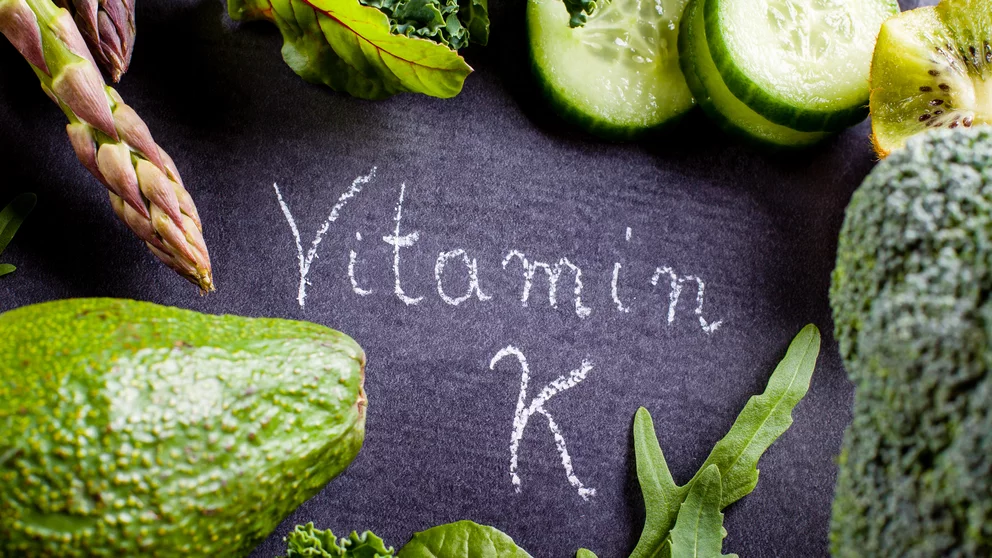
Vitamin K

  • What is it good for? 
    Supports blood coagulation and bone metabolism
  • What contains it?
    In green vegetables, cabbage, pulses, egg yolk, sunflower oil, liver
  • Possible symptoms of deficiency
    Blood coagulation conditions, spontaneous haemorrhaging, in newborn infants this frequently results in cerebral haemorrhaging
  • Diminished or lost through...
    Minimum levels through exposure to light

Water soluble vitamin

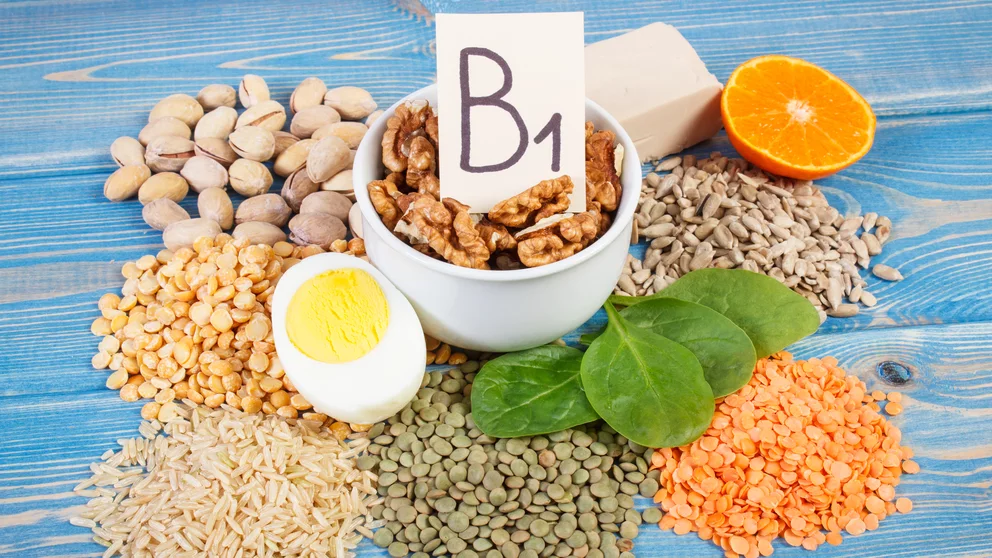
Vitamin B1 (Thiamin)

  • What is it good for? 
    Supports energy metabolism in the cells of the body
  • What contains it?
    Meat (especially pork), offal, wholegrain cereals, pulses, potatoes
  • Possible symptoms of deficiency
    Fatigue, loss of appetite, memory loss and even confusion, oedemata, loss of skeletal muscle, weakened heart muscles
  • Diminished or lost through...
    30% through exposure to heat, light, oxygen and leaching in water

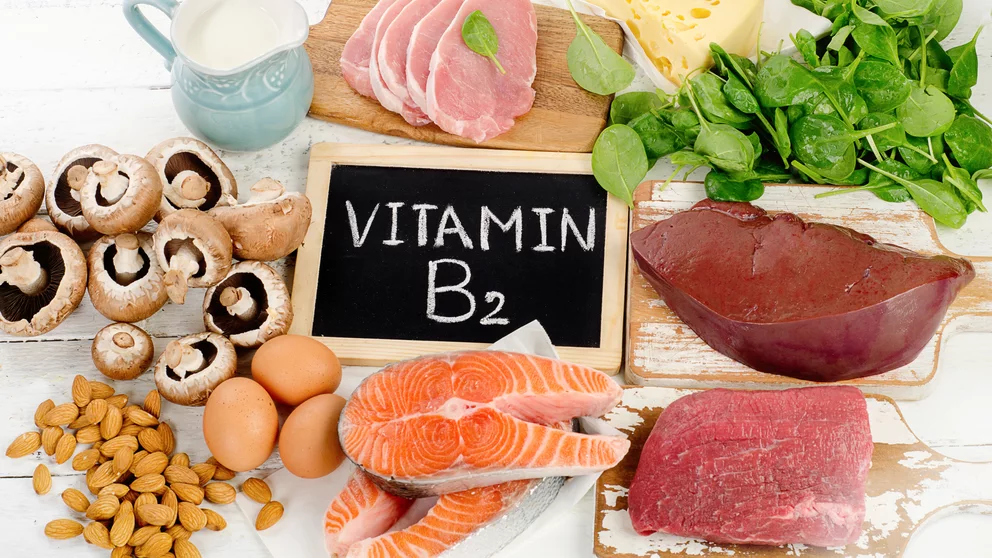
Vitamin B2 (Riboflavin)

  • What is it good for? 
    Part of numerous biochemical processes in all areas of metabolism
  • What contains it?
    Milk, cheese, liver, eggs, meat, fish, vegetables such as asparagus and spinach, various types of cabbage
  • Possible symptoms of deficiency
    Cracks in the corners of the mouth (known as rhagades), inflammation of the oral mucose membrane and of the cornea; probably contributes to the formation of cataracts
  • Diminished or lost through...
    20% through exposure to light

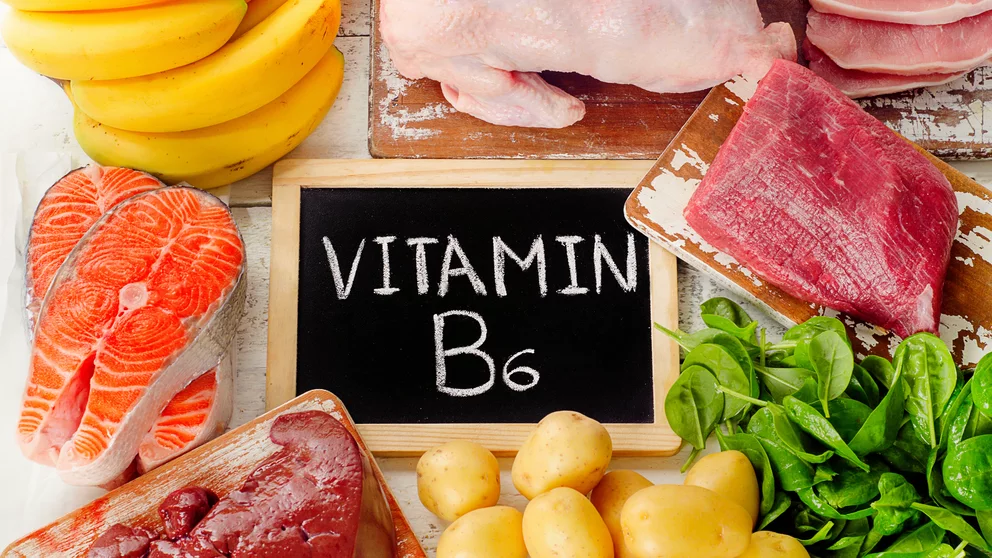
Vitamin B6 (Pyrodoxin)

  • What is it good for? 
    Has an important function in protein metabolism, construction and breakdown of amino acids
  • What contains it?
    In kidneys, liver, meat, fish, nuts, cereals, cabbage, green beans, bananas, avocados
  • Possible symptoms of a deficiency
    Inflammation in the mouth area; changes in the skin, anaemia, numbness in the extremities of the body
  • Diminished or lost through...
    30-45% through leaching; sensitive to light, heat, dryness

Vitamin B12 (Cobalamin)

  • What is it good for? 
    Important role in the formation of red blood cells and influences protein metabolism
  • What contains it?
    In milk, cheese, eggs, fish, liver, kidneys
  • Possible symptoms of a deficiency
    Changes in the blood count (especially anaemia); fatigue; burning mouth syndrome, numbness. Groups at risk of insufficient Vitamin B12 intake are vegans and the elderly
  • Diminished or lost through...
    12% through exposure to heat and leaching in water

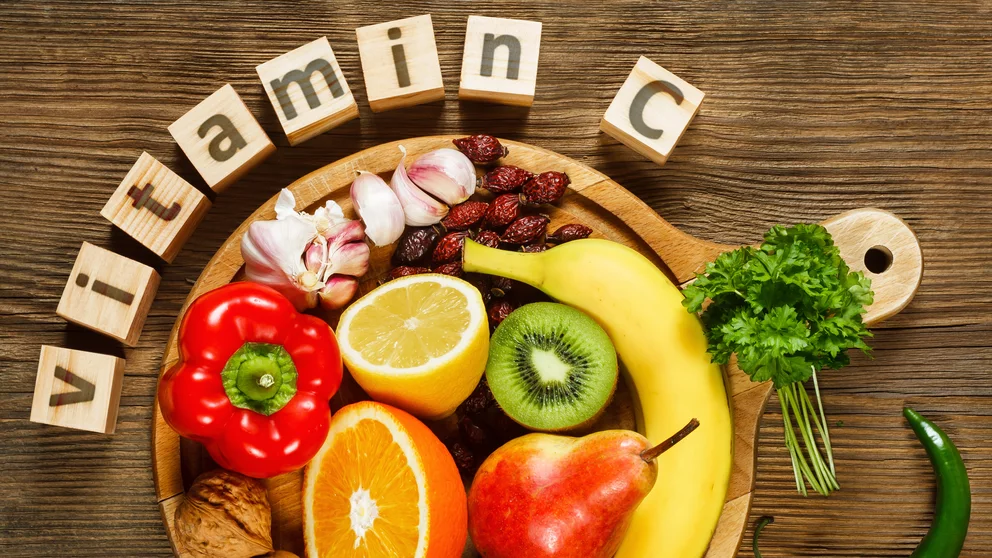
Vitamin C

  • What is it good for? 
    Supports the formation of collagen; important for the immune system; protects the body from exposure to cell-damaging substances, known as free radicals; improves the absorption of iron in the intestine
  • What contains it?
    In acerola cherries, seabuck thorn, rosehip, sweet peppers, kiwis, blackcurrants, redcurrants, broccoli, cabbage, citrus fruits
  • Possible symptoms of a deficiency
    Scurvy - characterised by slow wound repair, bleeding gums and atrophy of the muscles; increased susceptibility to infection
  • Diminished or lost through...
    50% on average through exposure to heat and oxygen, but can also be more

 Biotin (Vitamin B7)

  • What is it good for?
  • Important component of various enzymes, has a number of functions in metabolism
  • What contains it?
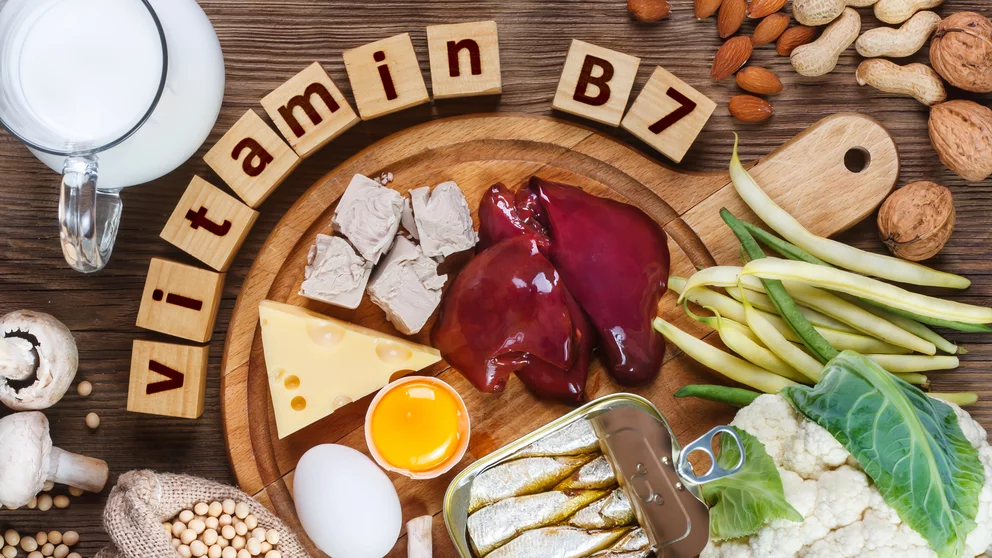
    Liver, egg yolk, soy beans, spinach, nuts, mushrooms, oats
  • Possible symptoms of a deficiency
    Skin eczema and hair loss accompanied by fatigue and nausea; depression, dizziness, distorted awareness of haptic stimuli
  • Diminished or lost through...
    Minimal; almost completely impervious to heat

Folic acid 

  • What is it good for? 
    Important for cell division and growth processes
  • What contains it?
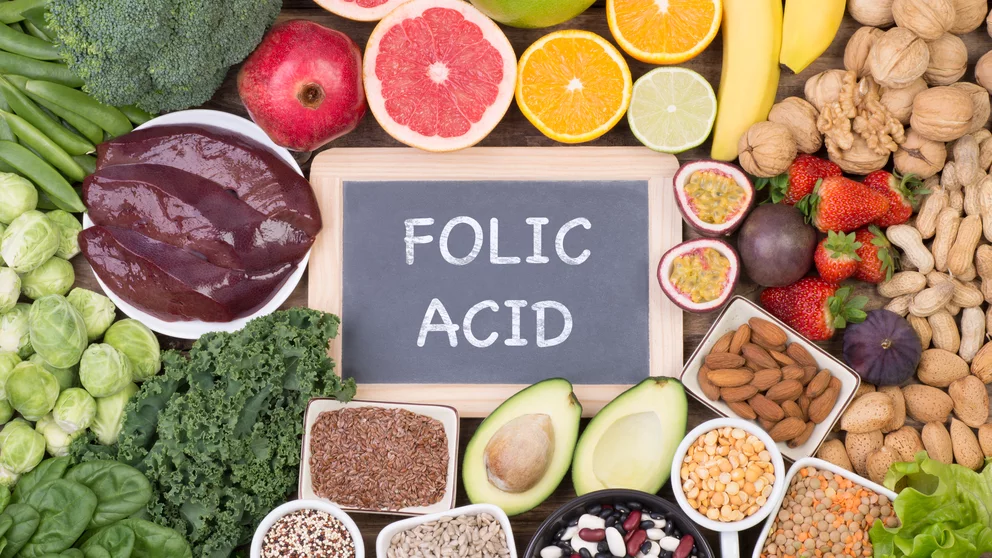
    Liver, asparagus, salad, spinach, tomatoes, egg yolk, wholegrain products
  • Possible symptoms of a deficiency
    Anaemia; promotes arteriosclerosis and dementia. Folic acid deficiencies during pregnancy can lead to malformation of the unborn child.
  • Diminished or lost through...
    30-90% through exposure to heat, oxygen, light and leaching

Niacin Vitamin B3

  • What is it good for? 
    Supports bio-chemical processes for energy supply and for all metabolic processes in the cells
  • What contains it?
    Meat, fish, eggs, milk, peanuts, seeds, offal, wholegrain cereals
  • Possible symptoms of a deficiency
    General weakness, the skin condition pellagra, which is associated with dermatitis, diarrhoea and neurological problems
  • Diminished or lost through...
    10% through leaching in water

 Pantothenic acid Vitamin B5

  • What is it good for? 
    Involved in bio-chemical reactions, e.g. lipid metabolism and carbohydrate metabolism, as well as in the synthesis of cholesterol
  • What contains it?
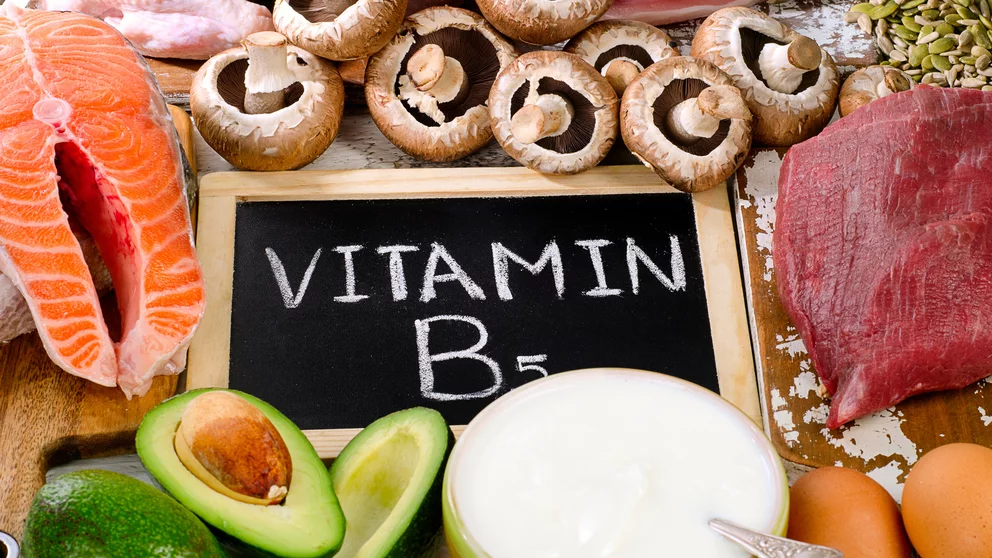
    Meat, fish, liver, egg, milk, cereals, pulses
  • Possible symptoms of a deficiency
    Fatigue, stomach pain, feelings of numbness, tingling or burning in the feet
  • Diminished or lost through...
    30% through exposure to heat and leaching in water