



 Facebook
We’ve put together a list of tips for a gluten free diet and looked at some of the benefits of the gluten free lifestyle.

What are the benefits of following a gluten free lifestyle?

For people with coeliac disease or gluten intolerance, going gluten free means they will see their symptoms disappear, bringing immediate benefits to their health stemming from gluten free eating.
In coeliacs, the lining of the stomach will regenerate and other symptoms such as diarrhoea, weight loss and anaemia should also dissipate, as well as other benefits including improvements in the person’s mood and appetite as the body regulates itself correctly. Children with coeliac disease or gluten intolerance will grow more healthily.
For others who do not suffer from the above conditions, a gluten free lifestyle can also bring benefits. A gluten free diet can be very well balanced, helping a person to feel an energy boost as they eat more healthily and consume fewer fatty processed foods.
How to read gluten free food labels

For anyone following a gluten free diet, learning to read and interpret food labels is super-important and will quickly become a routine.
Some products are certified gluten free and come with the logo of a regulating body that controls such claims, like the Crossed Grain gluten free symbol from the UK Coeliac Society (Coeliac UK) on Schär gluten free products.
But in many cases it will be necessary to check the list of ingredients, looking for signs of wheat, barley and rye, or any of their derivatives. Among the many things to look out for, be careful with oats, which, unless they are guaranteed gluten free, often pose a risk of cross-contamination with a gluten-containing grain. Also, remember that wheat free does not automatically mean gluten free.
When checking for gluten free food labels, it is important to read all the way through as there may be a rider at the end, saying “may contain traces of gluten” or warning of the risk of cross-contamination from being processed in the same plant as gluten-containing products.
How to start and maintain a gluten free lifestyle
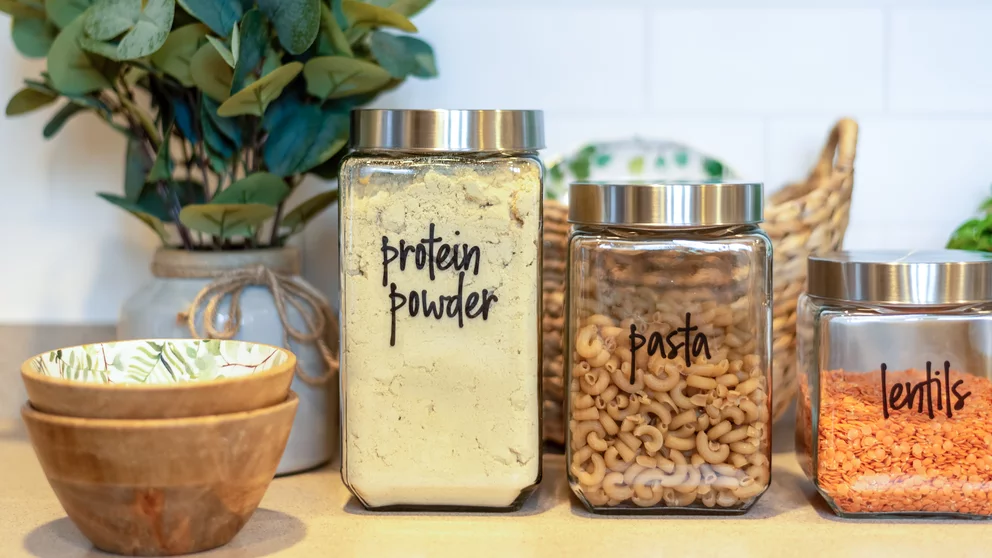
Following a gluten free diet is much easier if you plan carefully – which may require some extra effort, at least at first. If you don’t plan your meals and prepare your shopping list accordingly, you may find yourself buying a lot of gluten free packaged foods, which could put a dent in your budget and is not always the healthiest option as they may contain highly refined grains. You will find that most wholefoods can be eaten on a gluten free diet, from eggs and dairy to meat and fish, as long as they come in a non-processed form.
Another key element of preparation to go gluten free is to gear up your kitchen accordingly. To avoid cross-contamination in your gluten free kitchen you will need to keep foodstuffs contain gluten well apart from gluten free products as well as having separate utensils and learning how to clean mixed-use pots and pans.
Tips for kitchen professionals on how to prepare gluten free food

For chefs, attention to detail is a key quality and this is even more true when it comes to preparing gluten free meals. As well as being quick to learn about and spot ingredients that could be troublesome and learn what the gluten free alternatives are, kitchen professionals must also develop special routines, such as using different food processors for gluten free food to avoid contamination.
Click here for more tips on how to manage gluten free cooking in a professional kitchen.
Gluten free cooking ideas

Schär maintains an online database with hundreds of fabulous gluten free recipes, as well as offering advice on products and ingredients, useful shopping lists, and tips and guidance to fire your gluten free culinary creativity. Continue reading to get started.
What should I do in case my child is allergic to gluten?

If you suspect your child may have a gluten sensitivity, you should discuss it with your doctor or paediatrician. Don’t immediately remove gluten from the child’s diet as the doctor will want to test for coeliac disease, which requires the autoimmune response to gluten to be continuing.
If your child has been diagnosed with coeliac disease or non-coeliac gluten sensitivity (NCGS), the only effective course of action is to follow a strict gluten free diet for children, which will lead to a disappearance of the symptoms.
Frequently asked questions about following a gluten free diet
For more advice on living gluten free, click through to read the answers to some Frequently Asked Questions.
Other interesting articles