


 Facebook
It's back to school time, and that means more time away from home, extra-curricular activities after classes, sports, get-togethers with friends, and so many other activities. A healthy, varied, and balanced gluten-free diet is needed now more than ever to make sure kids get all the energy and support they need for the start of their school year.

Let’s start with a snack
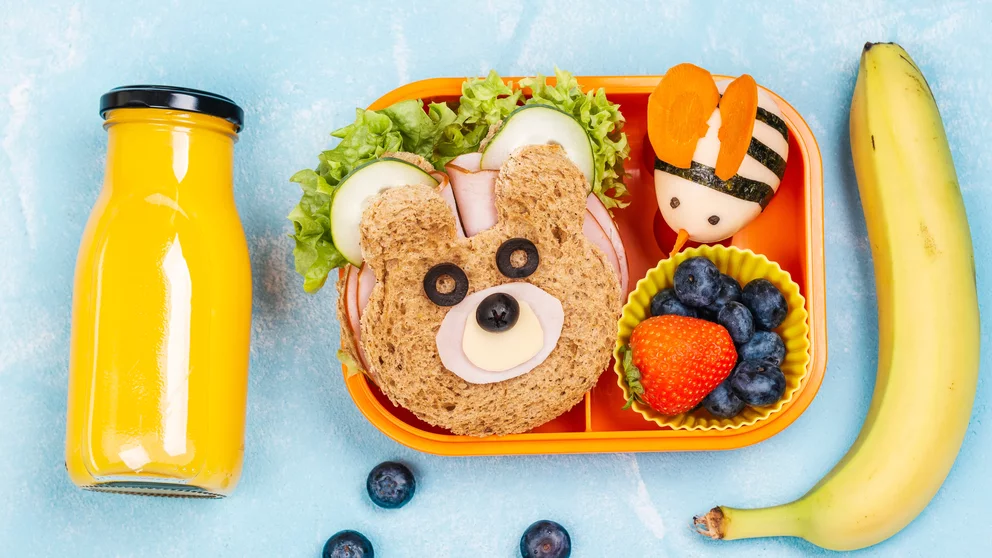
Snacks are a fundamental part of kids’ nutrition. A kid’s “fuel tank” is much smaller than an adult’s, and they burn through their calories faster. Even when they’re just sitting in class, kids are burning through the energy they consumed at breakfast. Once that energy runs out, their ability to concentrate on the lessons and on all their activities will start to fail. That's the perfect time for a “pit-stop”: refueling the mind and body with a healthy, tasty and nutritious snack so they can be at their best for the following hours.
The ideal snack consists of three main ingredients:
- Bread
- Milk or milk derivatives
- Raw vegetables: fruit and/or vegetables
The bread provides carbohydrates, which is pure energy for the body; the calcium, phosphorus, proteins and vitamin D and A in milk and its derivatives are important for their teeth and bones; and fruit and vegetables ensure an important supply of vitamins and minerals. A snack that preferably contains proteins, calcium, vitamins and fiber guarantees a child the right amount of nutrients.
What about sweets and drinks?

Every once in a while, it’s ok for kids to have a sweet snack, like a gluten-free chocolate bar. And rehydration, the replacement of lost liquids, is essential since a lack of fluids easily leads to loss of concentration. Fruit juices are 100% rich in vitamins, to be diluted with water or milk. Of course, water or tea that are not too sweet are also suitable.
Tips for school snacks
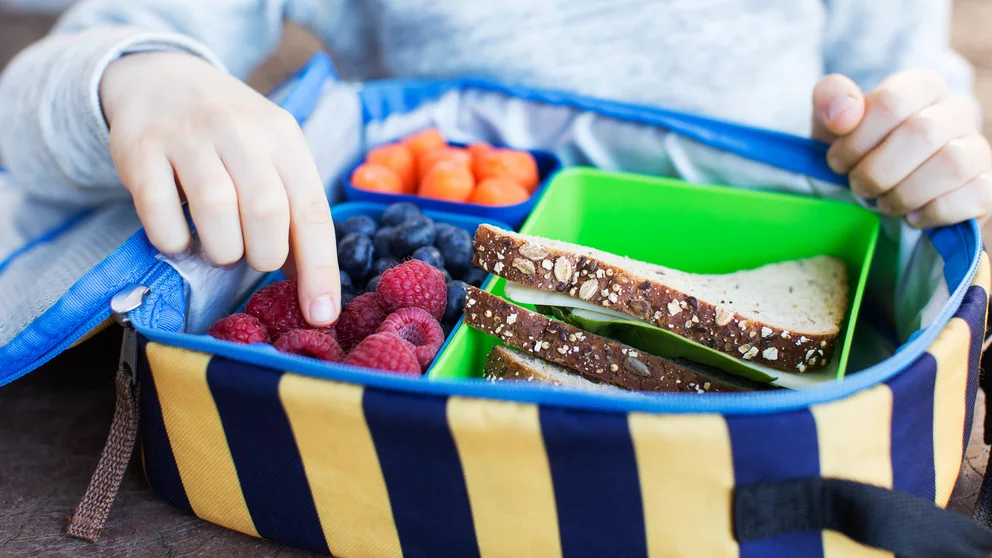
Imagine this: you’re at school, it’s snack time, you unpack the snack you brought from home and… the bread is soggy, the veggies brown, the yogurt all over the place. A nightmare, right? Let’s make sure this doesn’t happen to your kid with some easy-to-follow tips:
- Make sure that the bread does not get wet by placing a salad leaf or a cucumber slice (washed and dried) between the filling and the bread. It will act as a sort of barrier against the humidity.
- To keep fruits and vegetables fresh and vibrant, cut them into small pieces and pour a little lemon juice over them.
- Use practical, resealable containers, and store yogurt and liquids in an additional container for extra safety. Reusable bottles are a great idea as well.
- Last, but not least: balance is key. Pack the right amount of food for your kid. Too little won’t give them enough energy, but too much will slow them down.
A safe lunch at the school’s cafeteria

Not all celiac children bring their lunch from home. Some get their lunch from the school cafeteria. School cafeterias typically have high quality standards and their staff pays close attention to the calorie needs and nutrition of children. Normally they also propose a gluten-free menu for celiac children. The task of parents is to monitor the quality of raw materials and that the meals are prepared correctly.
To help you inform the school about your child's needs and ensure that all of those involved take the necessary measures for his well-being, download the documents you find by clicking on the following links, print them, take them to the school and share them with the school staff.


