




 Facebook
The good news is that natural spices do not have gluten, but depending on how and where they have been packaged, spice products may contain gluten. Check all the info here!

Origin of spices
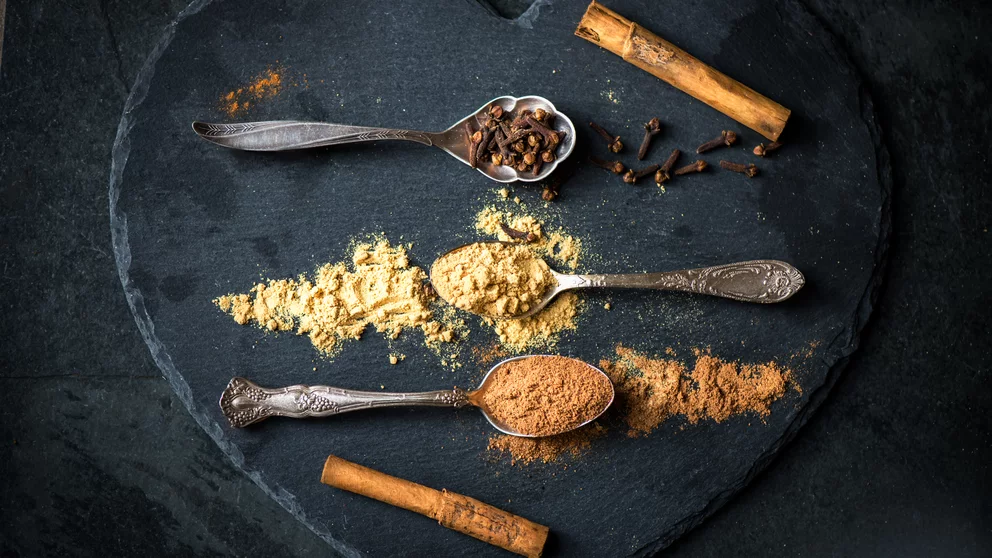
Black pepper, cinnamon, nutmeg, ginger and cumin are among the many spices used in cooking around the world. Many originally come from Asia and different cuisines have typical spices to give traditional dishes their characteristic flavour.
What are spices?
While herbs such as oregano, basil, dill, parsley, rosemary and thyme come from leaves, spices are produced from other parts of a plant, shrub or tree, usually after a process of drying. Some spices are the root of a plant (ginger); others are the seed (nutmeg, cardamom); the bark (cinnamon); bud (clove), berry (peppercorn), fruit (paprika, cayenne pepper); or the flower (saffron).
There are believed to be around 100 types of spices used by cooks around the world. In principle, none contain gluten naturally, but they can be mixed with other ingredients that do. Sometimes spices and herbs are blended and sold as seasonings, which often contain gluten-containing ingredients.
Benefits of spices

Using spices in cooking enhances the taste of food, as well as adding aroma, colours and textures. Some spices also have health benefits as well as great flavour.
Turmeric, the spice that gives South Asian curries their yellow colour. Some believe that it has as anti-inflammatory qualities and may help reduce pain and swelling in arthritis patients. Ginger can alleviate nausea related to pregnancy or other causes such as motion sickness.
Cross-contamination from manufacturing
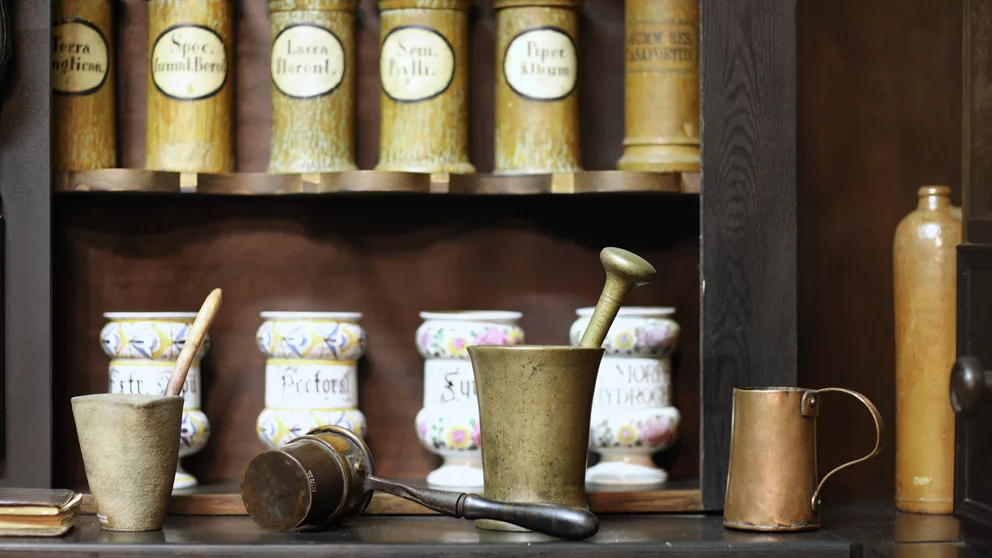
Individual spices do not contain gluten but, because of how and where they are packed, spice products are not automatically gluten free. People following a gluten free diet should know about the importance of cross-contamination, which is what happens when gluten free food comes into contact with food containing gluten or contaminated cooking utensils and surfaces.
If spices are kept in storage or packaged in a factory where wheat products or other gluten-containing food is present, they can be cross-contaminated with gluten.
Testing by the Canadian Food Inspection Agency has demonstrated how packaged spices can often contain gluten, despite not listing any gluten-containing ingredients. The agency tested close to 600 samples of ground herbs and spices in two recent periods, between 2015 and 2016, and again in the 2017-18 period, finding gluten in 25% and 18% of samples respectively.
Recipes with spices
Spices can be used to flavour all kinds of food, and both savoury and sweet dishes. Here are some great recipe ideas using Schär gluten free products:

Tips for buying spices
Due to the risk of gluten contaminating spices in the production or packaging process, which often takes place in developing countries, the safest thing is to choose spices and seasoning blends from companies that have a stated policy of avoiding gluten-containing ingredients. To make sure of a brand's good practices, check its website or call customer service to make sure. Do not buy your spices from bulk bins, as gluten cross-contamination can easily occur between the different products on offer.
Be very careful with mixed seasoning products, such as taco seasoning or curry powders. Some seasonings may contain wheat flour, wheat starch or hydrolyzed wheat protein. These should be stated on the label. Packaged herbs such as oregano powder do not usually contain gluten, but a non-gluten anti-caking agent can sometimes be added.
Here you can find more tips to read labels and useful advice on how to shop gluten free.

Schär is worldwide
Europe
Eastern Europe
USA, Canada and South America
Asia, Africa and other countries
International
