The term ‘FODMAPs’ stands for:

Fermentable
Oligosaccharides
Disaccharides 
Monosaccharides
And
Polyols

A low FODMAP diet is complex and should be followed under the guidance of a dietician. Find out more information on what a low FODMAP diet is here

* Schär do not recommend making any changes to your diet without consulting a healthcare professional. A low FODMAP diet should be followed under the guidance of a registered dietitian.

What effects do FODMAPS have on the body?

FODMAPs have a wide range of effects in the gut. It is necessary to understand the process of digestion and absorption of nutrients from food to understand why these sugars can affect some people.

During healthy digestion, food travels through the digestive system and mixes with digestive juices to break it down. The nutrients from the food are then absorbed by the body and waste products are removed (via stools).

Some FODMAPs are more difficult for everyone’s bodies to breakdown, however they only need to be restricted in some people who experience unpleasant effects after eating them such as abdominal pain and bloating and diarrhoea.

When FODMAPs reach the small intestine, they remain there and attract water. This results in an increased passage of water through the bowel.

As FODMAPs reach the large intestine, they are fermented by bacteria, which results in gas production. This can lead to wind (flatulence), bloating, abdominal pain and diarrhoea.

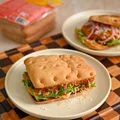
Schär has had a range of their foods tested and certified by Monash University as suitable for a low FODMAP diet.  The product range includes breads, rolls, pizza bases and breadsticks which are available nationwide in many supermarkets. Read more here.